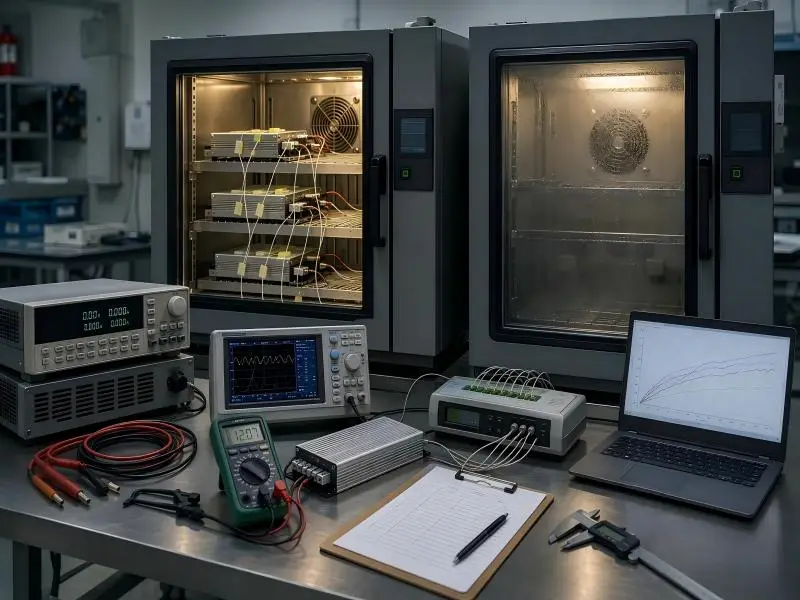
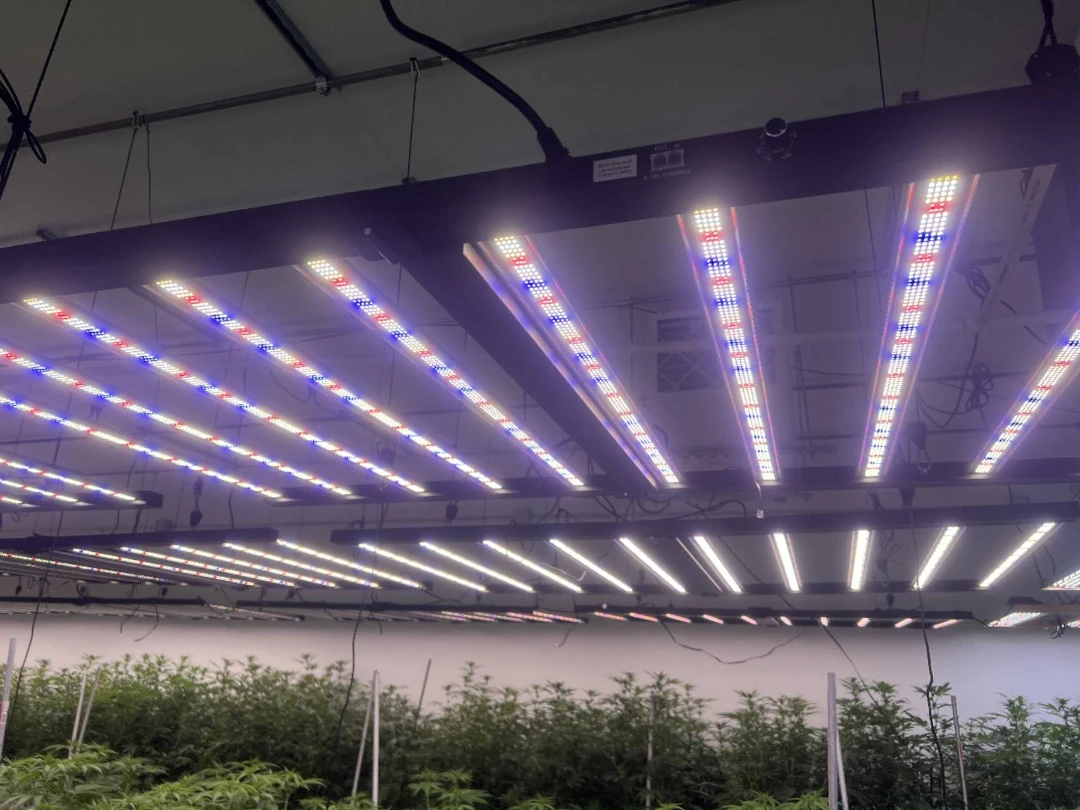
Welcome to the definitive guide on modern horticulture lighting. As the landscape of indoor farming continues to evolve at a breakneck pace, the year 2025 has introduced a new generation of illumination technology that pushes the boundaries of efficiency and yield. For nearly a decade, I have worked in the trenches of LED research, development, and production here at SLTMAKS, witnessing the transition from inefficient “blurple” lights to the sophisticated, high-efficacy full-spectrum fixtures we see today. Choosing the right equipment is no longer just about buying the brightest light; it is about understanding photon dynamics, thermal management, and spectral science.
In this extensive review, we will dissect exactly what constitutes a top rated LED grow lights in the current market. We will move beyond simple wattage numbers to explore the metrics that actually matter to your plants—such as PPFD (Photosynthetic Photon Flux Density), PPE (Photosynthetic Photon Efficacy), and spectral distribution. Whether you are a commercial cultivator looking to maximize grams per watt or a dedicated home grower aiming for the perfect harvest, this guide will provide the technical data, comparative analysis, and industry insights necessary to make an informed decision.
Table of Contents
Defining the “Top Rated” Standard: Key Metrics for 2025

When we label a fixture as one of the top rated LED grow lights, it is not a designation we give lightly. In 2025, a light must excel in three distinct categories: Efficacy, Uniformity, and Longevity. It is easy for a manufacturer to slap a high wattage sticker on a box, but delivering usable photons to the canopy without wasting energy as heat is an engineering challenge. According to the DesignLights Consortium (DLC), the standard for premium efficiency has risen significantly, with top-tier lights now pushing beyond 2.9 µmol/J.
Understanding PPFD and Why It Matters
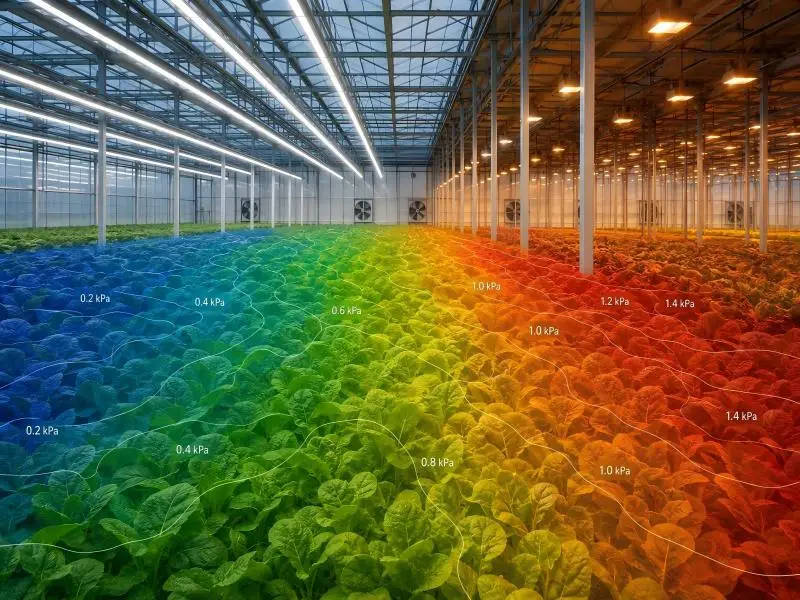
Photosynthetic Photon Flux Density (PPFD) is the measurement of the amount of light (photons) that actually reaches your plant canopy each second. While lumens are for human eyes, PPFD is for plants. A top-rated light must deliver a high PPFD, but more importantly, it must deliver it evenly. A common issue with lower-quality lights is the “hotspot” effect, where the center of the grow tent receives scorching levels of light while the corners remain in shadow.
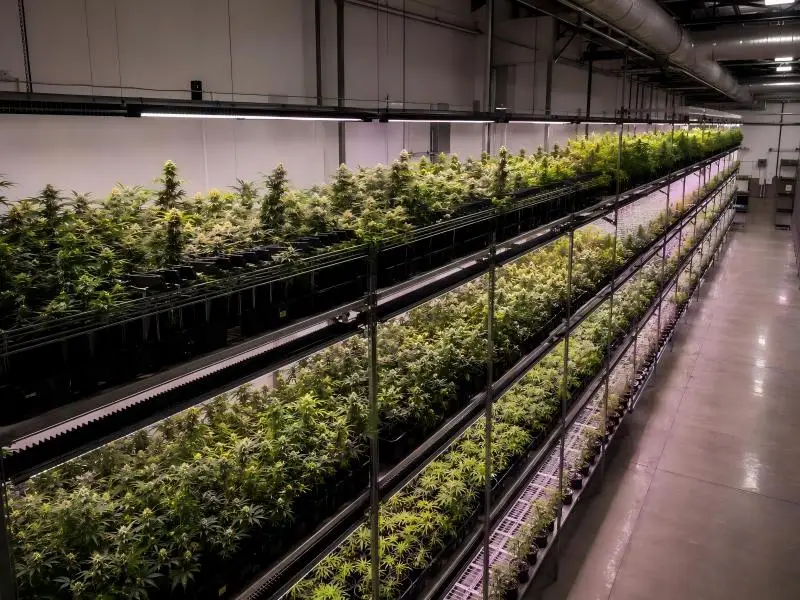
For the 2025 standards, we look for fixtures that provide a uniform “map.” For flowering cannabis or fruiting vegetables, a top-rated light should consistently deliver between 900 to 1100 µmol/m²/s across the entire canopy without requiring the light to be dangerously close to the plants. This ensures that the buds on the periphery grow just as dense as the colas in the center.
The Critical Importance of PPE (Efficacy)
PPE refers to how efficiently a light converts electricity (Joules) into photosynthetic light (micromoles). In the early days of LED tech, a PPE of 2.0 µmol/J was considered excellent. Today, at SLTMAKS, we engineer our premium lines to exceed 2.8 µmol/J, utilizing top-bin diodes like the Samsung LM301H EVO. High efficacy means lower electricity bills and less heat generated per watt of light, which in turn lowers your HVAC cooling costs. This dual-saving mechanism is why investing in a higher-priced, high-efficiency unit often pays for itself within three harvest cycles.
The Evolution of Spectrum: Full Spectrum vs. Targeted Wavelengths
The debate regarding the optimal spectrum has largely been settled in 2025. While early LEDs relied on narrow-band red and blue diodes, top rated LED grow lights now predominantly utilize a “sun-like” full spectrum. This shift occurred because research from institutions like Utah State University’s Crop Physiology Laboratory demonstrated that green light, previously thought to be useless, actually penetrates deeper into the plant canopy, driving photosynthesis in lower leaves.
The Role of UV and IR in Modern Fixtures
While a white full-spectrum base (usually a mix of 3000K and 5000K diodes) is the standard, the absolute best lights in 2025 include dedicated channels for Ultraviolet (UV) and Infrared (IR/Far-Red).
- Ultraviolet (UV): Specifically UV-A, triggers stress responses in plants that can increase the production of trichomes, essential oils, and flavonoids as a defense mechanism.
- Far-Red (730nm): This wavelength is crucial for the “Emerson Effect,” which boosts the rate of photosynthesis when combined with deep red light (660nm). Furthermore, manipulating Far-Red exposure at the end of the day can put plants to sleep faster, effectively shortening the flowering cycle by days or even weeks.
Comparative Spectrum Table
To help you understand the configuration of high-performance lights, we have compiled a comparison of diode arrangements found in top-tier fixtures vs. generic budget models.
| Feature | Top Rated LED Grow Lights (2025 Standard) | Budget/Generic LED Lights | Impact on Growth |
| Main Diodes | Samsung LM301H / LM301B (Horticulture Grade) | Generic Epistar or unbranded SMD | Higher efficacy means more light for less power. |
| Red Spectrum | Osram 660nm V4 or V5 (Hyper Red) | Standard 630nm Red | 660nm is the peak absorption for photosynthesis during flowering. |
| Spectrum Balance | Full Spectrum White (3500K + 5000K mix) | Often too Blue or too Red (“Blurple”) | Full spectrum ensures healthier root development and better morphology. |
| IR/UV Inclusion | Included (Often on separate control channels) | Rarely included | IR boosts bulk; UV boosts potency/aroma. |
Commercial Grade vs. Home Grower Solutions
The requirements for a commercial facility differ vastly from those of a home hobbyist using a 4×4 tent. However, the technology used in commercial sectors is increasingly trickling down to consumer products. At SLTMAKS, we apply the same rigorous R&D to our home-series lights as we do to our industrial multi-bar fixtures.
Top Rated Commercial Fixtures: The Bar-Style Revolution
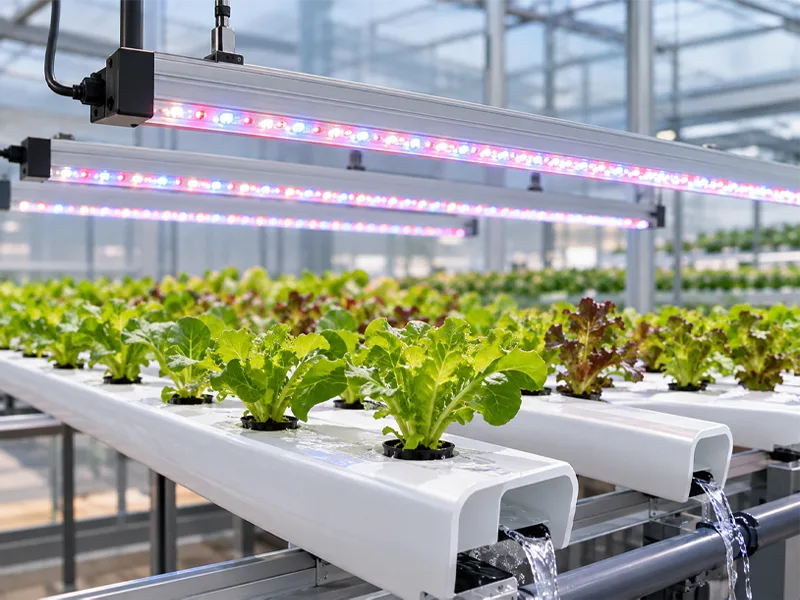
For commercial applications, the “spider” or multi-bar style design is the undisputed king in 2025. These fixtures, often rated between 600W and 1000W, spread the light source over a large physical area. This design allows for passive cooling (no fans to break or make noise) and incredible uniformity.
In a commercial setting, the ability to daisy-chain lights (controlling up to 100 units with one dimmer) is a non-negotiable feature. Top-rated lights in this category must also carry an IP65 water resistance rating, as high humidity and foliar spraying are common in these environments.
Best Solutions for 4×4 and 5×5 Tents
For the home grower, the 4×4 ft (1.2m x 1.2m) tent is the standard footprint. The top rated LED grow lights for this space typically draw between 480W and 650W. Putting a 1000W light in a 4×4 tent is usually overkill and will result in CO2 deficiencies unless you are supplementing heavily.
The trend in 2025 for home growers is “detachable drivers.” This feature allows the grower to mount the power supply (driver) outside the grow tent. By removing the driver—the primary heat source—from the grow space, growers can reduce tent temperatures by 3-5°F, which is critical during summer months.
Thermal Management and Component Reliability

Heat is the enemy of electronics. As an LED diode heats up, its efficiency drops, and its lifespan degrades. This is why the engineering of the heat sink is just as important as the choice of the diode.
Passive vs. Active Cooling
In the past, LED lights used internal fans for cooling. However, fans are mechanical points of failure; if a fan dies, the light overheats and burns out. Today, top rated LED grow lights almost exclusively use passive cooling. This involves heavy aluminum heat sinks with substantial surface area to dissipate heat via convection.
When evaluating a light, look at the weight. A heavier fixture often indicates a more substantial aluminum heat sink, which suggests better thermal management. At SLTMAKS, we utilize 6063 aviation-grade aluminum, ensuring that our junction temperatures remain well below the Samsung recommended maximums, guaranteeing a lifespan of over 50,000 hours (approx. 5-7 years of continuous use).
The Driver: The Heart of the System
While the diodes are the “muscle,” the driver is the “heart.” A top-rated light must use a premium driver, such as those from MeanWell or Inventronics. These drivers offer stable current, surge protection, and high efficiency (often >94%). Generic drivers are the most common cause of fixture failure. When reading reviews for 2025, always verify the brand of the driver used in the fixture. A 5-year warranty is the industry standard for lights using these premium components.
Economic Analysis: ROI of High-End LEDs
Is it worth spending $600 on a top-rated light when a $200 Amazon special claims to do the same job? The answer lies in the data. Let’s break down the Return on Investment (ROI) based on yield and energy consumption.
Lower-quality lights often claim “1000W Equivalent” but actually pull only 150W from the wall. This is deceptive marketing. A true 600W top-rated LED fixture will replace a 1000W HPS (High-Pressure Sodium) light while producing less heat and more light.
Cost of Operation Calculation
- Legacy HPS System: 1000W + 100W (ballast loss) = 1100W total.
- Daily Cost (12 hours @ $0.15/kWh): $1.98 per day.
- Top Rated LED (e.g., SLTMAKS 650W): 650W total.
- Daily Cost (12 hours @ $0.15/kWh): $1.17 per day.
Over a single year, the electricity savings alone amount to approximately $295 per light. Furthermore, because the LED produces significantly less radiant heat, air conditioning costs are typically reduced by 30-50%. When you factor in yield increases—often 1.5g to 2.5g per watt with premium LEDs versus 0.8g per watt with HPS or cheap LEDs—the top-rated fixture pays for itself within the first harvest.
Key Features Checklist for Buyers in 2025
Before you click “buy,” ensure your chosen fixture meets this checklist. This is the criterion we use at SLTMAKS when designing our next-generation products:
- Dimmability: Does it have a knob to adjust from 0-100%? Seedlings need only 25% power; flowering plants need 100%. Without a dimmer, you waste electricity.
- Diode Transparency: Does the manufacturer explicitly state “Samsung LM301H” or “Osram 660nm”? If they just say “Samsung Diodes” without the model number, it is likely an older, less efficient generation.
- Spectrum Control: Can you control the UV/IR separately? This is a “Pro” feature that is becoming standard in high-end reviews.
- Certifications: Look for UL, ETL, or CE certifications. These ensure the light is safe to use in damp environments and won’t cause a fire hazard.
- Warranty: Accept nothing less than 3 years; aim for 5 years.
Installation and Optimization Tips
Owning a top rated LED grow light is only half the battle; using it correctly is the other half. One of the most common mistakes we see at SLTMAKS is growers hanging their powerful LEDs too close to young plants, causing “light burn” (photobleaching).
Hanging Height Recommendations
Because modern LEDs are so intense, they must be hung higher than older technology.
- Seedling Stage: 24-30 inches height at 25-40% power.
- Vegetative Stage: 18-24 inches height at 50-75% power.
- Flowering Stage: 12-18 inches height at 100% power.
It is highly recommended to invest in a basic lux meter or use a smartphone PAR meter app (like Photone) to get a rough idea of your intensity. While not as accurate as a quantum sensor, it helps prevent burning your crop.
The Future of Grow Lighting: Smart Integration
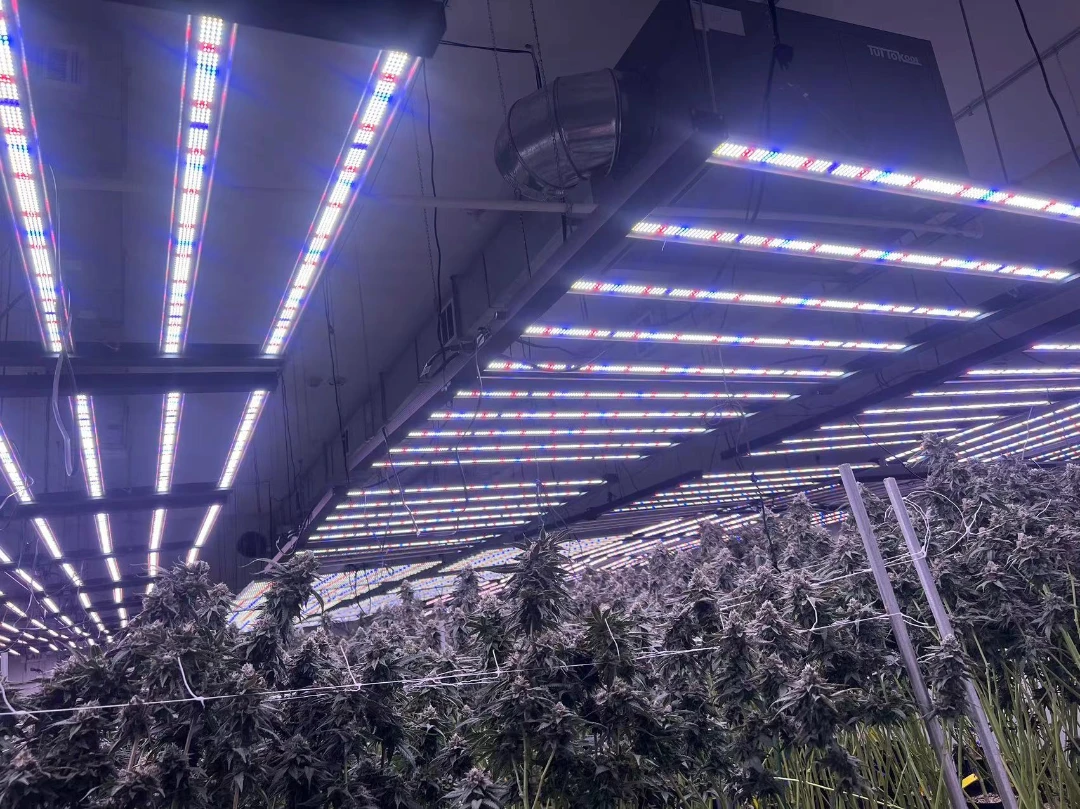
As we look toward the latter half of 2025 and into 2026, the next frontier for top rated LED grow lights is smart integration. We are seeing a rise in controllers that connect via Wi-Fi or Bluetooth, allowing growers to simulate sunrise and sunset (gradual dimming), monitor energy usage in real-time, and adjust spectrums from their smartphones.
At SLTMAKS, our R&D team is currently testing AI-driven lighting recipes that automatically adjust the spectrum based on the plant’s growth stage, detected via camera sensors. This represents the ultimate convergence of technology and biology, ensuring that the light provided is exactly what the plant needs at that specific moment.
Conclusion
The market for horticulture lighting in 2025 is competitive, but the data clearly separates the contenders from the pretenders. A top rated LED grow light is defined by high efficacy (PPE > 2.7 µmol/J), a robust and scientifically backed spectrum (Samsung + Osram combinations), and superior build quality (passive cooling, reliable drivers).
Whether you choose a fixture from our advanced SLTMAKS lineup or another reputable brand, prioritize the metrics discussed in this article: PPFD distribution, spectrum quality, and thermal management. By investing in quality lighting, you are investing directly in the genetic potential of your plants. Higher yields, better terpene profiles, and lower energy costs are not just marketing promises—they are the mathematical result of superior photonics.
Ready to upgrade your grow room? Browse our curated selection of high-performance LED fixtures at www.sltmaks.com and experience the difference that professional-grade lighting makes.
Frequently Asked Questions (FAQ)
Q: Do I really need UV and IR in my LED grow light?
A: While plants can grow with just standard white light, UV and IR are essential for expressing the full genetic potential of the plant. IR helps with cell expansion and flowering speed (Emerson Effect), while UV increases resin and oil production.
Q: What is the lifespan of a top-rated LED grow light?
A: Quality fixtures using Samsung diodes and MeanWell drivers are rated for 50,000+ hours. If you run your lights 12 hours a day, that is over 11 years of use before the light output degrades to 90%.
Q: Can I use “blurple” lights in 2025?
A: You can, but it is not recommended. “Blurple” (Blue/Red only) lights are older technology. They make it difficult to diagnose plant health issues (visual inspection is hard under purple light) and generally have lower efficacy than modern full-spectrum white LEDs.
Q: How do I calculate the correct wattage for my room?
A: A general rule of thumb for 2025 high-efficiency LEDs is 30-40 watts per square foot of canopy for flowering. For a 4×4 tent (16 sq ft), you want between 480W and 640W.