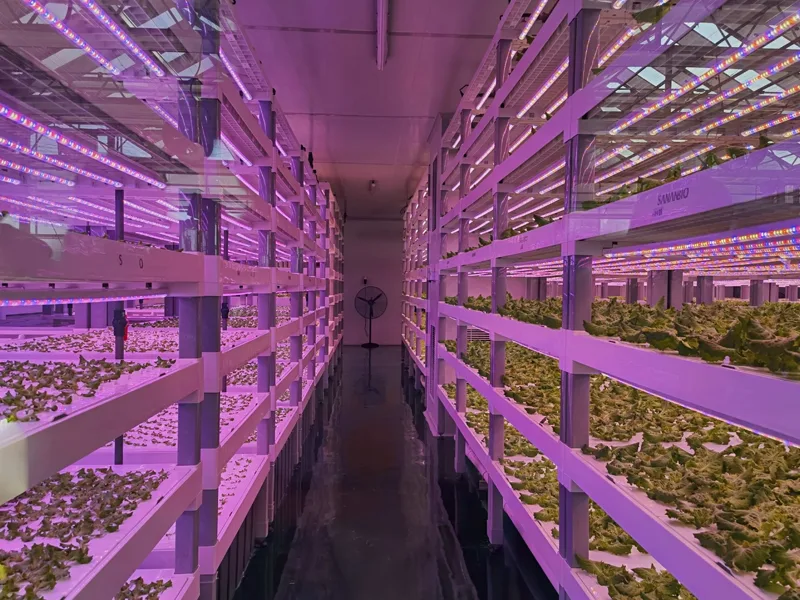
Engineer the perfect light spectrum for optimal plant growth. Boost your yields and cultivate year-round with our energy-efficient LED solutions. Tell us your needs for a customized lighting strategy and quote.
When you type led grow lights for sale into a search engine, you are immediately bombarded with thousands of options. The prices range from suspiciously cheap (under $50) to substantial investments (over $1,000), often for products that look nearly identical in photos. As the Editor-in-Chief of www.sltmaks.com, and having spent years on the factory floor overseeing the R&D and production of LED technology, I can tell you that the difference between a bumper harvest and a failed crop often lies inside the housing of that fixture.
The market is currently flooded with what we in the industry call “landfill lights.” These are fixtures designed to last just long enough to get past the return window, utilizing rejected diodes, dangerous drivers, and deceptive marketing metrics. However, for the serious grower—whether you are a home hobbyist or a commercial cultivator—finding true value means looking past the flashy stickers and understanding the engineering. In this guide, we are going to dismantle the marketing fluff. We will deep dive into the physics, the components, and the crucial metrics you need to analyze to ensure you are buying a tool that will last for years, not months.
Table of Contents
The “Wattage Lie”: Decoding Power Consumption vs. Marketing Hype
One of the most pervasive scams when browsing led grow lights for sale is the inflation of wattage numbers. For decades, growers used High-Pressure Sodium (HPS) lights, and the standard was 1000W. To capture this market, shady LED manufacturers started labeling their 100W fixtures as “1000W Equivalent” or simply “1000W Series,” confusing new growers into thinking they were buying high-power units.
Understanding True Wall Draw
The only power metric that matters is “True Wall Draw”—the actual amount of electricity the unit pulls from your outlet. A fixture labeled “2000W” that only pulls 200 watts from the wall is not a 2000-watt light; it is a 200-watt light with misleading packaging. This deception is dangerous because it leads to under-lit canopies. If you put a “1000W” labeled light that actually draws 150W in a 4×4 grow tent, your plants will starve for photons, leading to airy, popcorn buds and stretched stems. Always scroll down to the technical specifications and look for “Power Consumption” or “Actual Power.” At SLTmaks, we label our lights based on actual draw because transparency is the foundation of trust.
The Efficiency Equation (PPE)
Wattage tells you what you pay the electric company, but it doesn’t tell you what the plants receive. This is where Photosynthetic Photon Efficacy (PPE) comes in, measured in micromoles per joule ($\mu mol/J$). This metric tells you how efficient the fixture is at converting electricity into usable light (photons).
Low End: Older LEDs or cheap “blurple” lights often have a PPE of 0.8 to 1.5 $\mu mol/J$.
Mid-Range: decent generic boards usually sit around 2.1 to 2.3 $\mu mol/J$.
High-End: Top-tier fixtures (like those using premium drivers and binning) achieve 2.7 to 3.0+ $\mu mol/J$.
A 600W light with a high PPE will produce significantly more yield than a 600W light with a low PPE, even though they cost the same to run. When evaluating led grow lights for sale, high efficiency is where the real value lies, paying for itself in electricity savings within the first year. You can verify efficiency standards at the DesignLights Consortium (DLC), an independent organization that verifies LED performance.
The Heart of the Light: Diodes and Drivers
You can have the best chassis design in the world, but an LED fixture is only as good as the sum of its electronic parts. This is where manufacturers cut corners to lower prices. When you see a “bargain” light, 90% of the time, the cost-cutting happened here.
The Diode Difference: Samsung vs. The Rest
In the current market, Samsung diodes (specifically the LM301B and LM301H series) are the gold standard for full-spectrum horticulture lighting. They offer the highest photon output per watt and excellent longevity. However, not all “Samsung” lights are created equal.
Top Binning: Samsung grades their diodes. “Top Bin” diodes are the brightest and most efficient of the batch. Premium manufacturers pay extra for these.
Lower Bins: Cheaper manufacturers buy the lower bins—diodes that are technically Samsung but perform 5-10% worse.
Counterfeits: There are millions of fake diodes on the market that look identical to Samsung chips but burn out after 2000 hours.
If a vendor claims to use Samsung LM301H diodes but is selling the light for $100, the math doesn’t add up. Real engineering costs money. Furthermore, many high-quality fixtures now incorporate Osram or Cree diodes for the red (660nm) spectrum, which boosts flowering efficiency.
The Driver: The Unsung Hero
The LED driver is the engine that regulates power to the diodes. It is also the component most likely to fail. Top-tier brands use drivers from reputable companies like Mean Well or Inventronics. These drivers have massive surge protection, high thermal tolerance, and long lifespans (often rated for 50,000+ hours).
Cheap led grow lights for sale often use unbranded, plastic-cased drivers. These generic drivers generate excess heat, have poor efficiency (wasting power as heat rather than light), and often cause the light to flicker—a phenomenon that is invisible to the human eye but stresses plants and reduces photosynthesis.
Thermal Management Systems
Heat is the enemy of electronics. As LED diodes heat up, their output drops (a phenomenon called thermal droop) and their lifespan shortens.
Thick Aluminum Heatsinks: Quality lights use heavy, finned aluminum sinks to passively dissipate heat.
Active Cooling (Fans): While fans can keep a light cool, they are a failure point. If the fan dies, the light overheats and fails. Passive cooling is generally preferred for commercial longevity.
PCB Board Thickness: A thicker Printed Circuit Board (PCB) conducts heat away from the diode faster. Budget manufacturers use paper-thin PCBs, causing diodes to turn brown and fail prematurely.
Spectrum Science: Why “Full Spectrum” Isn’t Just a Buzzword
Years ago, the industry was dominated by “blurple” lights (red and blue diodes only). While plants do absorb red and blue heavily, science has proven that a Full Spectrum—mimicking the sun—is superior for plant health, terpene production, and morphology.
The Importance of Green and Yellow Light
Early research suggested plants didn’t use green light. We now know that while red and blue drive photosynthesis on the leaf surface, green light penetrates deeper into the canopy, driving photosynthesis in lower leaves that would otherwise die off. A true full-spectrum light appears white to the human eye (usually 3000K to 5000K color temperature) and allows you to spot nutrient deficiencies or pests easily, something that was impossible under purple lights.
The 660nm Red and 730nm Far-Red Boost
When browsing led grow lights for sale, look for fixtures that include specific peaks in the spectrum:
660nm Deep Red: This wavelength is the most efficient at driving photosynthesis (specifically the Emerson Effect) and is critical for the flowering stage.
730nm Far-Red: This wavelength signals to the plant that it is in the shade or that the sun is setting. Used correctly, it can accelerate the flowering cycle and increase leaf size.
UV (Ultraviolet): Some high-end fixtures include UV diodes. UV stresses the plant slightly, causing it to produce more trichomes (protective oils) as a “sunscreen,” resulting in more potent crops.
Spectrum Type
Color Appearance
Best Use Case
Efficiency
Blurple (Red/Blue)
Purple/Pink
Vegetative Stage (Old Tech)
Low
3000K White
Warm White
Flowering Stage
High
5000K White
Cool White
Vegetative / Seedlings
High
Full Spectrum + 660nm
Sunlight White
Full Cycle (Seed to Harvest)
Very High
Understanding PPFD Maps: The Truth About Coverage
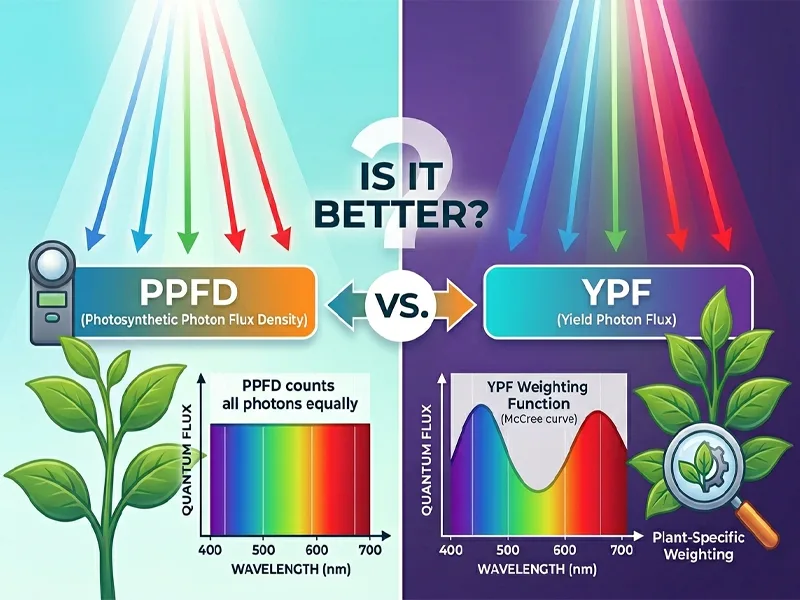
One of the most critical skills for a buyer is reading a PPFD (Photosynthetic Photon Flux Density) map. This map shows the intensity of light hitting the canopy at various points in a grid, measured in μmol/m2/s.
The “Center Hotspot” Trick
Many deceptive sellers optimize their lights to have a massive spike of intensity in the dead center of the map (e.g., 2000 μmol/s). They advertise this high number to sell the light. However, the edges of the map might drop to 200 μmol/s. This results in one burnt plant in the middle and four stunted plants on the perimeter.
A high-quality fixture provides Uniformity. You want a light that spreads energy evenly. For a 4×4 tent during flowering, you want average PPFD readings between 800 and 1000 across the entire canopy, not just the center.
Required Light Levels by Stage
When selecting led grow lights for sale, ensure they can provide the necessary intensity for your specific growth stage.
Seedlings/Clones: 200-400 μmol/m2/s
Vegetative Growth: 400-600 μmol/m2/s
Flowering: 800-1000+ μmol/m2/s (CO2 supplementation is recommended if going above 1000).
This is why dimming capabilities are non-negotiable. You need a light that can be turned down for seedlings to save electricity and prevent light burn, then cranked up for the bloom phase.
Durability and Environment: Can It Survive the Grow Room?
A grow room is a hostile environment for electronics. High humidity, heat, potential water splashes, and chemical residues (from foliar sprays) can destroy unprotected equipment.
IP Ratings Explained
You will often see “IP65” or “IP54” on listing specifications.
IP stands for Ingress Protection.
The first number refers to dust protection (6 is dust-tight).
The second number refers to water protection (5 means protected against water jets).
A light with a rating of IP65 is waterproof enough to be sprayed down with a hose for cleaning (though we recommend wiping). Cheap lights often have exposed electronics or non-coated diodes. High humidity causes corrosion on these connections, leading to failure within months. At SLTmaks, we ensure our fixtures carry appropriate IP ratings because we know growers need to clean their equipment between cycles to prevent pest transfer.
Certification Marks (UL, ETL, CE)
Safety should never be compromised. Cheap imports often lack safety certifications. This poses a fire risk and can void your home insurance policy if a fire occurs.
Look for ETL or UL listings. These marks mean the fixture has been tested by independent laboratories to meet rigorous safety standards. It ensures the wiring won’t melt, the grounding is correct, and the casing won’t become electrified. For commercial facilities, these certifications are legally required, but home growers should demand them too. You can learn more about these safety standards at UL Solutions.
The Economics of Buying: Price vs. Cost of Ownership
It is tempting to buy the $200 light instead of the $500 light. However, let’s look at the math over a 3-year period (typical warranty period).
Electricity: To get the same amount of yield-producing light (photons) as the Premium light, the Cheap light would actually need to run at higher wattages or you would need more of them.
Heat (HVAC): The Cheap light is less efficient, meaning it turns more electricity into heat. You now have to pay extra to run your air conditioner to cool the room.
Yield: The Premium light produces 30-40% more light output for the same electricity. If you are growing high-value crops, a 30% increase in yield can mean hundreds or thousands of dollars per harvest.
In almost every scenario, the “expensive” light pays for the price difference within the first two harvest cycles through energy savings and increased yield. When you see led grow lights for sale, calculate the ROI, not just the checkout price.
Form Factor: Bar Styles vs. Quantum Boards
The shape of the light matters just as much as the power.
Quantum Boards
These are flat, board-style lights. They are excellent for smaller spaces (like 2×2 or 3×3 tents). They are usually cheaper to manufacture. However, in larger tents, they tend to create a hotspot in the center and lower light levels on the edges.
Bar Style (Spider) Lights
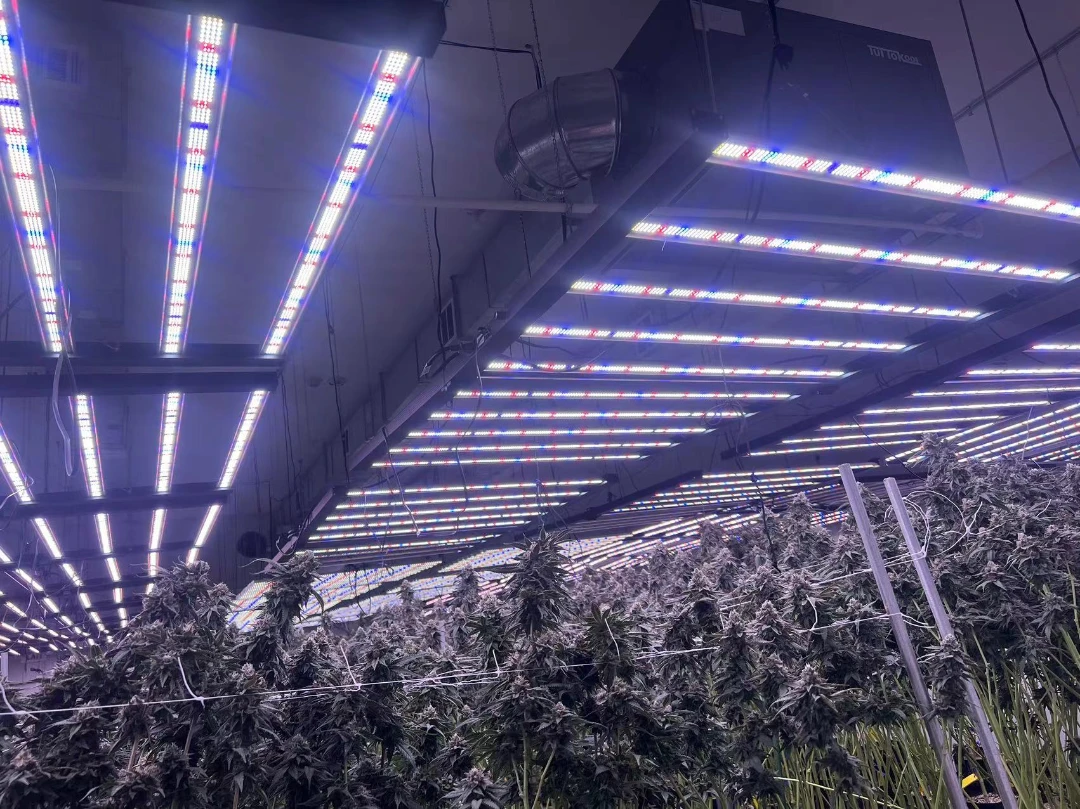
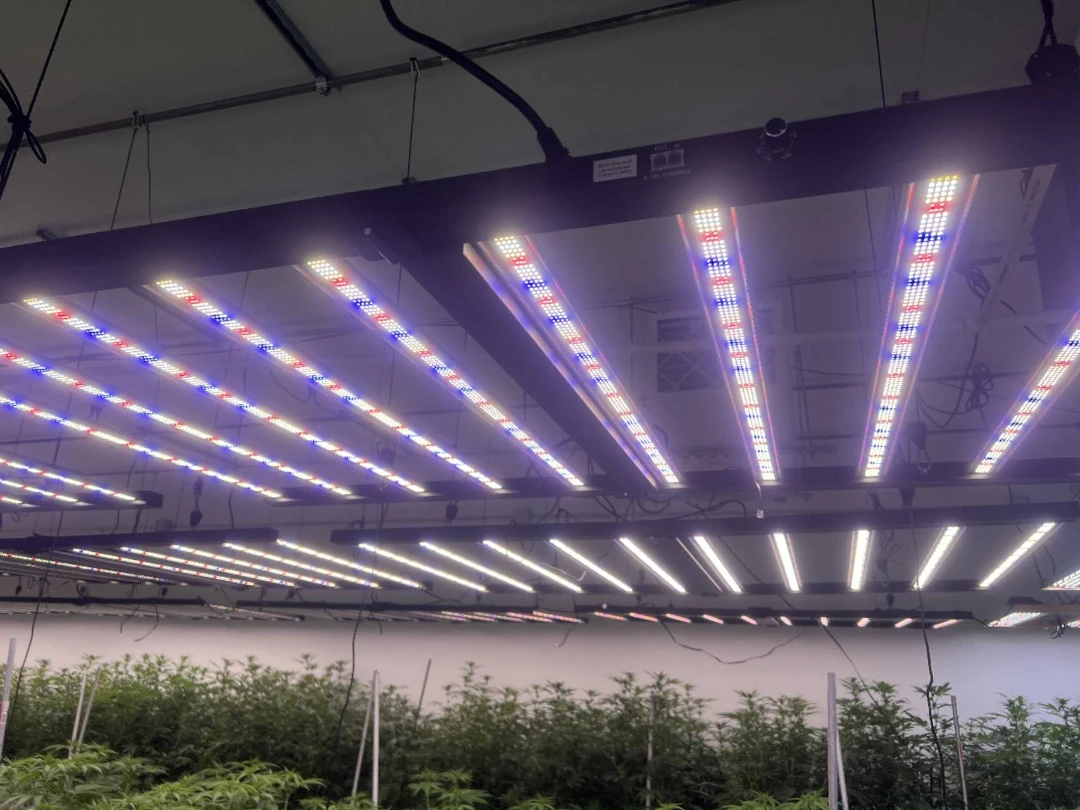
This design has become the industry standard for 4×4 and 5×5 spaces. Several LED bars are spaced out across a frame.
Advantages: This spreads the light out physically, ensuring the edges of the tent get almost as much light as the center. It also allows for better passive cooling as air can flow between the bars.
Canopy Penetration: Because light hits the plants from multiple angles (from different bars), it penetrates deeper into the bush than a single central light source.
For any serious flowering setup over 9 square feet, bar-style lights are superior.
Key Questions to Ask Before You Buy
Before you click “Add to Cart” on any website offering led grow lights for sale, ask the vendor these questions. Their answers will reveal if they are a legitimate manufacturer or just a drop-shipper.
“Do you have an IES file available?”
An IES file is a digital data file that simulates how the light spreads. Professional manufacturers always have these.
“What specific bin are the Samsung diodes?”
If they don’t know what “bin” means, run away.
“Is the warranty handled domestically or do I have to ship it to China?”
Shipping a heavy light back to China costs more than the light itself. At SLTmaks, we prioritize clear warranty terms.
“What is the thermal decay rate of this fixture?”
A quality light should retain 90% of its brightness for at least 36,000 hours (L90 rating).
The SLTmaks Commitment
Navigating the world of horticultural lighting is complex. As an editor and a veteran in this field, my goal is to ensure you have the tools to succeed. At www.sltmaks.com, we don’t just put led grow lights for sale; we provide lighting solutions engineered with the precise balance of spectrum, intensity, and durability.
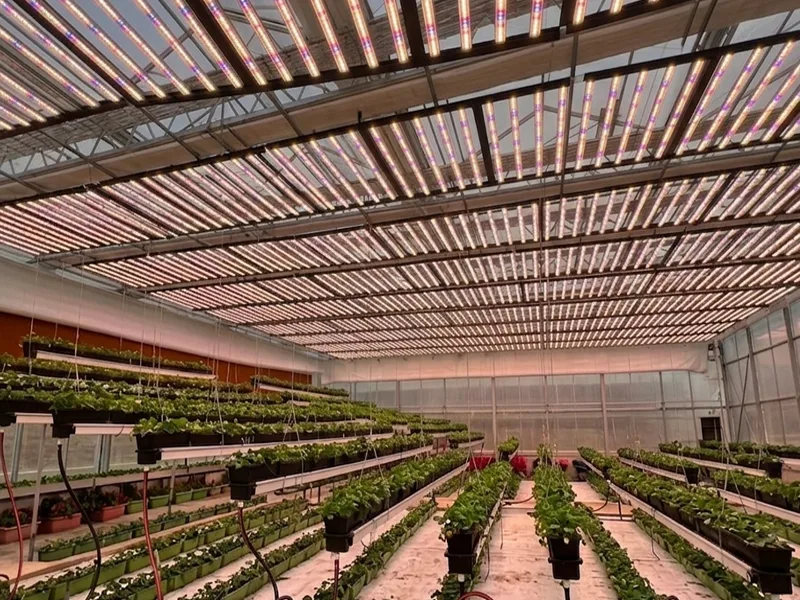
We test our lights in real grow environments, not just in sterile labs. We understand that a light fixture is an investment in your future harvest. Whether you are looking for a small propagation light or a commercial-grade multi-bar fixture to cover a warehouse, we apply the same rigorous standards of quality control.
Don’t let deceptive marketing compromise your grow. Look for transparency, look for efficiency, and look for the build quality that allows you to sleep soundly at night knowing your plants are thriving.
Conclusion
The transition to LED technology has revolutionized indoor agriculture, lowering energy costs and boosting yields globally. However, the low barrier to entry for manufacturing has created a minefield for buyers. By understanding the core technologies—drivers, diodes, thermal management, and spectrum science—you can filter out the noise.
When you are ready to explore high-performance led grow lights for sale, remember that value is a long-term calculation. It is defined by grams per watt, reliability over years, and the safety of your facility. We invite you to explore our catalog at SLTmaks, where we combine deep industry expertise with top-tier components to bring you lights that truly perform.
Happy Growing.
Frequently Asked Questions (FAQ)
Q: How far should I hang my LED grow light from my plants?
A: This depends on the light’s power and the plant’s stage. Generally, for a powerful 600W LED:
Seedling: 24-30 inches (dimmed to 25-40%).
Veg: 18-24 inches (50-75% power).
Flower: 12-18 inches (100% power).Always watch your plants for signs of “light bleaching” (leaves turning white) or curling, which indicates the light is too close.
Q: Do I need UV or IR in my LED grow light?
A: While not strictly “mandatory” for basic growth, they are highly beneficial. IR (Infrared/Far-Red) helps with cell expansion and flowering initiation. UV (Ultraviolet) can increase the production of secondary metabolites (like cannabinoids and terpenes) as a defense mechanism. A true full-spectrum light usually incorporates these.
Q: How long do LED grow lights last?
A: A high-quality LED fixture should last between 50,000 to 100,000 hours. If you run your lights 12 hours a day, that is roughly 11 to 22 years. However, the light output will slowly degrade over time. We recommend replacing commercial fixtures after 5-7 years to maintain maximum efficiency.
Q: Can I use regular household LED bulbs for growing?
A: For low-light houseplants or starting a few seeds, yes. But for fruiting or flowering plants (like tomatoes, peppers, or cannabis), household bulbs lack the intensity (PPFD) and the correct spectrum balance to produce dense, high-quality yields. You will end up with stringy, weak plants.
Q: What size LED light do I need for a 4×4 tent?
A: For a 4×4 foot area during the flowering stage, you ideally want between 480W and 650W of high-efficiency LED power. This ensures you hit that “sweet spot” of 800-1000 μmol/m2/s across the canopy. A 300W light in a 4×4 tent will result in fluffy, underdeveloped buds on the edges.