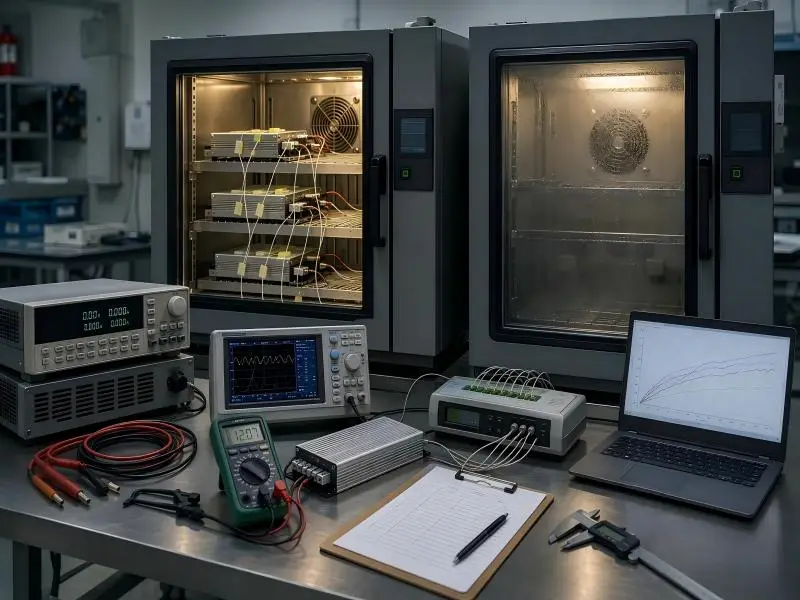
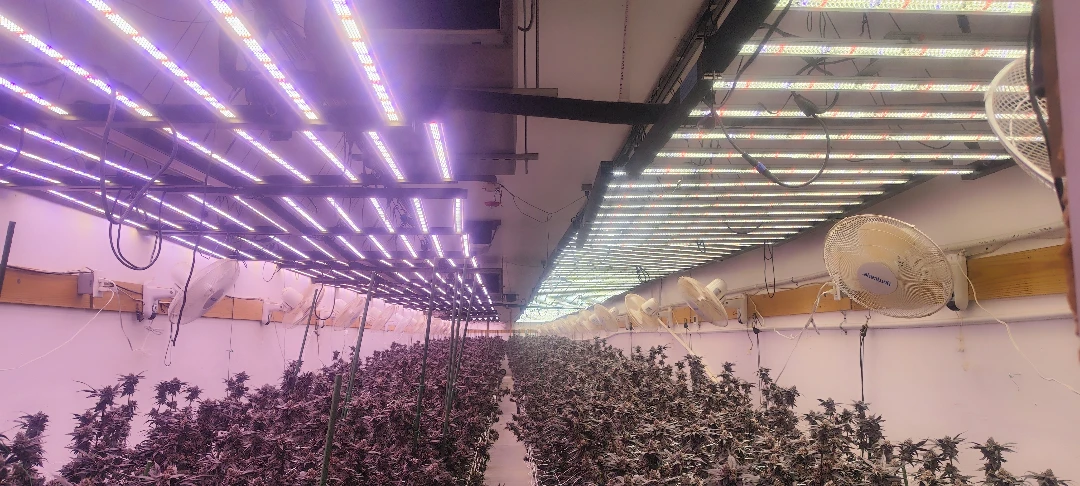
The LED grow lights 2026 market is moving fast, and it’s easy to get lost in flashy “PPFD maps” and big wattage numbers. In 2026, the smartest buyers (home growers, commercial cultivators, and grow-light OEM teams) will judge a fixture by measured photon performance, canopy uniformity, safety certifications, and controllability, not marketing buzz. This guide breaks down what’s genuinely new in best LED grow lights 2026, how to compare models fairly, and which fixtures are widely used as benchmarks going into 2026.
Table of Contents
What “Best” Means for LED Grow Lights 2026
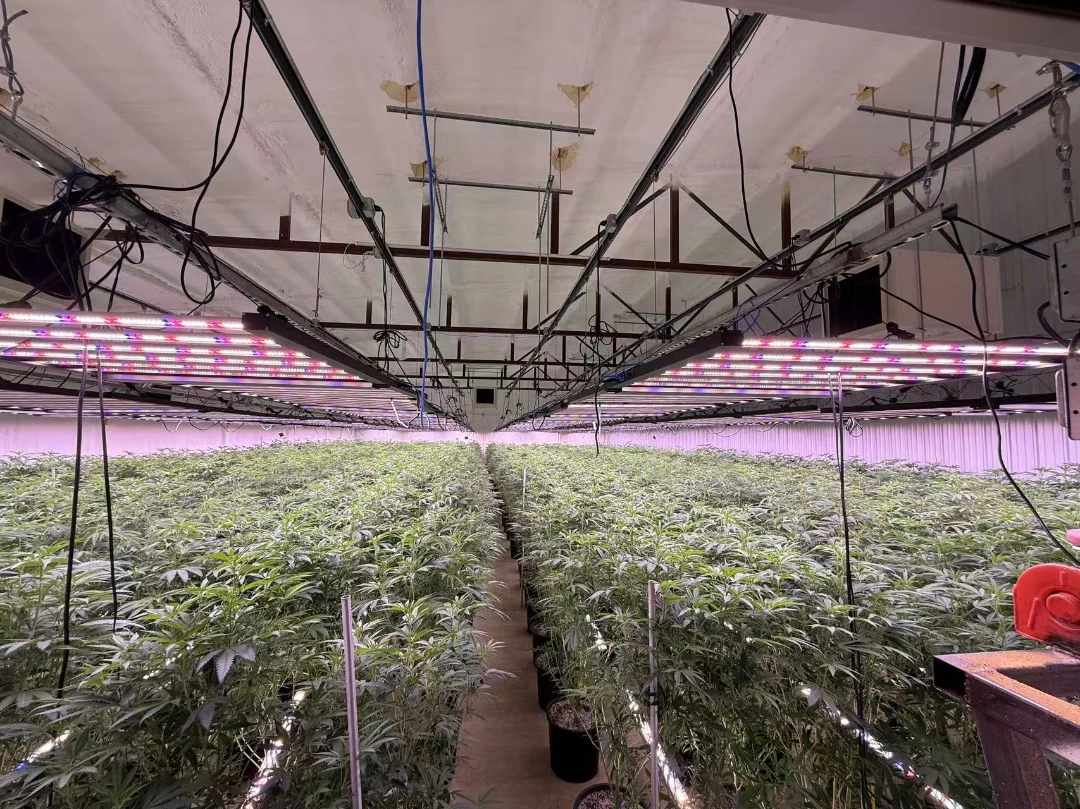
Focus on photons, not “watts”
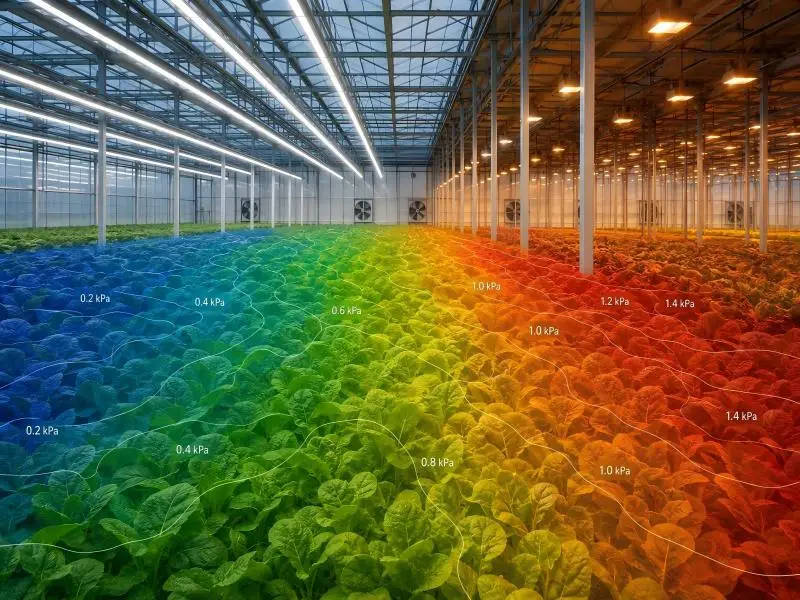
Wattage only tells you how much electricity a fixture consumes, not how much useful plant light it produces. What matters is PPF (Photosynthetic Photon Flux, µmol/s) and PPFD (Photosynthetic Photon Flux Density, µmol/m²/s)—and how evenly that PPFD is distributed across your canopy. The “best” LED grow lights 2026 are increasingly optimized to deliver more usable photons per joule while keeping hotspots and dead zones under control.
The most practical efficiency number you’ll see on spec sheets is PPE (photosynthetic photon efficacy, µmol/J). Higher PPE generally means lower operating cost for the same plant response, assuming you maintain similar uniformity and spectrum. (Uniformity is where many “high PPFD” lights quietly fail.)
Use standardized terms (so you’re comparing apples to apples)
The industry leans on recognized definitions for plant-light quantities and units, including ANSI/ASABE S640 (Quantities and Units of Electromagnetic Radiation for Plants). If your supplier can’t speak clearly in S640-style terms (PPF, PPFD, DLI, etc.), you’ll waste time chasing vague claims. You can reference the standard listing and scope via ASABE’s library page. elibrary.asabe.org
Newest Technologies Shaping LED Grow Lights 2026
Higher efficacy LED packages and better system-level optimization
The 2026 direction is clear: higher efficacy at both the diode level and the fixture level, plus tighter binning consistency. Samsung, for example, has long publicized horticulture-focused LED packages like the LM301H and its high photon-efficacy positioning. led.samsung.com While individual diode claims don’t automatically translate to real-world canopy performance, top fixtures increasingly combine premium diodes with better optics, board layout, and thermal design to preserve efficiency under heat.
In practice, the “new tech” you should care about isn’t just a new diode name. It’s whether the full system (LED boards + drivers + thermal path + optics + layout) keeps performance stable over years of 12–18 hour photoperiods.
Better canopy uniformity through bar arrays and optics
One of the biggest reasons bar-style fixtures keep winning is geometry: spreading light sources across a larger area reduces peak intensity directly under the center and improves edge coverage. That uniformity lets growers run closer to target PPFD without burning tops or starving corners. For 2026 grows, uniformity is also the difference between “great yield on the center plants” and “consistent yield across the room.”
Optics are also getting more crop- and facility-aware: wider beam patterns for low-ceiling rooms, tighter control where vertical racking demands it, and reflectors that push photons deeper into the canopy without increasing wasted spill.
Smarter dimming, wireless control, and facility-scale tuning
In 2026, dimming is no longer optional—it’s a cost-control and crop-steering tool. Many serious fixtures support 0–10V dimming, daisy chaining, and increasingly wireless options. Fluence, for example, highlights wireless dimming integration alongside its newer VYPR line. Fluence
Smart control matters because the “best LED grow lights 2026” are used dynamically:
- ramping intensity for seedlings/early veg,
- pushing higher PPFD when temperature/VPD and nutrition are stable,
- backing off when heat load rises or when you’re optimizing energy cost per gram.
Spectrum strategies: full spectrum + targeted reds (and careful far-red use)
Full-spectrum white remains the baseline because it’s broadly effective and visually workable. The 2026 trend is controlled enhancement—usually deep red (~660 nm) and sometimes far-red (~730 nm)—to influence morphology and flowering responses depending on crop and strategy. The key is control: spectrum should serve your crop plan, not be a fixed “one spectrum fits all” compromise.
Standards and Certifications You Should Demand in 2026
DLC Horticultural Lighting Technical Requirements (now a major reference point)
For commercial horticultural fixtures, the DesignLights Consortium (DLC) program is a major performance gatekeeper for rebates and credibility. DLC publicly lists its horticultural technical requirements (including Hort V4.0, released March 12, 2025), and this directly shapes what many manufacturers build for the North American commercial market. If your project is utility-incentive-driven, DLC alignment is often non-negotiable. You can review DLC’s technical requirements hub and horticultural program references here: DLC Solid-State Lighting Technical Requirements. DesignLights
If a vendor claims “commercial grade” but can’t discuss DLC-style testing, data formats, or quality expectations, that’s a red flag for 2026 buyers.
UL 8800 safety evaluation for horticultural environments
Horticultural lighting operates in unique conditions: humidity, wash-down practices, elevated ambient temperatures, dense cable routing, and frequent repositioning. UL 8800 was created specifically for horticultural lighting equipment and systems, and UL explains why horticultural luminaires have safety issues that general-use luminaire standards may not fully address. For deeper context, see UL’s overview page: UL Horticultural Lighting Testing and Certification Services. UL Solutions
A UL brief on UL 8800 also notes evaluation for suitability in damp/wet environments and elevated ambient temperatures—exactly the realities many grows face. UL Solutions
IES TM-33 data and credible reporting formats
For serious comparison, you want standardized optical data formats and test reporting discipline. The Illuminating Engineering Society (IES) has discussed that DLC submissions have required PPID and SQD in ANSI/IES TM-33-18 format (a standard designed to represent optical and electrical data for horticultural luminaires). See IES discussion here: Horticultural Lighting Design and Déjà Vu.
In plain terms: the more your purchasing decision relies on measured, transferable, standardized data, the less you’ll be fooled by “best LED grow lights 2026” hype that collapses under real testing.
Set the Right Targets: PPFD and DLI for Real-World Growing
DLI is the “daily budget” your plants actually receive
Instead of obsessing over a single PPFD number, many agronomy resources recommend thinking in DLI (Daily Light Integral)—the total photosynthetically active photons delivered per area per day. University extension resources explain DLI as a 24-hour light total that correlates strongly with plant growth outcomes. A clear, grower-friendly explanation is provided by Virginia Tech Extension: Calculating and Using Daily Light Integral (DLI). pubs.ext.vt.edu
Iowa State Extension also emphasizes DLI as one of the most important measurements for indoor growing under lights, tying it directly to the amount of plant-useful light delivered over 24 hours. See: Important Considerations for Providing Supplemental Light to Indoor Plants. Yard and Garden
Practical PPFD ranges (general guidance, not a promise)
Your PPFD target depends on crop type, growth stage, photoperiod, CO₂, temperature, nutrition, and airflow. As a general working range many growers use:
- Seedlings/clones: lower PPFD with longer photoperiods for gentle development.
- Vegetative growth: moderate-to-high PPFD depending on crop and environment.
- Flowering/fruiting: higher PPFD, but only if your environment can support it.
For cannabis specifically, peer-reviewed research has tested yield and physiological response across multiple PPFD levels (including higher intensities), providing a more scientific anchor than forum folklore. One widely cited open-access paper is available here: Cannabis Yield, Potency, and Leaf Photosynthesis Respond Differently to Increasing Light Intensity. PMC
The main takeaway for 2026: pushing intensity without environmental support can waste energy or reduce quality. The “best LED grow lights 2026” are the ones you can control precisely—so you can match photons to what your crop can actually use.
Choosing the Right Fixture Style for LED Grow Lights 2026
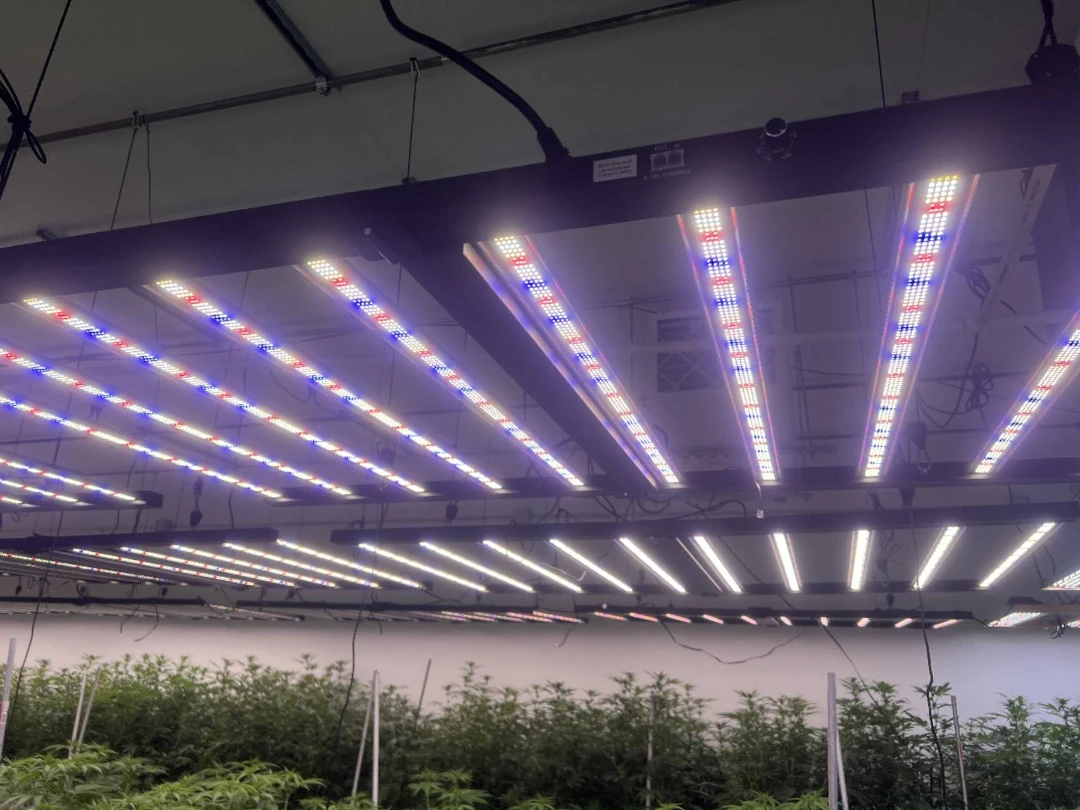
Bar-style fixtures: the 2026 default for uniform canopy coverage
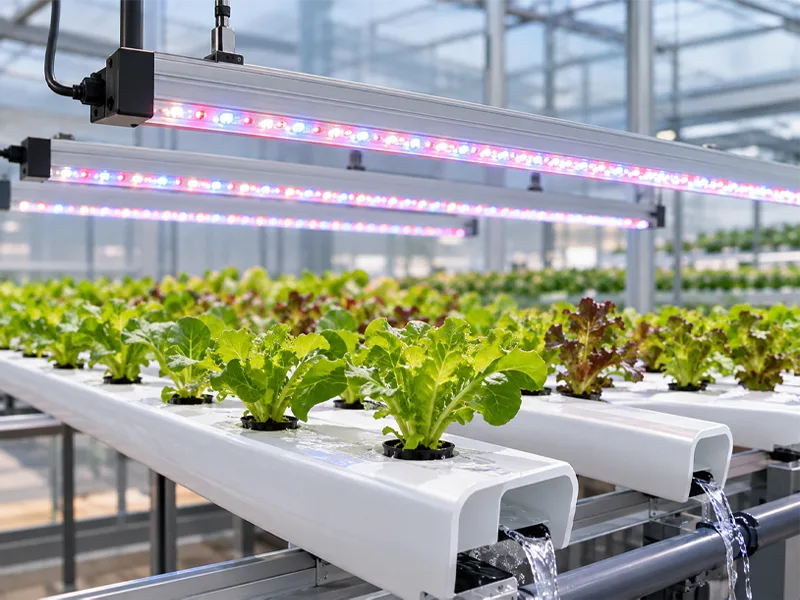
Bar fixtures dominate serious grows because they reduce hotspot risk and improve edge performance. They’re also easier to maintain thermally because heat is distributed across multiple rails/boards. If you’re upgrading in 2026, bar-style is often the safest “no regrets” form factor for tents, benches, and rooms.
A uniform fixture can let you run a slightly higher average PPFD without stressing tops. That often translates to better consistency and less time spent constantly adjusting hanging height to fight uneven growth.
Board-style fixtures: still strong for compact spaces and value builds
Quantum-board style fixtures still make sense where budget is tight and coverage areas are modest. In 2026, the best board fixtures typically add better dimming, improved thermal paths, and more honest PPFD mapping than early-generation boards.
If you choose board-style, your evaluation should be stricter on heat and uniformity. A board can look “powerful” at the center while underperforming at edges, especially in larger footprints.
Vertical farming and interlighting: specialty tools, not general-purpose winners
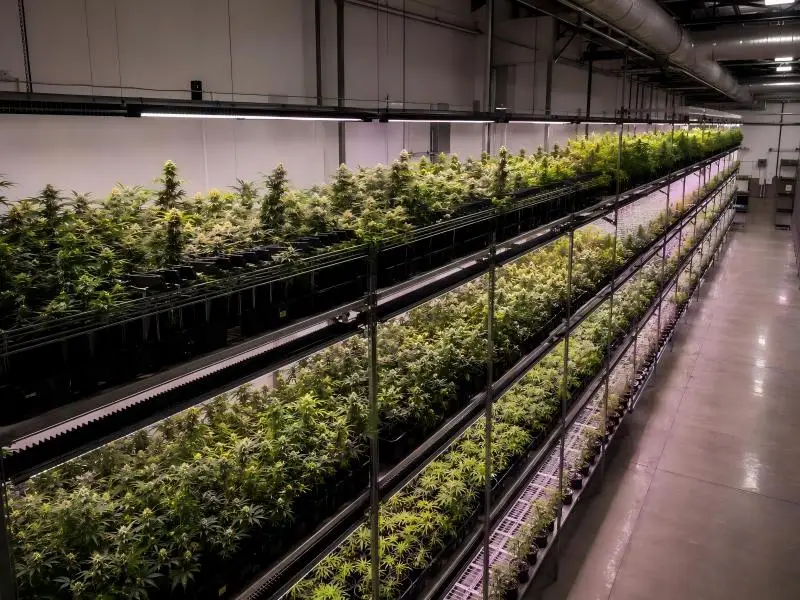
Interlighting bars and vertical rack fixtures are built for specific geometry and crop setups. They can be outstanding when used correctly, but they’re not automatically “best” for tents or single-layer benches. In 2026, you’ll see more racks moving toward modular, low-profile bars with standardized wiring, easy cleaning, and reliable dimming control.
Best LED Grow Lights 2026: Top Models Used as Benchmarks Going Into 2026
Below are widely recognized fixtures and series that many growers and OEM teams reference when comparing performance. Availability and exact revisions can change, so treat these as benchmark examples for what “top tier” looks like heading into 2026.
Commercial / facility-grade benchmark fixtures
Fluence VYPR 4 (top light series)
Fluence announced VYPR 4 shipping to global cultivators and highlighted high photon flux and efficiency options depending on spectrum configuration, along with control features like wireless dimming integration. This is the kind of commercial spec direction that shapes what buyers expect in LED grow lights 2026. Fluence+1
If you’re designing a grow room standard for 2026, use this category as a reference point: sealed construction, uniform optics, and controls-first thinking.
Gavita Pro 1700e LED
The Gavita 1700e is a long-standing benchmark for broad coverage bar-style design, commonly cited around ~645 W and ~1700 µmol/s output with ~2.6 µmol/J efficacy in published spec documentation. It’s often referenced when growers want a “known quantity” for large footprints and consistent distribution. Contentful+1
Even if you don’t buy this exact model in 2026, its design philosophy—uniform coverage, passive cooling, and facility compatibility—remains a template.
HLG Scorpion Diablo (commercial full-spectrum class)
HLG positions the Scorpion Diablo line as a high-efficacy, high-PPF commercial fixture, listing performance claims like “over 2100 PPF” and around ~3.0 µmol/J class output, with supporting documents linked on their product page. This fixture family is commonly used as a comparison target for “maximum output in a 5×5 class footprint.”
For 2026, the lesson is not the brand name—it’s what the product represents: high photon delivery plus a layout intended to improve canopy penetration and uniformity.
Prosumer / high-performance grow-room fixtures (strong value-to-performance)
Spider Farmer SE7000 (bar-style 730 W class)
The SE7000 series is marketed as a commercial-style bar light with features like app control, and it’s often discussed for 5×5 class coverage. For buyers comparing best LED grow lights 2026 in the prosumer tier, this is an example of how mainstream brands now package controls + bar geometry into a relatively accessible price class.
Independent-style testing and mapping resources also exist for this model family, which can help buyers sanity-check marketing PPFD claims. cocoforcannabis.com
Mars Hydro FC6500 (Samsung EVO diode class, 730 W class)
Mars Hydro markets the FC6500 line with Samsung LM301H EVO diode positioning and publishes wattage, coverage class, and PPE-style claims on its product pages. This is representative of 2026’s trend: premium-diode naming, high output, bar geometry, and dimming features becoming common in non-commercial purchasing channels.
If you’re comparing options, focus on the published PPFD map conditions (height, area, dimming) and how those align with your actual grow geometry.
How to Compare LED Grow Lights 2026 Without Getting Tricked

Always ask: “At what height and over what area?”
A PPFD map without test height and measurement grid is basically advertising art. Reputable vendors specify the hanging height, the measured area size, and sometimes the sensor type. If a brand only shows a single “max PPFD” number, you still don’t know whether the edges are starving.
For 2026 buyers, a good habit is to compare average PPFD and uniformity across the same footprint. Your plants don’t grow only in the center square.
Check whether the data is transferable
If a fixture provides standardized optical data or references DLC/IES formats, that typically indicates better reporting discipline than random screenshots. As noted by IES, TM-33 has been a key format in horticultural luminaire data handling tied to DLC submission practices. ies.org
You don’t need to become a lighting engineer. You just need to demand data that can be checked, not just believed.
Cost, Heat, and Reliability: The Real “Best” in 2026
Efficiency lowers operating cost, but reliability protects your crop
A slightly more efficient fixture can save meaningful money over thousands of hours. But a cheap driver failure or thermal runaway can cost more than the electricity you saved. In 2026, pay close attention to driver quality, operating temperature ratings, ingress protection (where relevant), and warranty terms that are actually usable in your country.
If you’re running a facility, you should also treat safety standards as part of reliability. UL notes horticultural environments can pose unique safety issues, and UL 8800 is specifically designed around those realities. UL Solutions+1
Better control can reduce “wasted photons”
Dimming and scheduling are not just convenience features. They let you match intensity to plant stage, avoid over-lighting when temperature or CO₂ isn’t supportive, and respond to seasonal utility pricing or demand charges. In many 2026 operations, the “best LED grow lights 2026” are the ones that integrate smoothly into a control strategy.
Installation Tips That Make LED Grow Lights 2026 Perform Like They Should
Start higher, dim down, then dial in
Many growers make the same mistake: hanging too low and blasting full power on day one. In 2026, a better approach is to start with a higher mounting height, dim to a conservative PPFD target, then gradually increase as the canopy fills and the plant’s demand rises.
This approach also reduces stress, helps manage heat, and lets you learn how your specific cultivar responds. It’s the difference between “spec-sheet growing” and stable production growing.
Manage heat at the room level (not just the fixture level)
Even efficient LEDs turn a large portion of input power into heat. Good fixtures spread heat out and protect components, but your room still needs airflow design and sensible driver placement. If your drivers can be remotely mounted (some systems allow this), it can reduce canopy-level heat load and simplify maintenance.
For Grow Light OEMs: Why Copper Busbars and Precision Metal Parts Matter in 2026 Fixtures
More power density = more demand on power distribution
As LED grow lights 2026 push higher PPF and more advanced controls, internal power distribution becomes more demanding. High-current, low-resistance paths reduce voltage drop, stabilize driver performance, and support consistent output across multiple LED boards or bars. This is where precision copper busbars and well-designed conductive interconnects become a competitive advantage in fixture design.
If you are building or upgrading a grow light platform for 2026, consider whether your internal conductors and connectors are engineered like “real power hardware,” or treated as an afterthought. Poor distribution design can create heat spots, inconsistent board output, and long-term reliability issues.
Deep-drawn and stamped components improve durability and manufacturability
Modern fixtures use more than LEDs and drivers—they rely on robust mechanical systems: housings, brackets, protective covers, driver enclosures, mounting interfaces, and strain-relief hardware. Deep-drawn components can create strong, lightweight enclosures with fewer seams and fasteners, while precision stamping dies enable consistent high-volume production of brackets and conductive parts with tight tolerances.
For OEM teams, reducing assembly steps and improving consistency often matters as much as boosting photon output. A 2026 “top model” is rarely great because of one single part—it’s great because the entire mechanical + electrical platform is engineered for stability and repeatability.
FAQ: LED Grow Lights 2026 Buying Questions
Are 2026 grow lights “better,” or just marketed better?
They can be genuinely better, but only if you verify performance with real metrics and credible reporting. The biggest improvements going into 2026 are typically in uniformity, control features, and system-level efficiency, not magic spectrum claims.
If you compare based on average PPFD across your real footprint and look for safety/performance discipline (DLC alignment, UL horticultural safety thinking, standardized data practices), the best options become obvious. DesignLights+2UL Solutions+2
Do I need DLC and UL if I’m just a home grower?
You may not need them, but they’re strong signals of seriousness—especially UL-type safety evaluation in humid, high-duty-cycle environments. Even at home scale, you benefit from products built with better wiring methods, thermal design, and more disciplined testing culture. UL Solutions+1
What’s the fastest way to avoid a bad purchase in 2026?
Avoid “max PPFD only” marketing and insist on the test conditions and full map logic. If a seller can’t tell you the measured height, area, and power draw, treat it as unknown performance. In best LED grow lights 2026, transparency is part of quality.
Choosing the Best LED Grow Lights 2026 (and Building Them)
The “best” LED grow lights 2026 are the fixtures that deliver measured photons, uniform canopy coverage, safe operation, and real controllability—all while staying reliable across years of long photoperiods. Whether you’re buying lights for a grow or designing the next top model, the winning formula is the same: standardized metrics, disciplined engineering, and manufacturing that doesn’t cut corners when the room gets hot and humid.