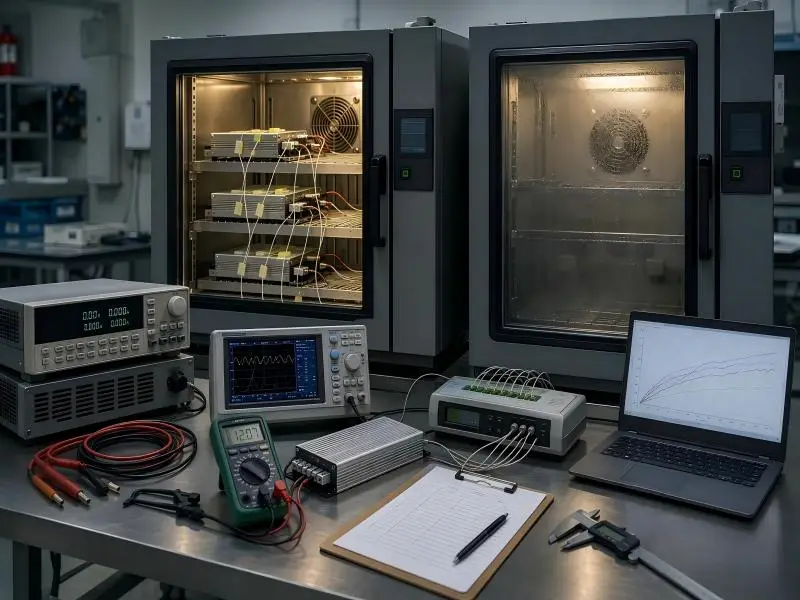

If you search for the best LED grow light, you’ll quickly notice that “best” means different things to different growers. A home hobbyist might want a quiet, cool-running fixture that fits a shelf, while a commercial grower cares most about uniformity, efficiency, documentation, and long-term reliability. The good news is that you can compare grow lights in a clear, objective way once you know which specs actually matter—and which are marketing noise.
This guide breaks down the real performance metrics, the design features that impact results, and a practical buying checklist you can use before you spend a dollar. It’s written to be easy to follow, but it also goes deep enough for serious growers who want to verify claims with proper test standards.
Table of Contents
What “Best LED Grow Light” Really Means
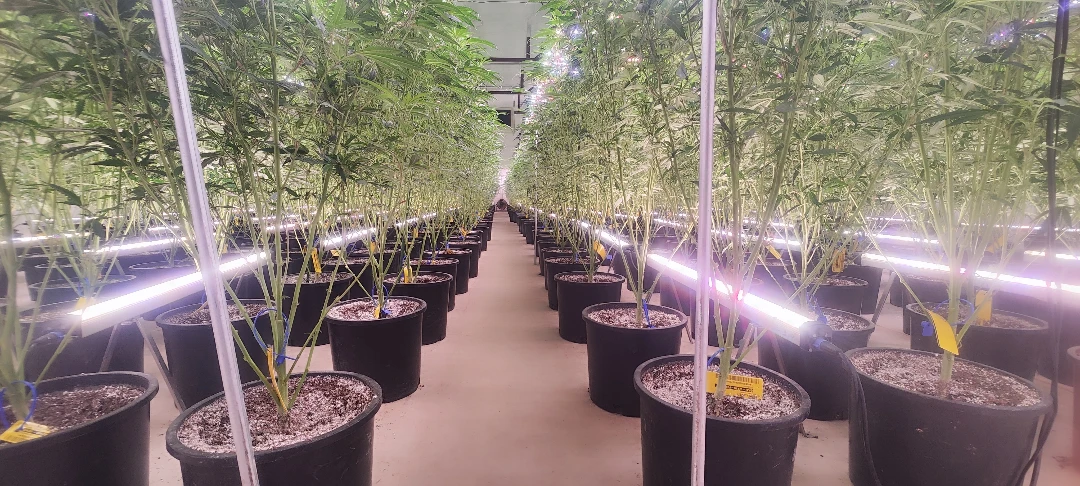
A “best LED grow light” is not the one with the highest advertised wattage or the most dramatic photo of plants. The best choice is the fixture that delivers the right light intensity and spectrum to your canopy, with good uniformity, at the lowest total cost of ownership. That includes energy use, heat management, replacement risk, and the credibility of performance reports.
The most important mindset shift is this: plants don’t use “watts” or “lumens” the way humans think about brightness. Plants respond to photosynthetic photons and photobiology cues, so we need plant-centric units and trustworthy testing methods to judge any “best LED grow light” claim. ANSI/ASABE S640 is a key reference that defines how plant-lighting quantities like PPF and PPFD are expressed and interpreted. ANSI Webstore
The Metrics That Matter Most: PPF, PPFD, PPE, and DLI
PPF: How many usable photons the fixture produces
PPF (Photosynthetic Photon Flux) tells you how many PAR photons (traditionally 400–700 nm) the fixture emits per second, measured in µmol/s. Think of PPF as the “total plant-usable light output” of the fixture, not how bright it looks to your eyes. This is why two fixtures with the same wattage can perform very differently.
A serious supplier should be able to show PPF from standardized testing, not just calculated estimates. If a listing only says “equivalent to 1000W” without a real PPF value, treat it as marketing, not measurement.
PPFD: How much light actually hits the canopy
PPFD (Photosynthetic Photon Flux Density) tells you how many PAR photons land on a square meter each second, measured in µmol/m²/s. PPFD is what your plants “feel” at the canopy, and it changes with hanging height, optics, reflectivity, and layout. Standards like ANSI/ASABE S640 clearly distinguish PPF (emitted) from PPFD (incident on an area). ANSI Webstore
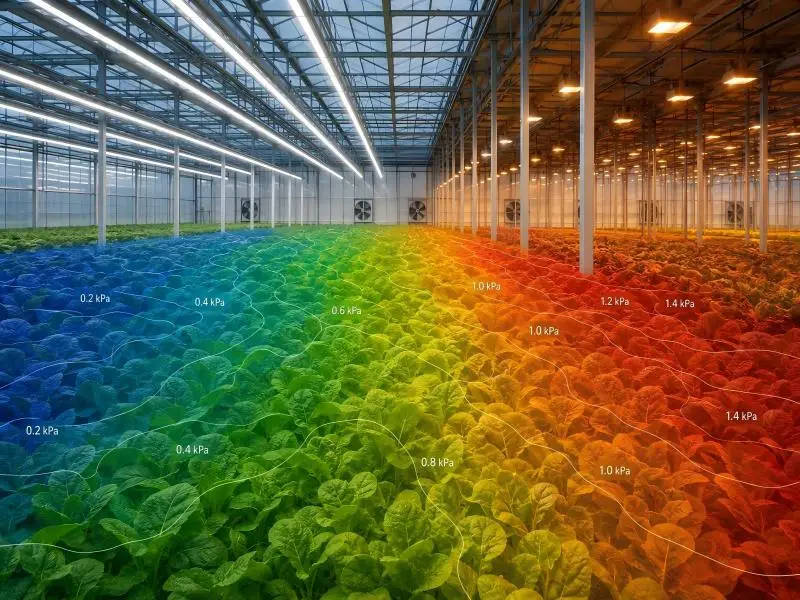
When comparing “best LED grow light” options, PPFD is only meaningful if it comes with a map (multiple measurement points) and a stated height. A single “max PPFD” number at one hotspot can hide terrible edge coverage.
PPE: Efficiency that directly impacts your power bill
PPE (Photosynthetic Photon Efficacy) tells you how efficiently electrical power is converted into photosynthetic photons, measured in µmol/J. This is the plant-lighting efficiency number that matters most for operating cost, because it links photons directly to energy consumed. Many rebate and qualification programs (like DLC horticultural requirements) emphasize PPE because it’s hard to fake if tested properly. designlights.org
A higher PPE does not automatically mean better yields if the fixture has poor uniformity or unstable spectrum, but it’s a strong baseline indicator of quality engineering. If you are choosing between two similar designs, higher PPE usually means lower long-term cost.
DLI: The “daily dose” that ties light to plant results
DLI (Daily Light Integral) is the total PAR light delivered to a surface over a day, commonly expressed as mol/m²/day. It’s one of the most practical concepts for growers because it connects intensity (PPFD) and time (photoperiod) into a single daily “light dose.” Virginia Tech Extension describes DLI as the total photosynthetic light received over a single day and shows how PPFD and photoperiod combine. pubs.ext.vt.edu
A simple way to think about it: PPFD is your “speed,” photoperiod is your “time,” and DLI is the “distance traveled.” If your plants are underperforming, checking DLI is often more helpful than obsessing over spectrum alone.
Why “Watts” and “Lumens” Can Mislead You
Watts tell you power consumption, not plant-usable light output. Two LED grow lights that both draw 300W can have very different PPF and PPFD depending on LED efficiency, driver performance, optics, and thermal design. That’s why wattage-only comparisons are a common trap when people shop for the best LED grow light.
Lumens are weighted for human vision (especially green light), not photosynthesis, so they don’t translate cleanly to plant performance. Extension resources for indoor lighting often emphasize that plant lighting is best evaluated with PPF and PPFD rather than human-lighting measures like footcandles or lux. Yard and Garden
If a seller highlights lumens more than PPF/PPE/PPFD maps, it usually means they are selling a “bright-looking” fixture, not a well-documented horticultural tool. Use lumens as a red flag, not a decision maker.
Spectrum: What “Full Spectrum” Should Actually Include

The practical meaning of “full spectrum” for growing
In grow lighting, “full spectrum” typically means a white-light base (often phosphor-converted LEDs) that covers a broad range, often combined with additional deep red to boost flowering response and efficiency. A solid full-spectrum approach can work across seedlings, vegetative growth, and flowering, especially when intensity and DLI are correct.
However, spectrum is not a magic shortcut. If PPFD at the canopy is too low, no spectrum tweak will compensate for insufficient photons.
Red, blue, and far-red: what they do and when they matter
Blue light influences morphology and leaf characteristics, and red light is highly efficient for driving photosynthesis. Far-red (often discussed around the 700–750 nm range) can influence plant responses related to shade-avoidance and flowering signals in some crops and conditions, which is why some modern fixtures add controlled far-red channels. Research continues to explore how far-red interacts with intensity and plant development cues. PMC
The key is control and intent. A fixture that adds far-red with no guidance, no channel control, and no crop strategy can create unwanted stretch or inconsistent morphology, especially in tight vertical systems.
Spectrum stability is a hidden “best” factor
One overlooked feature of the best LED grow light is spectral stability over temperature and time. Poor thermal design can shift LED output and accelerate depreciation, which silently changes your crop outcomes month after month. That’s why thermal management and credible lifetime design matter just as much as day-one PPFD.
If you’re buying for production, ask how the fixture maintains performance over long photoperiods and warm ambient conditions. A stable spectrum with predictable output is worth more than a flashy “custom spectrum” label.
Coverage and Uniformity: The Difference Between “Good” and “Great”
Why uniform PPFD beats a high hotspot
Plants don’t grow under a single point—they grow across a canopy. If your center PPFD is high but edges are weak, you get uneven growth, inconsistent maturity, and a harder time dialing in irrigation and nutrients. Uniformity is one of the biggest real-world separators between an average product and a truly best LED grow light for your space.
A proper PPFD map should show multiple measurement points and clearly state the hanging height and coverage area. If a brand only provides a single number like “PPFD 2000,” you don’t know whether that’s the center at 6 inches or an average at 18 inches.
Bar lights vs. boards vs. high-bay fixtures
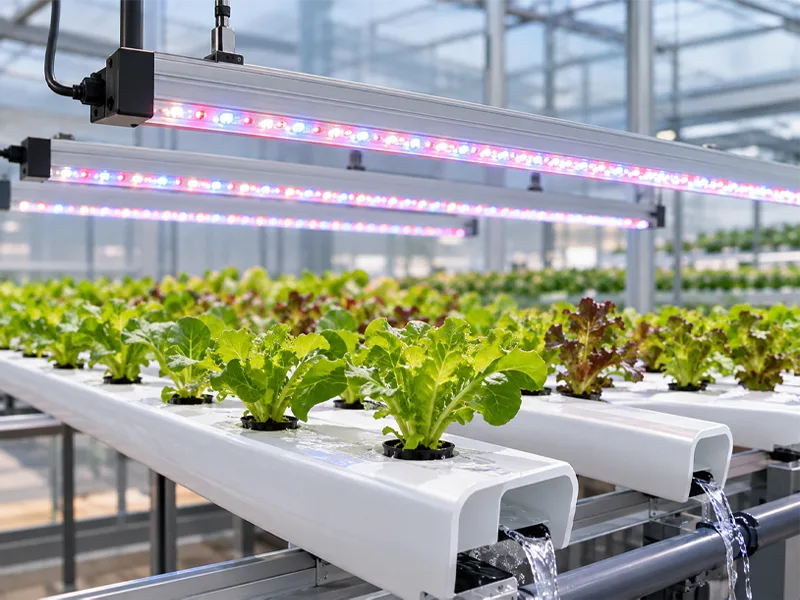
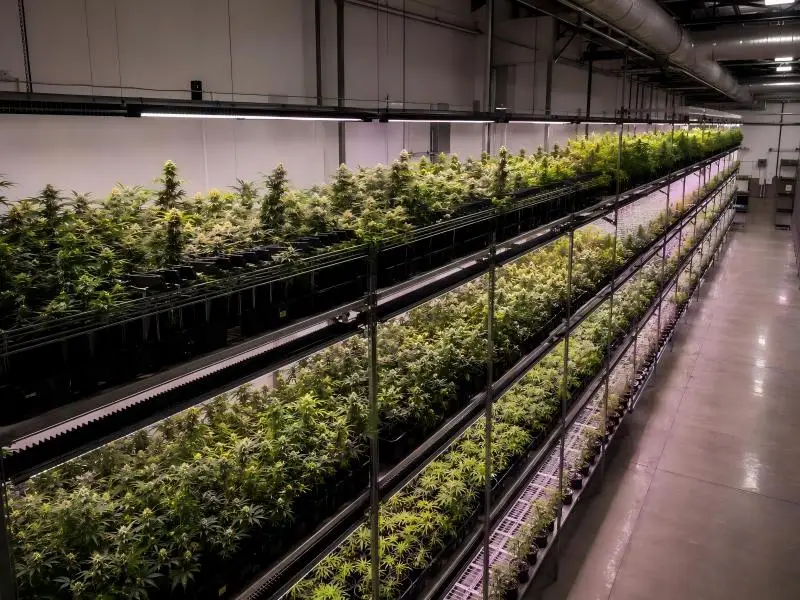
Bar-style fixtures often deliver better uniformity because the light sources are spread out, reducing harsh hotspots and improving canopy coverage—especially for racks and vertical farming. Board-style fixtures can be compact and cost-effective for tents, but uniformity depends heavily on layout and optics. High-bay styles are common in commercial greenhouses and large rooms where mounting height and wide distribution matter.
There is no single best shape for everyone. The best LED grow light is the one that matches your canopy geometry, hanging height, and target uniformity, not the one that looks most “powerful” in photos.
Optics and reflectors: “free PPFD” is not really free
Optics can improve delivery to the canopy by shaping distribution, but they also affect uniformity and can increase glare. Reflective walls in a tent can boost effective light at the edges, but that does not replace a good fixture design. If you rely on reflections to fix poor uniformity, your results will change dramatically when you move to a different space.
Ask for PPFD maps in a realistic setup similar to yours. A map measured in a white reflective box may look better than one measured in an open room, so context matters.
Testing and Documentation: How to Verify Claims
LM-79 and why it matters for horticultural LED grow lights
ANSI/IES LM-79 is a widely recognized method for measuring optical and electrical performance of solid-state lighting products under controlled conditions. It covers reproducible measurement of optical output and electrical power, which helps create trustworthy performance reporting. ANSI Webstore
Even though LM-79 originated in broader lighting applications, it’s heavily used as a foundation for credible horticultural performance reports. Programs like the DLC’s horticultural requirements reference LM-79 expectations and reporting requirements. designlights.org
TM-33 and modern reporting expectations
ANSI/IES TM-33 relates to standardized electronic transfer of luminaire optical data (XML-based formats), which helps consistent reporting and use in lighting design and analysis workflows. It’s increasingly referenced in modern reporting ecosystems, including in horticultural qualification contexts. store.ies.org
The takeaway for buyers is simple: better documentation usually correlates with better engineering and accountability. If a supplier can’t provide coherent test reports, it’s harder to trust their PPF/PPE claims.
DLC horticultural requirements as a quality filter
The DesignLights Consortium (DLC) publishes technical requirements for horticultural lighting products, including performance thresholds and reporting expectations. Their technical requirement documents (including recent versions) outline how products are expected to be tested and what data must be reported. designlights.org
You don’t need to buy only DLC-listed products, but DLC-style documentation is an excellent benchmark. If a manufacturer claims “premium” but can’t meet basic reporting discipline, that’s a warning sign.
Reliability and Lifetime: What Makes LEDs Last (or Fail)
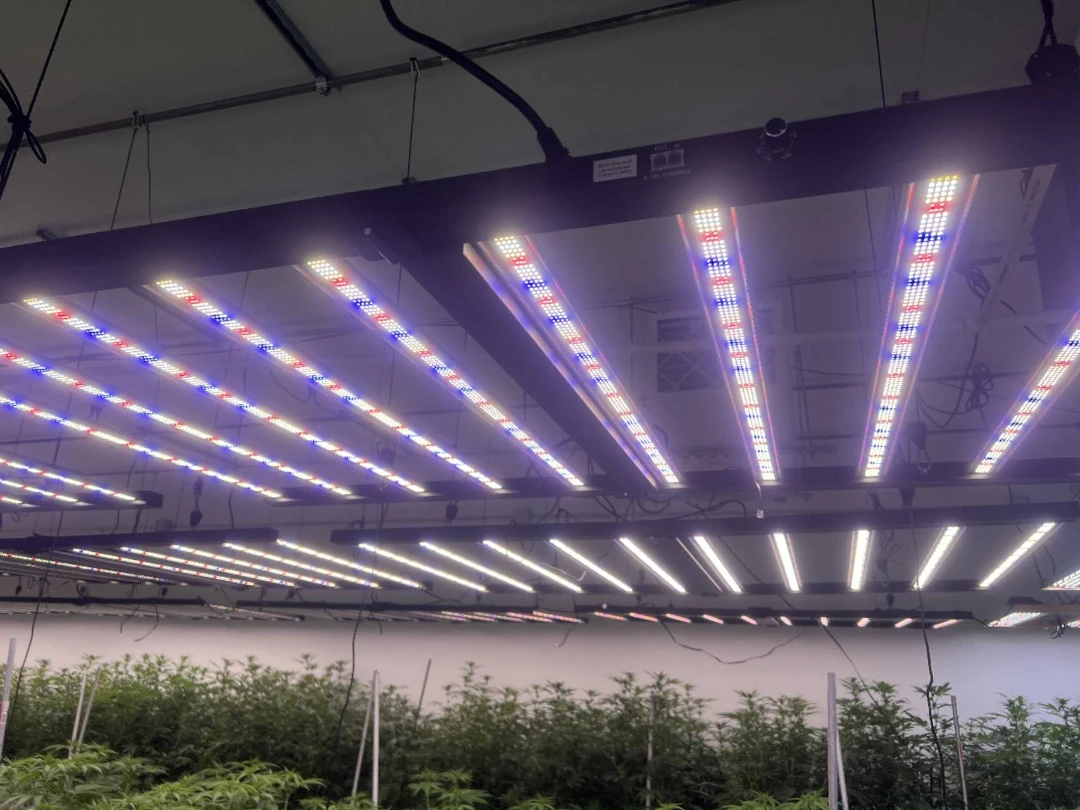
Thermal management is not a cosmetic feature
Heat is the enemy of LED lifetime and driver stability. Good fixtures use proper heat sinks, smart board layouts, quality thermal interface materials, and airflow-aware design to keep junction temperatures under control. If a fixture runs extremely hot to the touch, output depreciation and early failures become more likely over long photoperiods.
Long-life performance is part physics and part engineering discipline. A well-managed thermal design helps keep photon output stable, protects drivers, and maintains spectrum consistency over time.
Drivers: the most underrated component in a “best LED grow light”
The driver determines power quality, dimming behavior, and long-term reliability. Cheap drivers can cause flicker, poor dimming curves, noisy operation, or early failure under heat and humidity. For commercial use, driver quality often matters more than squeezing out the last 0.1 µmol/J on paper.
Ask what driver brand/model is used, what the operating temperature rating is, and what protections are built in. If a supplier can’t answer basic driver questions, they probably aren’t building for long-term operation.
IP ratings, corrosion resistance, and real grow-room conditions
Grow environments can be humid, dusty, and chemically aggressive (nutrient aerosols, cleaners, sulfur, etc.). If you’re running hydroponics or high-humidity cultivation, a fixture’s environmental suitability becomes critical. UL materials describe horticultural environments as unique and emphasize evaluation for damp/wet conditions and elevated ambient temperatures under UL 8800 considerations. UL Solutions
If your grow is harsh, the best LED grow light for you is the one designed for harsh conditions. That may mean a slightly higher upfront cost but far less downtime and replacement risk.
Safety and Compliance: Don’t Skip This Section
UL 8800 and horticultural lighting safety
UL 8800 is a safety standard specifically designed for horticultural lighting equipment and systems, addressing conditions common in plant-growth environments. UL highlights that UL 8800 was developed to evaluate equipment for these environments and that it includes considerations such as humidity and temperature stresses. UL Solutions
For commercial operations, safety compliance is not optional. It reduces fire risk, helps with inspections, and often matters for insurance and facility requirements.
Photobiological safety and IEC 62471
Bright LED sources can pose photobiological risks under certain exposure conditions, which is why IEC 62471 series standards are used to assess photobiological safety of lamps and luminaires. IEC’s publication listings describe IEC 62471-7 as specifying assessment approaches and basic product requirements for photobiological safety in normal use. IEC Webstore
For growers, the practical point is to avoid staring into high-intensity fixtures at close range and to consider proper eyewear if you work long hours under intense blue-heavy light. Good manufacturers also provide sensible guidance about viewing angles, mounting height, and safe handling.
Wiring, connectors, and installation details
Even an efficient light can become a liability if wiring is weak. Look for solid strain relief, sealed connectors (if needed), properly rated cables, and clear installation instructions. If the fixture uses daisy-chain power, make sure current limits and chain counts are explicitly specified.
The best LED grow light should be easy to install correctly. If installation feels improvised, reliability and safety usually suffer later.
Controls and Dimming: Better Crop Steering, Better Efficiency
Why dimming is more than convenience
Dimming lets you match PPFD to growth stage and avoid wasting photons and electricity when plants are small. It also helps manage heat load and can improve uniformity if you combine dimming with a thoughtful layout strategy. Good dimming should be smooth, stable, and repeatable.
From a production standpoint, dimming is a way to hit a target DLI without overheating your environment. That often leads to more consistent crops and lower HVAC stress.
Timers, 0–10V, controllers, and automation readiness
For hobby grows, a reliable timer and a simple dimmer can be enough. For commercial grows, 0–10V control or integrated controllers help coordinate lighting with irrigation, CO₂, and HVAC. Many modern facilities treat lighting as part of a system, not a standalone device, because light interacts with everything else.
If you plan to scale, choose a fixture family that supports consistent control methods. The best LED grow light for a scaling grow is one that still makes sense when you go from one rack to one room.
Matching Light to Plants: Seedlings, Veg, Flower, and Beyond
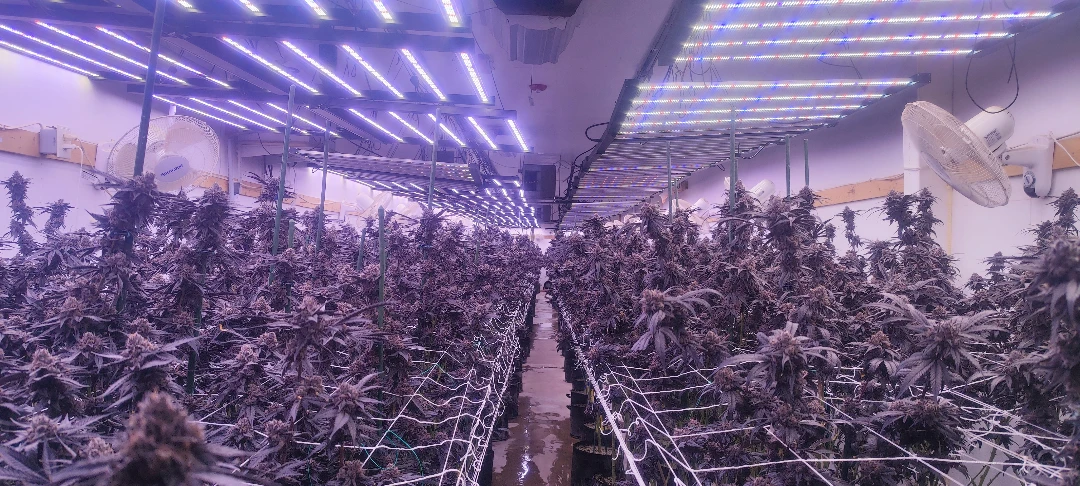
Seedlings and clones: gentle intensity, high uniformity
Young plants usually need lower PPFD and careful distance to avoid stress. Uniformity matters a lot here because small plants can be sensitive to hotspots, and uneven early growth creates uneven production later. A bar light or well-designed low-power fixture often performs better than a high-power unit dimmed too aggressively, depending on the driver and dimming curve.
Use DLI thinking early. A moderate PPFD with an appropriate photoperiod can deliver the daily dose seedlings need without heat or bleaching.
Vegetative growth: build structure without wasting energy
During vegetative growth, you typically raise PPFD and ensure canopy coverage keeps up with plant expansion. Good uniformity reduces the need to constantly rotate plants and helps maintain consistent morphology. Spectrum can influence compactness and leaf thickness, but intensity and uniformity still lead the results.
A “best LED grow light” for veg is one that makes the whole canopy behave the same way. That makes feeding and training more predictable.
Flowering and fruiting: intensity, distribution, and strategy
In flowering and fruiting, growers often target higher PPFD and consistent delivery across the canopy. This is where underpowered fixtures or poor edge coverage show up as reduced yield or inconsistent quality. If your space has multiple fixtures, layout and overlap patterns become as important as the per-fixture spec sheet.
If a product claims to be the best LED grow light for flowering, ask for PPFD maps that match your canopy size and mounting height. Real performance is about the whole system, not one fixture in isolation.
Sizing the Light: A Simple, Practical Method
Start with your grow area and target PPFD range
First, define the canopy area you need to cover (not the room size). Next, choose a PPFD target that matches your crop and stage strategy, then use photoperiod to hit a DLI goal. Virginia Tech Extension’s DLI explanation makes it clear that DLI is computed from PPFD and time, which is exactly how you should plan lighting. pubs.ext.vt.edu
Avoid guessing based on “watts per square foot” alone. That rule of thumb is too crude because PPE varies widely across fixtures.
Use fixture maps and overlap, not just headline numbers
A single fixture’s map tells you what it can do, but multi-fixture overlap determines what your canopy actually receives. If you want even results, plan for overlap that smooths edges and avoids hotspots. This is one reason many growers prefer distributed bar designs for racks and larger beds.
If a supplier cannot provide maps, you can still plan using measured PPFD with a quantum sensor. But if you have to do all the verification yourself, the fixture is less “best” and more “unknown.”
Efficiency vs. Heat: The Real Operating Cost Story
Higher PPE means more photons per watt, which usually means less waste heat for the same plant-usable output. That can reduce HVAC burden, especially in sealed rooms and vertical farms where every watt eventually becomes heat. The best LED grow light is often the one that saves you twice—first on electricity and second on cooling.
DOE publications on solid-state lighting R&D highlight the ongoing focus on efficiency improvements and system-level performance, which reinforces why efficiency and system design are long-term advantages, not short-term hype. Energy.gov
That said, efficiency is not the only cost driver. Downtime, replacements, labor, and crop inconsistency can cost far more than a modest difference in power bills.
The Buying Checklist: How to Choose the Best LED Grow Light With Confidence
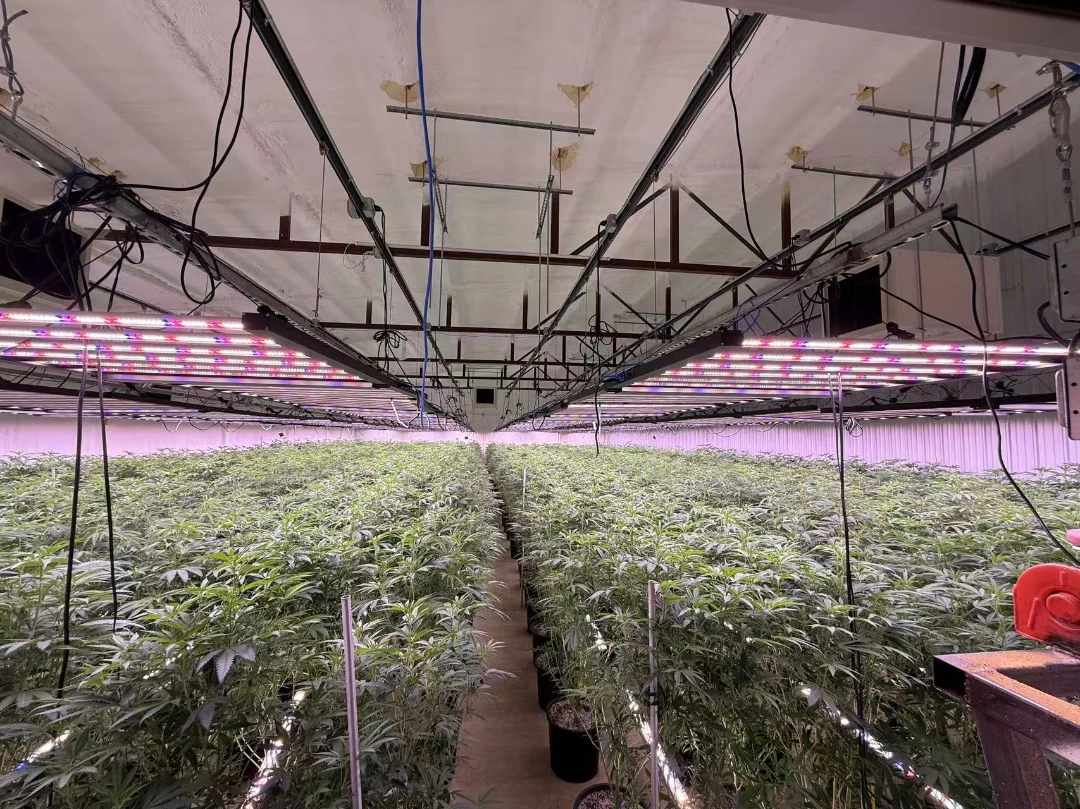
1) Verify real performance data (don’t accept “estimated”)
Ask for a test report that includes electrical power and photon output measured under a recognized method such as ANSI/IES LM-79, which is designed to produce reproducible optical and electrical measurements for SSL products. ANSI Webstore
If the supplier only provides a marketing PDF with no lab identity, no test conditions, and no measurement uncertainty, assume the numbers are inflated. A best LED grow light purchase starts with data you can trust.
2) Demand a PPFD map that matches your hanging height and area
Request a PPFD map showing the grid spacing, the measurement height, and the coverage area. The map should include average and uniformity indicators, not only a single peak. If your grow uses reflective walls or racks, ask for maps that reflect realistic installation scenarios.
If a seller refuses to provide maps, it usually means the edges are weak or the results are inconsistent. In that case, you are not shopping for the best LED grow light—you are gambling.
3) Check PPE, but interpret it correctly
PPE helps you compare energy efficiency directly in plant terms. DLC horticultural technical requirements emphasize PPE thresholds and clear reporting, which is a useful benchmark even if you don’t require DLC listing. designlights.org
However, do not let a high PPE number distract you from poor uniformity or weak build quality. Efficiency should be paired with stable output and a robust design.
4) Confirm spectrum strategy and channel control (if applicable)
If the fixture is “full spectrum,” ask what that means in terms of spectral distribution and whether any extra channels (like deep red or far-red) are controllable. Uncontrolled spectral additions can create stretch or inconsistent morphology depending on crop and intensity context. Research shows far-red responses can interact with intensity and plant signaling, so it should be applied intentionally. Frontiers
A strong supplier can explain spectrum choices in plain language. If they only say “more colors = better,” that’s not a strategy.
5) Evaluate reliability: thermal design, drivers, and environment rating
Ask about heat management features and driver quality because those strongly influence lifespan. Also ask whether the fixture is designed for damp or wet environments if your grow is humid, since horticultural environments have unique safety and durability demands. UL documentation around UL 8800 highlights evaluation for damp/wet suitability and elevated ambient conditions. UL Solutions
If the supplier cannot explain thermal design or environmental suitability, choose another option. The best LED grow light is the one that still performs after thousands of hours.
6) Confirm safety and compliance for your market
For professional operations, look for safety certification that aligns with your region and installation environment. UL 8800 is specifically focused on horticultural lighting equipment and systems, and it’s often referenced in serious commercial contexts. UL Solutions
Also consider photobiological safety guidance, since IEC 62471 standards address assessment approaches for visible light sources used in normal conditions. IEC Webstore
This isn’t paperwork for paperwork’s sake. Compliance reduces operational risk and improves long-term confidence.
7) Get clear warranty terms and service expectations
A warranty is only meaningful if the company can honor it. Ask what failure modes are covered, whether drivers and LED boards are covered equally, and what the replacement process looks like. If the supplier has a local warehouse or proven logistics route, that can reduce downtime.
The best LED grow light choice includes the company behind it. A slightly cheaper fixture can become expensive if support is slow or unclear.
8) Ask the “system questions” that reveal real expertise
Here are the questions that separate a true manufacturer from a reseller. Ask them, and listen to how they answer in detail:
- “What PPFD average and uniformity can I expect at my exact hanging height?” They should respond with maps and practical mounting advice, not vague claims.
- “What test method and lab produced your performance report?” They should reference recognized methods (often LM-79-based reporting) and provide traceable documentation. ANSI Webstore
- “What driver is used and how does dimming behave at low power?” They should explain dimming range, stability, and any constraints clearly.
- “What design features protect the fixture in humid or warm grow rooms?” They should discuss environmental rating, sealing, thermal behavior, and safe installation expectations. UL Solutions
If the answers are confident, specific, and consistent, you’re closer to a real best LED grow light decision. If the answers are vague, you’re buying branding, not engineering.
Common Mistakes People Make When Buying a “Best LED Grow Light”
One common mistake is buying based on “maximum PPFD” without checking the average and uniformity. This leads to a bright center, weak edges, and uneven crops that are hard to manage. Another mistake is overspending on spectrum features while underinvesting in reliable drivers and thermal design, which can cause failures when the fixture is run hard over long photoperiods.
A third mistake is ignoring documentation quality. If a supplier can’t produce coherent testing and reporting, you can’t confidently compare their fixture to any other.
Quick FAQ
Is the highest-wattage grow light always the best?
No, because wattage measures power draw, not plant-usable photon output. A lower-watt fixture with higher PPE and better uniformity can outperform a higher-watt fixture in real canopy results. Programs like DLC emphasize plant-centric performance metrics rather than wattage alone. designlights.org
Do I need full spectrum to grow successfully?
Full spectrum is convenient and versatile, but success still depends on delivering the right PPFD and DLI. You can grow excellent plants with many spectral approaches if intensity, uniformity, and photoperiod are correct. DLI-based planning is often a more reliable path than obsessing over small spectral differences. pubs.ext.vt.edu
What’s the simplest “one-number” spec to compare lights?
If you can only look at one number, use PPE (µmol/J), but only if it comes from credible testing. Then immediately check PPFD maps to confirm that photons are delivered uniformly to your canopy. That combination is far safer than relying on wattage or “equivalent” claims.
Final Takeaway
The best LED grow light is the one that delivers verified photons (PPF), usable canopy intensity (PPFD with good uniformity), and high efficiency (PPE) while staying reliable in real grow-room conditions. You’ll make better decisions by thinking in DLI and canopy coverage, and by demanding professional-grade documentation rather than marketing claims.