If you search for good LED grow lights, you’ll quickly find thousands of products that look similar on paper. The real difference lies in how well a light delivers usable photons to your canopy, how consistently it does so over time, and whether the build, safety, and support align with the price you pay. This guide breaks down the practical metrics and simple “quality checks” you can use—whether you’re lighting a seedling rack, a home grow tent, or a commercial greenhouse.
A good grow light isn’t just “bright.” It is predictable, efficient, safe, and honest about performance, with data you can verify and a design that protects your investment for years.
Table of Contents
What “Good LED Grow Lights” Really Means

Define “good” based on your goal, not the ad copy
A “good” LED grow light for basil seedlings is not the same as a “good” LED grow light for flowering fruiting crops. Your definition should start with the crop type, growth stage, and target intensity, because the wrong output (even if powerful) wastes energy and can cause stress, bleaching, or uneven growth.
Before comparing brands, write down what you actually need: your grow area size, hanging height limits, whether you need dimming, and the daily light target your plants require. This single step prevents most bad purchases.
Coverage and canopy uniformity matter as much as peak PPFD
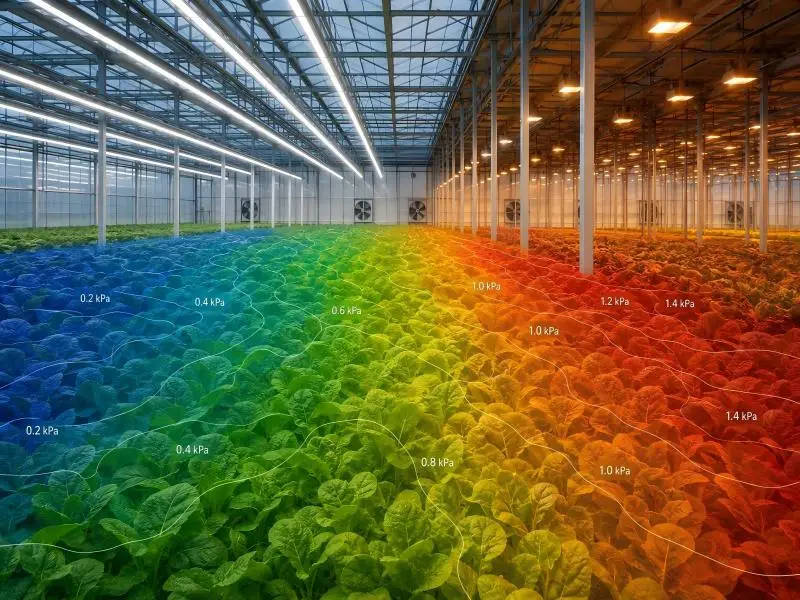
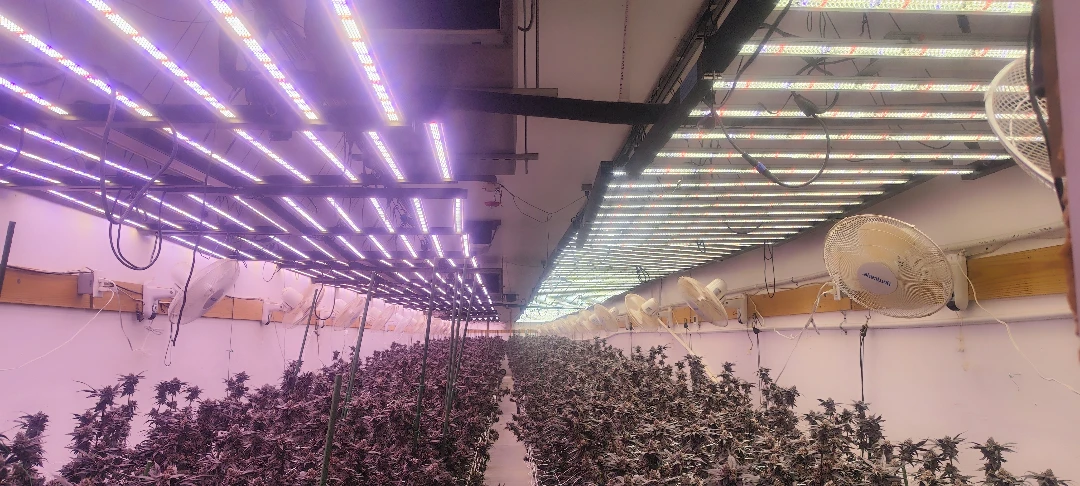
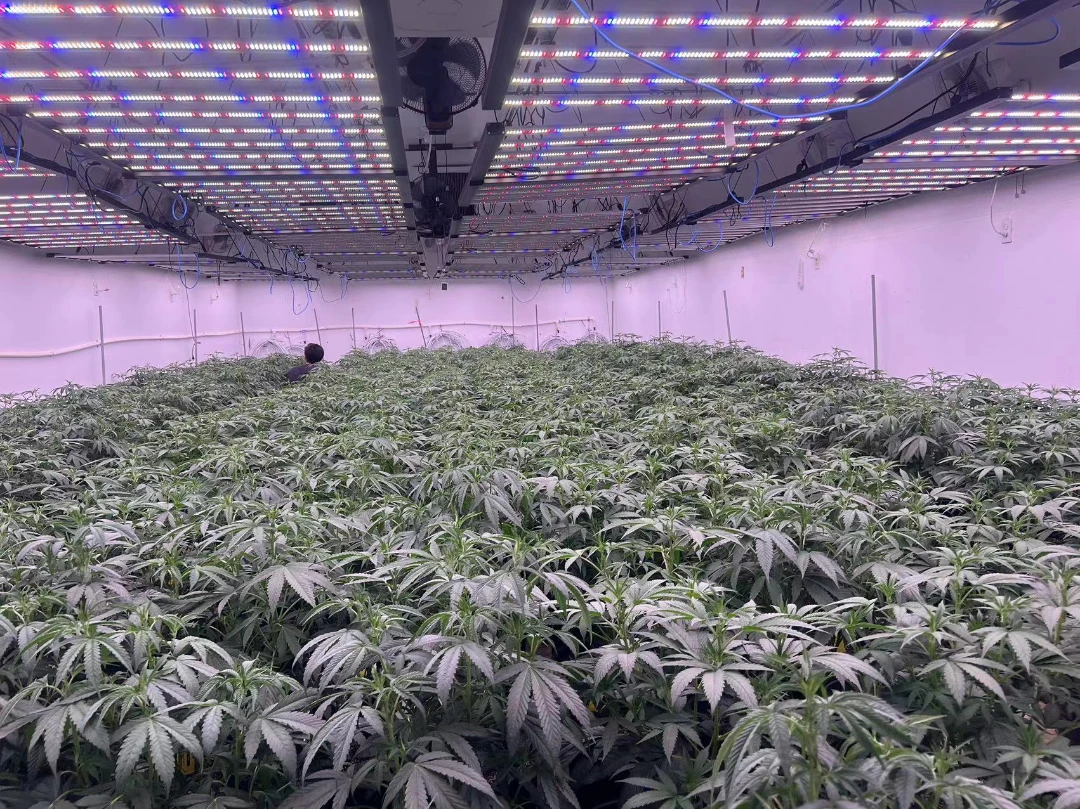
Many lights advertise a very high PPFD number at the center point, measured close to the fixture. A good light source should also provide uniform PPFD across the entire canopy, as plants respond to the weakest spots as well. Uneven coverage creates uneven growth, and you’ll end up raising the light (reducing intensity) or rearranging plants constantly.
As a rule, bar-style fixtures or well-designed multi-board layouts tend to spread light more evenly than a small, intense point source. If the brand shows only one “hot spot” number without a map, treat it as a yellow flag.
The Light Metrics That Actually Matter
PPFD beats lumens for plant lighting
Plants use photons in the PAR range (typically discussed as 400–700 nm), so lumens (a human-vision metric) can be misleading. PPFD (µmol/m²/s) tells you how many photosynthetically active photons hit a square meter each second, which is far more relevant for growth decisions.
If you’re serious about judging quality, prioritize products that provide PPFD maps and explain test conditions (mounting height, area size, and measurement grid). For background reading on plant-relevant light measurements, you can start with the educational resources from Apogee Instruments (a major PAR sensor manufacturer): PPFD basics and PAR measurement concepts.
DLI is the “daily budget” of light your plants receive
PPFD is instantaneous intensity, but plants grow based on the total photons they receive over time. That’s where DLI (Daily Light Integral, mol/m²/day) comes in. A good grow light helps you hit your DLI target efficiently, without excess heat or wasted spill.
The simple relationship is that DLI increases if PPFD increases, or if the photoperiod (the number of hours per day) increases. A practical reference for greenhouse growers is Purdue Extension’s discussion of DLI and greenhouse lighting concepts (often shared as PDFs and guides from their horticulture programs): Purdue Extension horticulture resources.
Spectrum: avoid extremes, aim for useful balance
A “good” LED grow light typically uses a spectrum that supports both healthy morphology and efficient photosynthesis. Modern white-based horticulture LEDs (often with additional deep red) are popular because they give broad coverage and better visual inspection for growers.
Be cautious of overly simplified claims like “red + blue is all plants need.” Red/blue-only fixtures can grow plants, but they may affect leaf shape, stretch, and how easily you can spot pests or nutrient issues. If you want to dive deeper into horticultural lighting guidance and terminology, the DesignLights Consortium has a horticulture lighting program with technical resources and definitions: DLC Horticulture.
Efficiency is measured in µmol/J, not “equivalent watts”
A good LED grow light should clearly state PPE (photosynthetic photon efficacy) in µmol/J. This tells you how many plant-usable photons you get per joule of electricity, which links directly to operating cost.
Marketing phrases like “1000W equivalent” are not standard and often hide the real power draw. Always confirm the actual wattage and look for a credible efficacy figure.
How to Verify Performance Claims
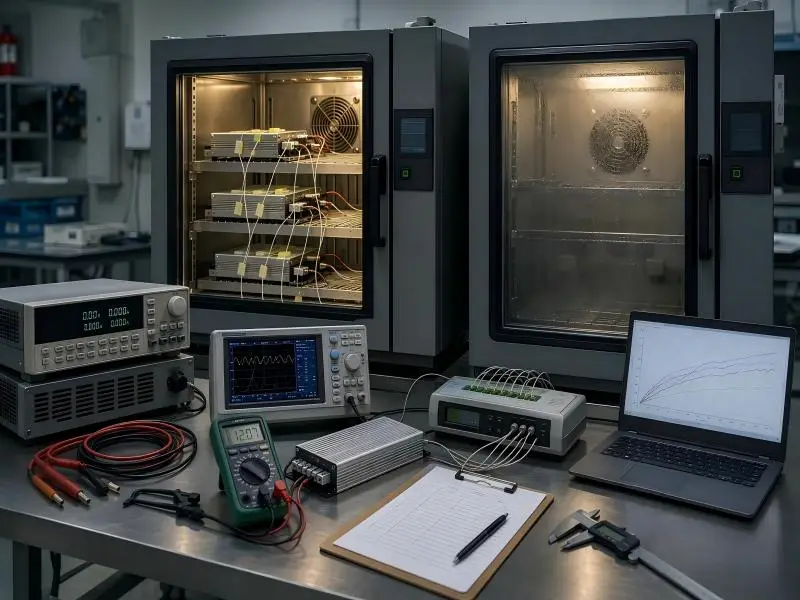
Ask for an integrating-sphere or goniophotometer-based report
If a manufacturer can’t provide any formal test documentation, you’re forced to rely on marketing. Better brands can share a test report that references recognized measurement methods for LED products, including common lighting industry standards.
A practical starting point for understanding how lighting standards work is the Illuminating Engineering Society standards page. Even if you’re not buying an IES document, knowing the names (like LM-79/LM-80/TM-21) helps you ask the right questions.
PPFD maps must include the setup details
A PPFD map is only meaningful if you know the hanging height, area dimensions, and measurement spacing. A good brand shows a map across a realistic grow area (for example, 2×4 ft, 4×4 ft, or a standard bench width) at a realistic height, not an unrealistic “12 inches only” setup designed to inflate the center number.
If the map is missing, you can still evaluate by checking fixture geometry. Wider fixtures and multi-bar layouts generally produce smoother distribution at practical heights.
Build Quality: What Separates “Good” From “Disposable”

Thermal design is the silent performance driver
LEDs hate heat. High junction temperature reduces output and shortens lifespan, even if the light looks fine in month one. A good LED grow light uses a serious thermal path: quality heat sinks, sensible power density, and thoughtful airflow around the diodes.
If the fixture relies on tiny fans with no redundancy, consider the risk. Fans can fail in humid grow environments, and dust buildup is common.
Driver quality affects stability and long-term cost
The driver is the heart of the system, and it matters as much as the LED chips. A good driver provides stable current, supports dimming properly, and is protected against surges and overheating. Driver failure is one of the most common reasons lights die early.
Look for reputable driver brands, clear input specs, and meaningful warranty language that covers the driver, not just the LEDs.
Environmental protection: IP rating isn’t just for greenhouses
Humidity, foliar sprays, and nutrient mist can damage electronics. If you operate in high humidity or greenhouse-like conditions, consider fixtures with an appropriate IP rating and corrosion-resistant materials.
Even for indoor tents, protection helps with cleaning and long-term reliability. A good light is designed for real grow-room conditions, not just a clean showroom.
Safety and Compliance: Don’t Skip This Part
Electrical safety is a quality signal
A good LED grow light should follow recognized safety practices and carry credible certifications for the target market (for example, UL/ETL-type marks for North America). Safety isn’t only about compliance—it’s about lower fire risk, better insulation, better connectors, and more reliable operation under load.
If you want to understand the broader energy and lighting technology context from a government source, the U.S. Department of Energy’s SSL program provides a helpful overview.
Practical safety habits still matter
Even with a safe product, install it correctly. Use proper hangers, keep drivers ventilated, avoid overloading circuits, and don’t stare directly at high-intensity LEDs at close range.
A good light plus good installation practices equals peace of mind, especially for commercial facilities.
Controls and Usability: Quality You Feel Every Day
Dimming should be smooth, stable, and predictable
A good LED grow light offers stable dimming without flicker, random shutoffs, or “dead zones.” Dimming is not just a convenience—it’s how you dial in PPFD for seedlings, acclimate new plants, and manage temperature and energy costs.
If you plan to scale, look for standardized control options (like 0–10V in commercial setups) so fixtures can be managed consistently.
Mounting flexibility improves real-world coverage
Your tent, rack, bench, or greenhouse truss layout determines what mounting makes sense. A good light provides practical hanging points, clear hardware, and cable routing that doesn’t become a mess.
Good usability also includes daisy-chain power options (where appropriate) and clear labeling, which reduces setup time and mistakes.
Value and Total Cost of Ownership
The cheapest light often costs more over time
Value is not just purchase price. It’s the combination of efficiency (µmol/J), reliability (fewer replacements), and the ability to hit your production targets without guesswork. If a cheaper light draws more power for the same PPFD, you pay for it every month.
A good way to compare value is to estimate annual kWh for your intended PPFD and photoperiod. Even small efficiency differences add up quickly in commercial operations.
Warranty and support are part of the product
A long warranty is only valuable if the brand can honor it. Look for clear coverage terms, reasonable claim steps, and available replacement parts. A good manufacturer also provides wiring diagrams, installation instructions, and responsive technical support.
For commercial growers, ask whether the supplier can provide batch consistency and documented QC. Predictability is a form of value.
Common Marketing Claims and How to Judge Them
“Full spectrum” should mean a useful spectrum, not a vague label
Many lights are called full spectrum, but the spectral shape can vary widely. A good listing should provide at least a spectral chart or a clear description of LED types (for example, white + deep red) and intended application.
If you can’t find any spectral information at all, you’re buying blind. Even a basic spectrum plot is better than nothing.
“High PPFD at 12 inches” can hide poor uniformity
A high PPFD number at a very close distance is easy to achieve, but it may come with poor coverage and harsh hotspots. A good grow light performs at practical heights that match your crop and space constraints, with reasonable uniformity.
Ask for PPFD maps at multiple heights if possible. This helps you understand how the light behaves as you adjust it through growth stages.
Choosing the Right Type of Good LED Grow Light
Bar-style vs board-style: pick based on uniformity and airflow
Bar-style fixtures often excel at uniformity and canopy penetration, especially in larger areas or greenhouse benches. Board-style fixtures can offer great performance in smaller footprints and are often cost-effective, but designs vary widely.
A good choice is the one that matches your space, ventilation, and scaling plan. If you’re building multi-tier racks, slim bars with good distribution are usually easier to manage.
Seedlings, veg, flower, and greenhouse: the priorities shift
Seedlings value gentle, uniform light and easy dimming, because intensity needs are lower and burn risk is higher. Flowering and fruiting stages often prioritize higher PPFD and stable drivers under long daily run times. Greenhouse supplemental lighting prioritizes durability, safety marks, and moisture resistance.
“Good LED grow lights” means the right compromises for your specific use case, not the highest number on a product card.
A Simple Checklist for Buying Good LED Grow Lights

Performance checklist (quick but effective)
A good product should clearly state real wattage, provide PPFD information with test setup details, and share an efficacy figure in µmol/J. It should also show realistic coverage recommendations rather than only a single, flattering measurement point.
If you can’t find these basics, your risk is higher, and comparison shopping becomes guesswork. Transparent data is one of the strongest signals of quality.
Reliability checklist (the stuff that saves you headaches)
Look for robust thermal design, reputable drivers, sensible connectors, and a meaningful warranty. Check whether the company has consistent documentation, safety marks for your market, and responsive support.
A good light is one you can run every day without babysitting. That reliability is worth paying for.
Why SLTMAKS Focuses on “Good,” Not Just “Bright”
Engineering-first specs you can verify
At SLTMAKS, we focus on the metrics growers actually use: PPFD distribution, stable drivers, high efficacy, and practical coverage layouts. We design fixtures for real operating conditions—long photoperiods, warm rooms, and the day-to-day reality of moving, cleaning, and adjusting lights.
When you evaluate our products, you’ll see the data that matters, not vague “equivalent” claims. That’s how we help customers buy once and scale confidently.
Faster fulfillment and support for the U.S. West
For growers who need reliable turnaround, SLTMAKS maintains inventory positioned to serve fast delivery needs in the U.S. West region. This reduces downtime risk and makes it easier to expand or replace fixtures quickly when you’re managing living crops.
If you’re planning a grow buildout, we can also help match fixture type and layout to your canopy goals. A good plan is part of a good lighting result.
FAQ
What’s a “good” efficacy (µmol/J) today?
In general, higher µmol/J means lower operating cost for the same light delivered to plants. However, don’t judge efficacy alone—coverage uniformity, driver stability, and thermal performance determine whether the light stays efficient over time. A slightly lower efficacy fixture with better uniformity and build quality can outperform a “paper efficiency champion” in real grows.
If two fixtures have similar build quality, choosing higher µmol/J is usually a smart long-term value decision. Just make sure the efficacy number is credible and paired with real wattage and test details.
Do I need a special spectrum for every crop?
Most common crops do well under modern white-based horticulture LEDs, especially when intensity and DLI are correct. Spectrum tuning can be useful for specific goals like compact growth, flowering response, or crop quality traits, but it is rarely a substitute for proper PPFD and photoperiod.
If you’re unsure, start with a balanced spectrum and focus on correct intensity and uniformity first. Those two factors drive the majority of results for most growers.
How do I avoid buying a light with exaggerated claims?
Look for real wattage, PPFD maps with measurement conditions, and a clear efficacy number in µmol/J. Also, look for safety marks relevant to your region and a warranty that sounds like it can actually be honored.
If the listing is mostly buzzwords and lifestyle photos, treat it as a warning sign. Data and documentation are what “good” looks like in this category.