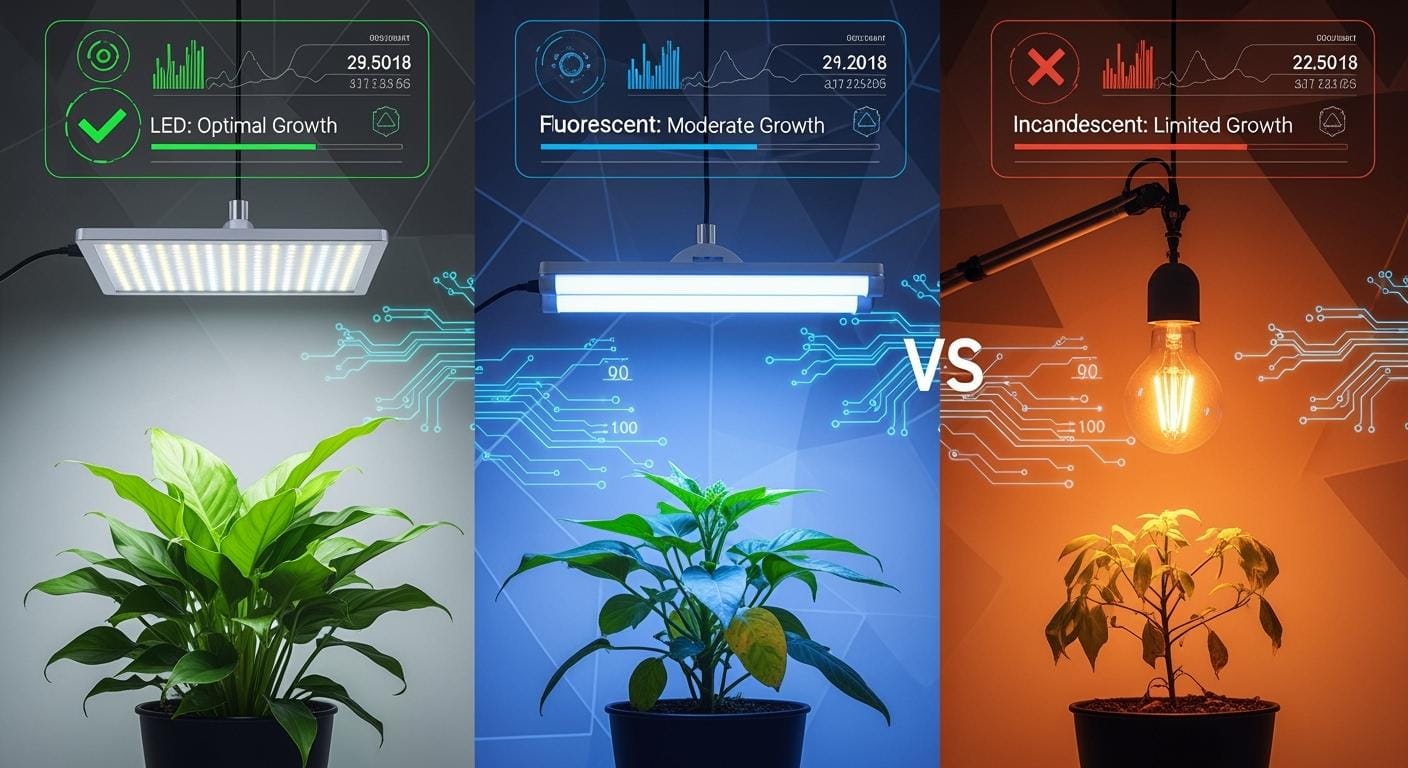
If you want the best results for your indoor gardening, you should choose an LED house plant grow light. You get faster plant growth, healthier leaves, and higher-quality flowers because LED lights mimic natural sunlight. SLTMAKS stands out for energy efficiency, using up to 90% less power than older options. You also avoid heat stress, so your house plant grow light works well in any space. Before you buy, think about your plant type, how much room you have, and your budget. The right house plant grow light helps you grow vibrant plants all year.
Table of Contents
Key Takeaways
- Pick LED grow lights for the best indoor gardening. They act like sunlight and help plants grow faster.
- SLTMAKS LED Grow Lights save energy. They use up to 90% less power than old lights. This helps you save money on your electric bill.
- Think about your plant type, space, and budget before you pick a grow light. The right light helps your plants grow well all year.
- LED lights give a full spectrum of light. This is important for all plant stages, from seedlings to flowers.
- Fluorescent lights are cheap for seedlings. But you need to replace them often. They also do not light up big spaces well.
- Do not use incandescent lights for real gardening. They waste energy and get too hot. This heat can hurt your plants.
- HID lights are very strong. But they are best for big, commercial gardens. They use a lot of energy and get very hot. They also do not have a flexible light spectrum.
- Check your grow light setup often. Change the height and area covered as needed. This makes sure all plants get enough light to grow healthy.
House Plant Grow Light Comparison
Grow Light Types Overview
When you look at the different types of grow lights, you might feel overwhelmed. Let’s break down the main options so you can see which one fits your needs best.
LED
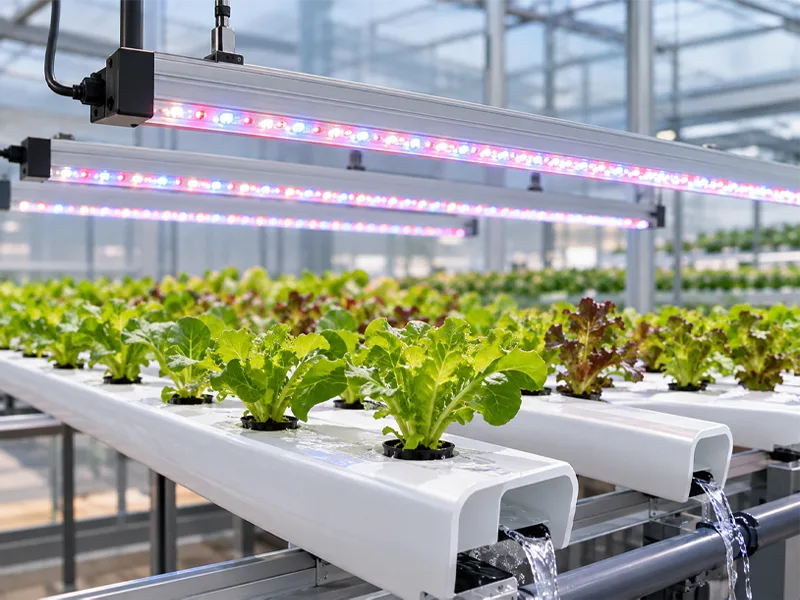
LED grow lights have changed indoor gardening. You get a full spectrum of light, which means your plants receive the right wavelengths for every stage of growth. SLTMAKS LED Grow Lights stand out because they use advanced spectrum technology. You can grow succulents, herbs, vegetables, and flowering plants with these lights. They run cool and last for years, so you don’t have to worry about replacing them often.
Fluorescent
Fluorescent grow lights, like T5 tubes, work well for seedlings and young plants. They give off a decent spectrum but don’t match the intensity of LEDs. You might choose these if you want a budget-friendly option for short-term use. They need replacement every year or so, and they don’t cover large areas as well as other types.
Incandescent
Incandescent grow lights cost less up front, but they use a lot of energy and don’t provide the right spectrum for most house plants. You might use them for decorative purposes or for very low-light plants, but they aren’t ideal for serious indoor gardening. Their short lifespan means you’ll replace bulbs often.
HID
HID grow lights, including Metal Halide and High-Pressure Sodium, produce intense light and a strong spectrum. You usually see these in commercial setups or large grow rooms. They use a lot of electricity and create a lot of heat, so you need good ventilation. Most home gardeners skip these unless they grow lots of plants.
Tip: If you want the best results for most house plants, choose LED grow lights with a full spectrum. SLTMAKS LED Grow Lights give you reliable performance and energy savings.
Pros and Cons
Let’s look at a quick comparison of the main types of grow lights. This table shows how each type stacks up for efficiency, cost, heat output, and lifespan.
| Type of Grow Light | Efficiency | Cost | Heat Output | Lifespan | Best For |
|---|---|---|---|---|---|
| LED | High | Higher upfront, saves money long-term | Low | 50,000-100,000 hours | Most house plants, all growth stages |
| Fluorescent | Moderate | Low | Moderate | ~20,000 hours | Seedlings, herbs, short-term use |
| Incandescent | Low | Very low | High | 6-9 months | Decorative, low-light plants |
| HID | Low | Moderate | High | 10,000-24,000 hours | Large commercial setups, high-light plants |
Efficiency
LED grow lights use less energy and give you a strong spectrum. You save money on your electric bill and help the environment. Fluorescent lights use more energy but still work for small setups. Incandescent bulbs waste energy and don’t give plants the spectrum they need. HID grow lights use the most energy and create lots of heat.
Cost
You pay more for LED grow lights at first, but you save money because they last longer and use less power. Fluorescent lights cost less up front but need frequent replacement. Incandescent bulbs seem cheap, but you’ll buy new ones often. HID lights cost more to run and need special fixtures.
Heat Output
LED grow lights stay cool, so you don’t risk burning your plants. SLTMAKS LED Grow Lights use advanced cooling, so you can place them close to your plants. Fluorescent lights get warm but not hot. Incandescent and HID grow lights get very hot, which can stress or damage sensitive plants.
Note: The spectrum from your grow lights matters as much as the type. Full spectrum LEDs help your plants grow strong roots, lush leaves, and vibrant flowers.
If you want a simple setup that works for most house plants, choose LED grow lights. SLTMAKS LED Grow Lights give you the right spectrum, low heat, and long life. You can grow succulents, herbs, vegetables, and flowers with confidence. This comparison helps you pick the best grow lights for your space and budget.
Best Grow Lights for Indoor Plants
LED Grow Lights
Spectrum and Output
You want the best grow lights for indoor plants, so you need to look at spectrum and output first. High-performance LED grow lights give your plants the exact wavelengths they need. Blue light (400–500 nm) helps your plants grow strong roots and compact leaves. Red light (600–700 nm) boosts flowering and fruiting. When you use a full-spectrum led, you mimic natural sunlight. This helps your plants photosynthesize better and grow faster.
Scientists have found that the right mix of red and blue light makes a big difference. Plants grow bigger, healthier, and even taste better when you use the best grow lights for indoor plants. You also get more vitamins in your veggies and stronger flowers. High-performance led grow lights let you adjust the spectrum for each stage of plant growth. You can start with more blue light for seedlings and switch to more red light when your plants start to flower.
SLTMAKS Features
SLTMAKS stands out when you compare features. These high-performance led grow lights use advanced Samsung diodes. You get up to 95% driver efficiency, which means you save energy and money. SLTMAKS offers a full-spectrum led, so your plants get all the light they need from seedling to harvest. The lights run cool, so you can place them close to your plants without burning them.
Here are some features that make SLTMAKS a top pick for your product selection:
- Full-spectrum led design covers all plant growth stages.
- Advanced cooling keeps your grow space safe and quiet.
- Durable build and a 3-year warranty give you peace of mind.
- Energy savings of up to 50% compared to older lights.
- Fast delivery and local support make product selection easy.
- Specialized models for hemp, vegetables, and fruit.
- Silent operation for any room in your home.
- Eco-friendly materials help you grow green.
- Easy setup and user-friendly controls.
You can see why so many people choose SLTMAKS for their product selection. These features make it easy to get the best grow lights for indoor plants.
Plant Compatibility
You want your grow lights to work for all your favorite plants. SLTMAKS high-performance led grow lights support a wide range of houseplants. You can grow succulents, herbs, leafy greens, and even fruiting plants. The full-spectrum led ensures every plant gets the right light for each stage of growth.
If you love growing vegetables, you will see faster growth and better taste. Flowering plants bloom brighter and last longer. Even sensitive plants thrive under these lights. When you make your product selection, you want something that works for everything. SLTMAKS gives you that flexibility.
Fluorescent Grow Lights
Light Quality
Fluorescent lights have been a classic choice for indoor gardeners. They give off a soft, even light that works well for many houseplants. The best grow lights for indoor plants often include fluorescent options for beginners. These lights use less energy than incandescent bulbs but do not match the efficiency of high-performance led grow lights.
Fluorescent lights provide a decent spectrum, but they lack the intensity and flexibility of a full-spectrum led. You may need to replace bulbs more often, and the coverage area is smaller. Still, they work well for starting seeds or growing small plants.
Ideal Plants
Some houseplants do best under fluorescent lights. If you want easy product selection, look at these options:
- Peperomias
- Philodendrons
- Pilea species
- Pleomeles
- Pothos
- Sansevieria
- Schefflera
- Spathiphyllum
- Spider plant
- Swedish ivy
These plants adapt well to medium or low light. Fluorescent lights help them grow healthy leaves and roots. If you want the best grow lights for indoor plants but have a tight budget, fluorescent lights can be a good product selection for these species.
Incandescent Grow Lights
Limitations
Incandescent bulbs do not make the best grow lights for indoor plants. They use a lot of energy and give off too much heat. Most of the light comes from the red end of the spectrum, so your plants miss out on the blue light they need for strong growth. The bulbs burn out quickly, and you will need to replace them often.
Incandescent light is typically not an ideal light source for plants. Incandescent light bulbs are not good sources of supplemental light for plants. They produce abundant wavelengths in the red end of the visible spectrum and considerably less in the blue end. Plants need wavelengths from both ends of the spectrum to grow well. They have low efficiency, operate at high temperatures, have a short life span, and tend to have a low output.
Suitable Uses
You might use incandescent bulbs for decorative purposes or for plants that do not need much light. They can work for product selection if you only want to light up a small area or grow low-light plants. However, if you want the best grow lights for indoor plants, you should look at high-performance led grow lights or fluorescent options instead.
When you make your product selection, think about your plant’s needs, your space, and your budget. The right features will help your plants thrive and make your indoor garden a success.
HID Grow Lights
Intensity
HID grow lights stand out for their powerful brightness. You see these lights in big commercial grow rooms because they deliver intense light that reaches deep into plant canopies. If you want to grow large, light-hungry plants, HID bulbs like Metal Halide (MH) and High-Pressure Sodium (HPS) give you the punch you need.
You might notice that HID bulbs use much more energy than LED or fluorescent lights. For example, a 600-watt HPS bulb can match the brightness of a 200-watt LED. That means you pay more for electricity when you use HID lights. HID bulbs consume about 70% more energy than LEDs, so your electric bill goes up fast if you run them all day.
HID lights create a lot of heat. You need good ventilation to keep your grow space cool. If you place HID bulbs too close to your plants, you risk burning leaves or drying out soil. You should always check the temperature in your grow room when you use HID lights.
Tip: HID grow lights work best for big plants that need lots of light, but you must watch out for heat and energy costs.
Application
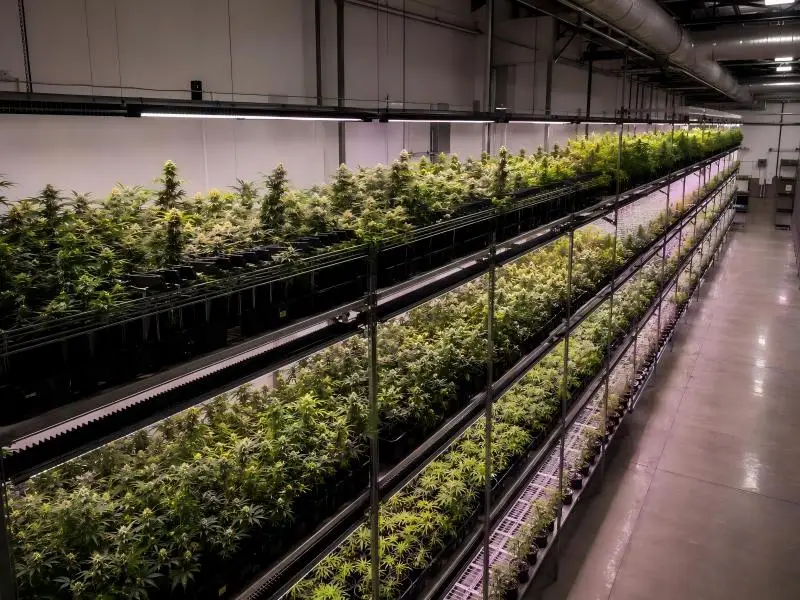
You usually see HID grow lights in commercial greenhouses or large indoor gardens. These lights help growers produce tall, leafy plants and heavy yields. If you want to grow tomatoes, peppers, or cannabis on a big scale, HID bulbs can support strong growth and flowering.
HID bulbs do not offer much flexibility with light spectrum. You get a fixed wavelength, so you cannot adjust the light for different plant stages. This limits your ability to boost yields or grow a wide variety of plants. If you want to grow many types of houseplants or switch between leafy greens and flowers, you might find HID lights less convenient.
Here’s a quick look at when HID grow lights make sense:
- You grow large numbers of plants in a big space.
- You need intense light for fast growth and big harvests.
- You have strong ventilation to handle extra heat.
- You do not need to change the light spectrum for different plants.
| HID Grow Lights | Pros | Cons |
|---|---|---|
| Intense output | Fast growth for big plants | High energy use, lots of heat |
| Commercial use | Good for large setups | Limited spectrum flexibility |
If you want a simple, energy-efficient solution for your home, you might prefer LED grow lights. HID bulbs shine in commercial settings, but they require more care and higher costs. Always think about your space, your plants, and your budget before you choose.
Key Factors for Choosing Grow Lights
Cost and Energy Use
Initial Investment
When you shop for grow light systems, you notice the price difference right away. LED lights cost more up front, but they last much longer than other types. You pay less for fluorescent and HID lights, but you replace them more often. Here’s a quick look at the average initial costs:
| Grow Light Type | Initial Cost |
|---|---|
| LED (high efficiency) | €500.00 |
| Metal Halide | €150.00 |
| HPS | €150.00 |
You spend more on full spectrum LED lights at first, but you get better value over time. If you want a budget-friendly start, fluorescent or HID lights might seem tempting. Think about how often you want to replace bulbs and how much you want to spend in the long run.
Ongoing Expenses
The cost doesn’t stop after you buy your grow light systems. You pay for electricity every month. LED lights use less energy, so your bills stay low. HID and fluorescent lights use more power, which means higher monthly costs. For example, running a 1,000-watt grow light for 12 hours a day can cost about $36 each month. LED lights like the Spider Farmer SF4000 cost around $18.66 per month, while CFLs cost about $6.13. If you use several lights, your costs add up fast.
- LED grow lights save you money over time because they use less energy and last longer.
- HID and fluorescent lights cost less up front but use more electricity and need more replacements.
- Full spectrum LED lights help you recover your investment in about 18 months.
Light Spectrum
Blue vs Red Light
The light spectrum plays a big role in how your plants grow. Blue light helps your plants grow strong stems and leaves. Red light boosts photosynthesis and helps roots develop. If you use too much red light, your plants might get leaf curling. Blue light increases chlorophyll and helps plants stay green and healthy.
| Light Type | Effects on Growth Responses | Effects on Biochemical Parameters |
|---|---|---|
| Red Light | Promotes photosynthesis and root growth | Minor effect on antioxidants; can cause leaf curling |
| Blue Light | Increases stem length and chlorophyll | Boosts antioxidant content and ascorbate |
- Blue light helps seedlings stretch and build chlorophyll.
- Red light makes plants grow faster but needs balance to avoid problems.
- The right mix of blue and red light gives you healthy, strong plants.
Plant Growth Stages
You need different parts of the light spectrum for each stage of plant growth. Seedlings need mostly blue light for compact growth and strong roots. During the vegetative stage, plants use both blue and red light for leaves and stems. When your plants start to flower, they need more red light to make bigger blooms.
| Growth Stage | Light Spectrum Required |
|---|---|
| Seedling Stage | Blue light (400-500 nm) for roots and compact growth |
| Vegetative Stage | Balanced blue and red light for leaves and stems |
| Flowering Stage | More red light for bigger flowers |
If you use full spectrum LED grow light systems, you can support every stage of growth. You adjust the light as your plants grow, so they get exactly what they need.
Heat and Safety
Cooling Technology
Heat can hurt your plants if you don’t manage it well. LED grow light systems run cool, so you don’t worry about burning leaves. SLTMAKS uses advanced cooling technology to keep your grow space safe and quiet. You place these lights close to your plants without risk. HID and incandescent lights get hot fast, so you need fans or extra ventilation.
Risks for Sensitive Plants
Some plants don’t like heat. If you use lights that get too warm, you might see wilting or dry soil. Full spectrum LED lights protect sensitive plants because they produce less heat. You keep your plants healthy and avoid stress. Always check the temperature in your grow area, especially if you use HID or incandescent lights.
Tip: Choose grow light systems with good cooling and a balanced light spectrum to keep your plants safe and thriving.
Ease of Use
Bulb Swapping
Changing bulbs can feel like a chore, especially if you use older grow light systems. You might need to swap bulbs every few months with incandescent or fluorescent lights. Each time you do, you risk disturbing your plants or even burning your fingers if the bulbs are hot. Some bulbs need special fixtures or tools, which adds to the hassle.
LED grow lights, like SLTMAKS, make your life much easier. You do not need to swap bulbs for different plant stages. The full-spectrum design covers everything from seedlings to flowering. You set up your light once and let it do the work. The long lifespan means you can go years without thinking about replacements.
Here’s a quick look at the most common challenges people face when swapping bulbs or setting up grow lights:
| Challenge | Description |
|---|---|
| Impact on Plant Growth and Quality | Lighting choices affect how well your plants grow and look. |
| Handling Heat | Hot bulbs can burn your hands or your plants. |
| The Energy Cost of Cultivation | High energy use leads to bigger bills. |
| Uniformity | Uneven light makes some plants grow faster than others. |
| Selecting the Best Lighting for Each Stage | Picking the right bulb for each stage can get confusing. |
| Light Placement and Positioning | You need to place lights just right for even growth. |
| Adjusting Light Setup and Settings | Every space needs a different setup. |
| Automating Light Functions | Manual switching wastes time; automation helps. |
| Customizing Spectrum | Some systems let you change colors, but it can get tricky. |
| Manufacturer Support | Good support makes setup and troubleshooting easier. |
With SLTMAKS LED Grow Lights, you skip most of these headaches. You do not need to swap bulbs or worry about heat. The lights stay cool, and the spectrum fits every plant stage. You get reliable support if you ever need help.
Setup Tips
Setting up your grow lights does not have to be hard. You can follow a few simple steps to get the best results:
- Choose the Right Spot: Pick a place with enough space for your plants and lights. Make sure you have access to a power outlet.
- Hang or Place the Lights: Use adjustable hangers or stands. Keep the lights at the right height—usually 12 to 24 inches above your plants for LEDs.
- Check Light Coverage: Make sure every plant gets enough light. Move the lights or plants if you see shadows or uneven growth.
- Set a Timer: Plants need regular light cycles. Use a timer to turn your lights on and off automatically.
- Monitor Temperature: LEDs like SLTMAKS run cool, but always check your grow area. If it feels too warm, adjust the height or add a fan.
- Read the Manual: Every light is a little different. Take a few minutes to read the instructions for best results.
Tip: SLTMAKS LED Grow Lights come with easy-to-follow guides and friendly customer support. You can set up your lights in minutes, even if you are new to indoor gardening.
You do not need to be an expert to get started. With the right tools and a little patience, you can create a thriving indoor garden. SLTMAKS makes it simple, so you spend more time enjoying your plants and less time fussing with your lights.
Real-World Results with Grow Lights
User Experiences
SLTMAKS Customer Stories
You may wonder what people think about SLTMAKS LED Grow Lights. Many customers say their plants grow faster and look healthier. Some users see bigger leaves and more flowers with full-spectrum lights. People notice their vegetables, fruits, and hemp grow better. Plants look greener and make indoor gardens brighter. These lights help you spot pests and diseases more easily. Gardening feels more fun, and you do not get headaches or eye strain.
SLTMAKS gets high ratings in customer reviews. Here is a comparison table:
| Brand | Customer Satisfaction Rating | Number of Reviews | Popularity Rank in Category |
|---|---|---|---|
| SLTMAKS | 5.0 | 3 | #10 in Epistar Grow Lights |
Other Grow Light Reviews
When you read reviews for other brands, results are mixed. Some people like AeroGarden because it has light, water, and nutrients together. Many users switch back to SLTMAKS for better results and easy setup. You can trust SLTMAKS LED Grow Lights to help your plants grow well.
Scientific Studies
Growth Comparisons
Scientists test different grow lights to see which works best. Here is a table showing how each type performs:
| Light Type | Energy Efficiency (µmol/Joule) | Heat Emission | Lifespan (hours) |
|---|---|---|---|
| LED | 2.3 | Low | 50,000 – 100,000 |
| HID (HPS) | 1.8 | High | 10,000 – 18,000 |
| Fluorescent | N/A | Moderate | 7,000 – 15,000 |
Key Findings
Research shows full-spectrum LED lights give the best results. Here are some important findings:
| Finding | Description |
|---|---|
| Faster Growth | Plants under full-spectrum LED lights grow 20% faster than with other lights. |
| Higher Quality | Flowers have stronger profiles under LED lights. |
| Yield Improvement | Custom spectrum boosts yield by 30%. |
| Reduced Heat Stress | LED lights lower heat stress by 35%. |
| Environmental Impact | LEDs cut carbon footprint by 30%. |
| Enhanced Photosynthesis | LED spectrum increases photosynthesis by 15%. |
A study in 2021 found full-spectrum lights help plants use all visible light, including green, for better photosynthesis.
Which Works Best
Summary of Results
Full-spectrum LED grow lights give the best results. Reviews and studies show these lights help plants grow faster, look better, and make more flowers and fruit. SLTMAKS LED Grow Lights are energy efficient, stay cool, and have strong customer ratings.
Recommendations
If you want healthy indoor plants, pick full-spectrum LED grow lights. SLTMAKS LED Grow Lights work for all plant types and make gardening easy. You get better growth, less heat, and more fun. Check reviews, look for high ratings, and choose a light that fits your space and plants.
If you want the best grow light, LED lights are a great choice. SLTMAKS helps you pick lights for any plant or space. These lights save energy and give all the light your plants need. They also come with a long warranty. Picking the right light is important because plants need different kinds of light. Leafy greens do best with more blue light. Fruiting plants need stronger light with a good mix. Always look at your space before you choose a light. Make sure your light can reach all your plants. Think about how much money you want to spend. LED lights cost less over time, so they are a smart buy. SLTMAKS ships quickly and gives good support. The warranty helps you feel safe about your choice. When you pick a light, check for energy savings, the right kind of light, and a good warranty. SLTMAKS is a good pick if you want strong, healthy plants. Your choice helps your indoor garden grow well.
FAQ
What makes LED grow lights better for house plants?
You get a full spectrum of light with LEDs. Your plants grow faster and look healthier. LEDs use less energy and stay cool. You do not need to replace them often.
Can I use regular light bulbs for my indoor plants?
Regular bulbs do not give your plants the right spectrum. Your plants may not grow well. You might see weak stems and small leaves. Choose grow lights designed for plants.
How close should I place my grow lights to my plants?
Keep LED grow lights about 12 to 24 inches above your plants. You avoid burning leaves and help your plants get enough light. Adjust the height if you see stretching or yellowing.
Do all plants need the same type of grow light?
Different plants need different light. Leafy greens like more blue light. Flowering and fruiting plants need more red light. Full-spectrum LEDs work for most house plants.
How many hours of light do indoor plants need each day?
Most house plants need 12 to 16 hours of light daily. Use a timer to keep the schedule steady. Your plants rest better with regular cycles.
Will grow lights help my plants with photosynthesis?
Yes! Grow lights give your plants the energy they need for photosynthesis. Your plants use this energy to make food and grow strong.
Do SLTMAKS LED Grow Lights work for vegetables, flowers, and hemp?
SLTMAKS LED Grow Lights support many plant types. You can grow vegetables, flowers, and hemp. The lights provide the right spectrum for each stage of growth.
How do I know if my plants are getting enough light?
Look for healthy leaves and strong stems. If your plants look pale or stretch toward the light, they need more. Adjust your grow lights or move your plants closer.