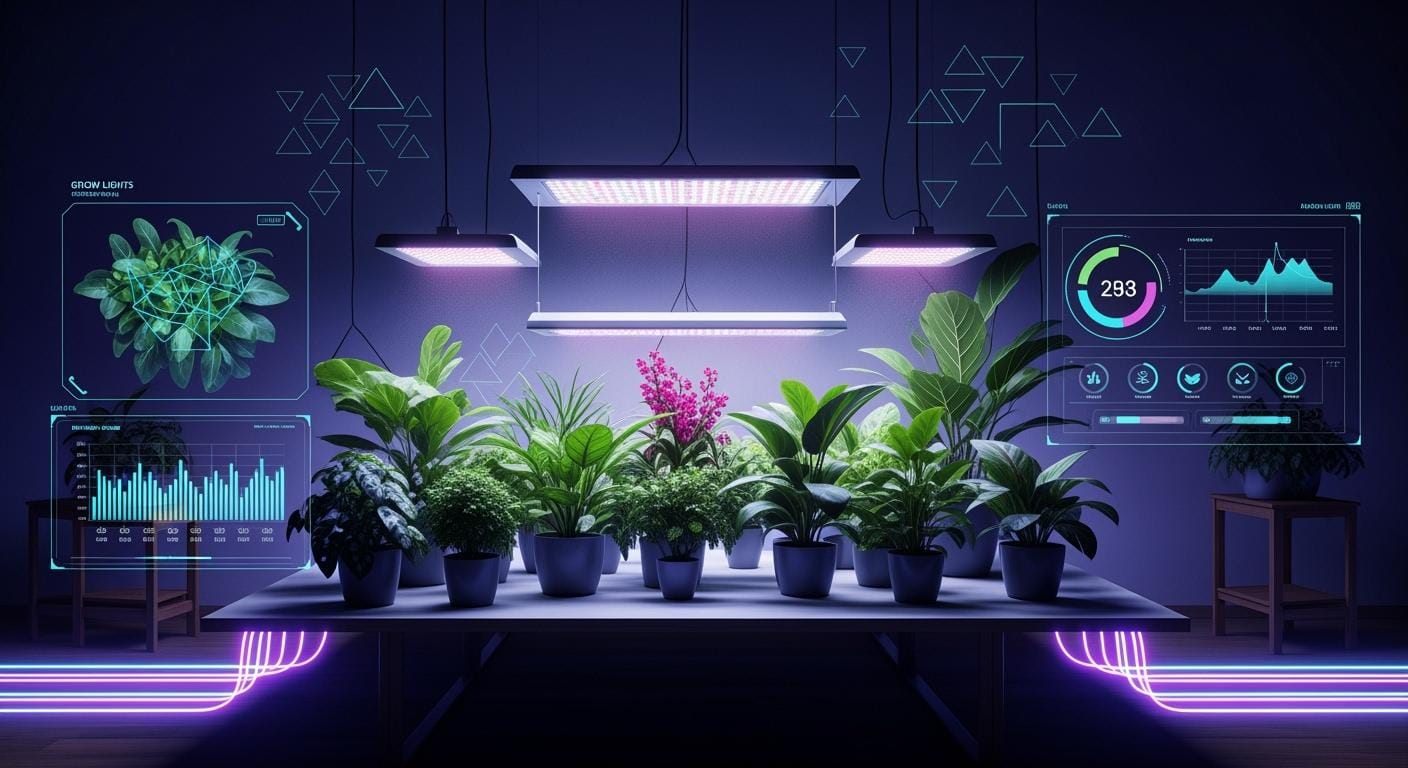
Choosing the best UV light for plants can significantly enhance your indoor gardening experience in 2025. When you utilize the right UV light, your plants can perform photosynthesis more effectively. This leads to stronger growth, increased yields, and overall plant health. Recent studies indicate that certain UV light can boost the production of protective compounds in plants, promoting their vitality. Additionally, the right LED light for plants can help slow down aging and maintain the freshness of your crops for an extended period.
| Benefit of UV Light | Result for Indoor Plants |
|---|---|
| Helps photosynthesis | More crops and stronger plants |
| Produces more protective compounds | Healthier and better plants |
| Maintains storage quality | Plants stay fresh and healthy |
By selecting a high-quality LED grow light, your plants can thrive to their fullest potential. Always consider the type of plant you have, the size of your growing space, and safety factors before purchasing a new LED grow light.
Table of Contents
Key Takeaways
Picking the right UV grow light helps plants grow better and stronger. UV light helps plants make special compounds that protect them. This makes plants healthier and helps them fight off bugs. Choose a grow light that fits your plant, space, and safety needs. The best UV grow lights in 2025 have choices for all budgets. They have features like full spectrum light and save energy. UV light can make your herbs and vegetables taste and smell better. Watch your plants for stress, like yellow leaves or burnt tips. Change the light if you see these signs. Use timers to give your plants the right amount of UV light each day. Safety is very important. Always wear UV-blocking glasses and keep lights far enough away to stay safe. This protects you and your plants.
Best UV Grow Lights for Indoor Plants 2025
Top Picks Overview
If you want your houseplants to thrive, you need the best grow lights with the right UV output. In 2025, you have more choices than ever. The top UV grow lights combine advanced LED grow light technology, full spectrum coverage, and smart features. You can find options for every space and budget.
Here are the best grow lights you should consider for your indoor plants:
- SLTMAKS STG-1000W-F-02: Delivers a powerful full spectrum with UV and IR, perfect for boosting yields and plant health.
- Hytekgro LED Grow Light Panel: Offers energy efficiency and a balanced full spectrum, great for small to medium gardens.
- HLG 600W Blackbird: Known for high output and even coverage, ideal for larger grow spaces.
- Spider Farmer UVIR3016: Features advanced spectrum tuning and UV control for precise plant care.
- MIGRO UVB 310: Specializes in UVB and UVA output, enhancing plant quality and secondary metabolite production.
- VIVOSUN VS1000: Combines affordability with reliable full spectrum performance.
Each grow light panel stands out for different reasons. Some focus on high performance and coverage, while others shine in energy savings or smart controls. You can match the best grow lights to your plant type, grow area, and goals.
The MIGRO UVB 310 is noted for delivering 75% UVB and 25% UVA in its spectrum output, which is ideal for enhancing the production of secondary metabolites like flavonoids and terpenes, thus improving the quality and taste of indoor plants.
SLTMAKS STG-1000W-F-02 Review
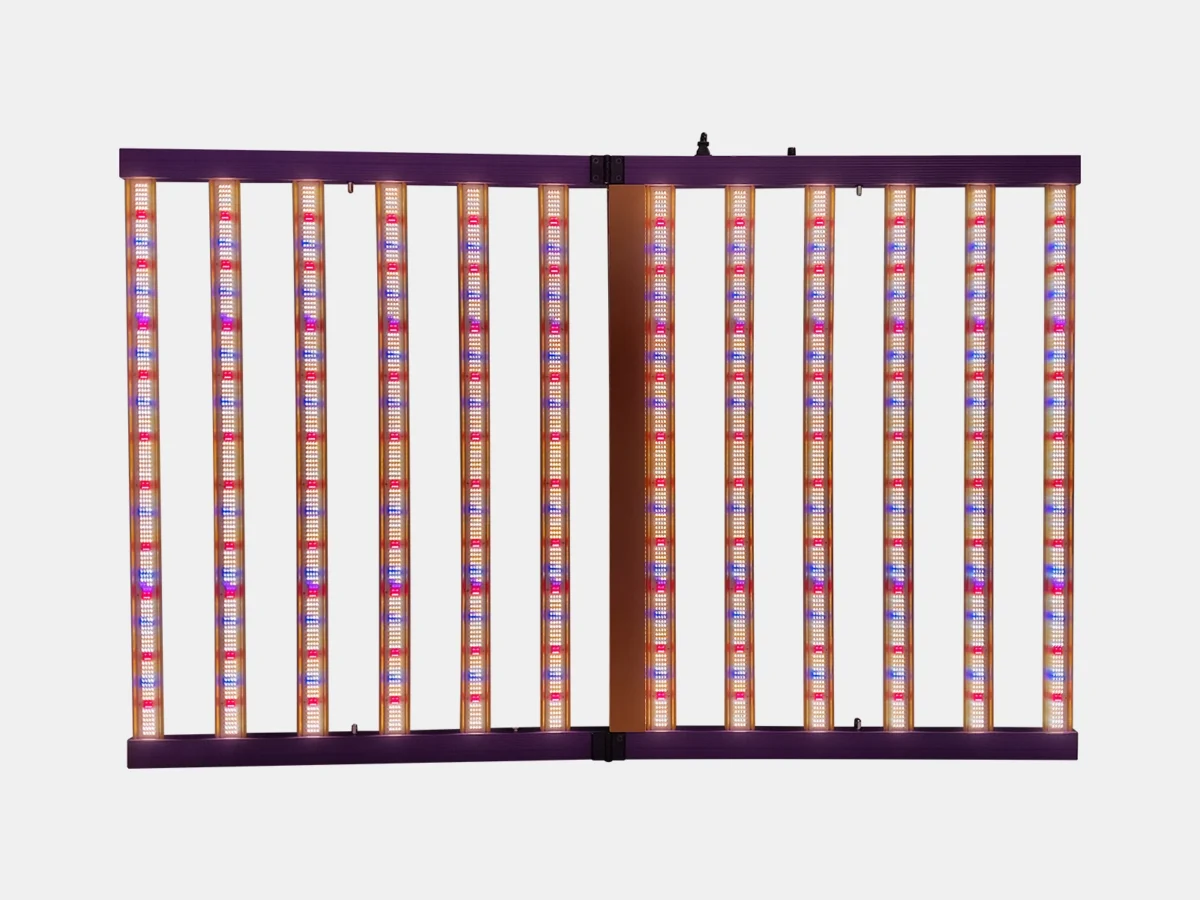
You want a grow light panel that does it all? The SLTMAKS STG-1000W-F-02 might be your answer. This LED grow light brings a full spectrum to your grow room, including UV, IR, red, and blue. You get Samsung white LEDs, Epistar 660nm red, 460nm blue, 395nm UV, and 730nm IR. Your plants receive every wavelength they need for strong growth and big yields.
The STG-1000W-F-02 covers a large area—up to 5×8 feet. You can use it for both small and large indoor gardens. The high lumen output (160,000LM) and efficiency (over 160LM/W) mean your plants get bright, even light. You save on energy bills, too.
This LED grow light panel uses a JLC UL Driver, so you get a wide voltage range and instant start. No flicker, no hum. The heat sink keeps things cool, so your plants stay healthy. You can install it easily—just hang it and connect the driver.
You also get a 3-year warranty. That gives you peace of mind. If you want a full spectrum grow light panel with UV for your houseplants or a bigger crop, the STG-1000W-F-02 stands out as one of the best grow lights for 2025.
Hytekgro LED Grow Light Panel
Looking for a budget-friendly option? The Hytekgro LED grow light panel gives you a full spectrum for healthy plant growth. You get low power consumption, so you save energy while your plants thrive. This panel works well for small to medium indoor gardens.
- The Hytekgro LED grow light panel is energy efficient, utilizing low power consumption.
- It provides a full spectrum of light essential for healthy plant growth.
- The panel has a high effectiveness rating for its price, making it ideal for small to medium indoor gardening setups.
You can use this LED grow light panel for seedlings, leafy greens, or flowering plants. The full spectrum ensures your plants get the UV and visible light they need at every stage. If you want the best grow lights for a smaller space, Hytekgro offers great value and results.
HLG 600W Blackbird
If you want a grow light that gives your plants everything they need, you should check out the HLG 600W Blackbird. This light stands out because it covers both flowering and vegetative stages. You get a full spectrum of light, which means your plants can grow strong and healthy from seedling to harvest. The HLG 600W Blackbird uses a dimmable power supply, so you can adjust the brightness for each stage of growth. This helps you save energy and keeps your plants happy.
One thing you will notice is the passive-cooled design. You do not need to worry about noisy fans or extra heat in your grow room. The light spreads evenly, so every plant gets the same amount of uv and visible light. This even coverage helps your plants grow tall and full. The auto-sensing power supply works with different voltages, making it easy to set up in any space.
Here is a quick look at what makes the HLG 600W Blackbird special:
| Unique Selling Points | Customer Satisfaction Ratings |
|---|---|
| Full spectrum light | 100% positive (4 reviews) |
| Dimmable power supply | |
| Suitable for both flowering and vegetative stages | |
| Reliable passive-cooled design | |
| Better canopy light penetration with diffused light | |
| Auto sensing power supply for multiple voltages | |
| 1 Year Warranty | |
| Superior customer service | |
| Positive feedback on refurbished condition | |
| Overall satisfaction with performance and yield |
You will love the customer service. Many people say they get quick help and answers. The warranty gives you peace of mind. If you want a uv grow light that boosts yield and keeps your plants healthy, the HLG 600W Blackbird is a top choice.
Spider Farmer UVIR3016
The Spider Farmer UVIR3016 gives you control over your indoor garden. This grow light lets you tune the spectrum, so you can give your plants the exact uv and visible light they need. You can adjust the uv output for different plant types or growth stages. This means you can help your plants grow faster, flower better, and even improve their taste.
You get advanced features with the Spider Farmer UVIR3016. The light uses high-quality LEDs that last a long time. You can cover a large area, so it works well for big grow rooms or many plants. The uv and IR settings help you boost plant health and increase yields. You can also use the smart controls to set timers and adjust intensity. This makes it easy to create the perfect environment for your plants.
Many growers like the Spider Farmer UVIR3016 because it is easy to use. You can hang it up quickly and start growing right away. The uv spectrum helps your plants fight off pests and diseases. If you want a smart, flexible grow light with strong uv features, this one is a great pick.
Tip: Try adjusting the uv settings during the flowering stage. You might see bigger buds and better flavors.
MIGRO UVB 310
The MIGRO UVB 310 focuses on giving your plants the right amount of uv light, especially uvb and uva. This grow light is special because it delivers 75% uvb and 25% uva. These wavelengths help your plants make more secondary compounds, like flavonoids and terpenes. You will notice stronger smells, richer flavors, and better quality in your harvest.
You can use the MIGRO UVB 310 with other full spectrum lights. This way, your plants get all the light they need. The uvb and uva boost plant health and help protect against pests. Many growers use this light for special crops that need extra uv to reach their best quality.
The MIGRO UVB 310 is easy to set up. You just hang it above your plants and turn it on for a few hours each day. The uv light works best when you use it during the late vegetative and flowering stages. You will see your plants grow stronger and produce more. If you want to improve the taste and smell of your indoor plants, the MIGRO UVB 310 is a smart choice.
Note: Always wear eye protection when working with uv grow lights. Safety comes first for you and your plants.
VIVOSUN VS1000
If you want a uv grow light that is not expensive, the VIVOSUN VS1000 is a good choice. This LED panel gives your plants all the light they need to grow. It works for seedlings, leafy greens, and flowering plants. The VS1000 uses less energy, so you pay less for electricity.
You can make the light brighter or dimmer with a simple switch. This helps you give your plants the right amount of uv at each stage. The VIVOSUN VS1000 is best for small or medium spaces. If you have a few houseplants or a small garden, this light works well and does not take up much room.
Many people like that it is easy to set up. You just hang it, plug it in, and start growing. The panel does not get too hot, so your plants stay safe. The uv spectrum helps your plants grow faster and stronger. You also get better colors and flavors when you harvest.
Here is what users say about the VIVOSUN VS1000:
| Pros | Cons |
|---|---|
| It saves energy and gives strong light. | The carabiners may not fit every beam. |
| You can change the brightness for different plant stages. | It is not strong enough for big gardens or high yields. |
| The full-spectrum light helps plants at every stage. | Some people did not get all the parts in the box. |
This light gives you a lot for the price. If you want a uv grow light that is simple and affordable, the VIVOSUN VS1000 is a smart pick for 2025.
Comparison Table: Key Specs & Pros/Cons
You might want to see how these uv grow lights compare. This table shows the main features for each model. You can check the wattage, area it covers, price, and light type. This makes it easier to pick the best uv grow light for your plants.
| Model | Price | Coverage Area | Wattage | Light Spectrum |
|---|---|---|---|---|
| SLTMAKS STG-1000W-F-02 | $$$ | 5×8 ft | 1000W | Full-spectrum + uv/IR |
| Hytekgro LED Grow Light Panel | $ | 2×2 ft | 45W | Full-spectrum + uv |
| HLG 600W Blackbird | $$$ | 5×5 ft | 600W | Full-spectrum + uv |
| Spider Farmer UVIR3016 | $$$ | 4×4 ft | 450W | Full-spectrum + uv/IR |
| MIGRO UVB 310 | $$ | 4×4 ft | 30W | uvb + uva |
| VIVOSUN VS1000 | $$ | 3×3 ft | 100W | Full-spectrum + uv |
Let’s look at the main pros and cons for each uv grow light. This list helps you see what is good and what is not for each one.
| Model | Pros | Cons |
|---|---|---|
| SLTMAKS STG-1000W-F-02 | High power, big area, full spectrum, saves energy, lasts long | Costs more at first |
| Hytekgro LED Grow Light Panel | Cheap, saves energy, easy to use, good for small rooms | Not very strong, covers less space |
| HLG 600W Blackbird | Strong light, can dim, spreads light evenly, stays cool | Expensive, too big for small rooms |
| Spider Farmer UVIR3016 | You can change the spectrum, has smart features, covers a big area | Costs more, some features may be hard to use |
| MIGRO UVB 310 | Focuses on uvb/uva, makes plants better, easy to use with other lights | Not good alone, best as an extra light |
| VIVOSUN VS1000 | Cheap, saves energy, can dim, easy to use | Not good for big gardens, some problems with hanging |
Each uv grow light has something special. Some are strong and cover big areas. Others save energy or have special uv features. Think about your plants, your space, and your budget. This will help you choose the best uv grow light for your indoor garden in 2025.
How UV Light for Plants Boosts Growth
Enhanced Growth & Yield
Using uv light helps your houseplants grow better. Many people see their plants grow faster and look stronger. The right uv amount causes special changes inside the plant. You might see bigger leaves and thicker stems. There can also be more flowers or fruit. Science shows how uv light affects plants.
Here is what researchers found:
| Evidence Description | Findings |
|---|---|
| UV light triggers physiological responses in plants | Plants get bigger leaves and grow faster with the right uv amount |
| Threshold intensity for positive effects | 8.3 W/m2 is enough to help plants grow more |
| Role of UVA in photosynthesis | More stomata open, so plants take in more CO2 and grow better |
| Impact of UVB | UVB can slow photosynthesis, but UVA helps some plants more than others |
| Function of UVA photoreceptors | Cryptochromes change plant genes and help parts that make energy |
Uv light works best when you use the right strength. UVA helps plants open up and take in more carbon dioxide. This means your plants can grow bigger and give you more crops. If you want your indoor garden to do well, try adding uv to your lights.
Improved Flavor & Aroma
You may wonder if uv light makes your herbs or veggies taste better. The answer is yes. Uv light helps plants make more special compounds. These compounds give your food a stronger taste and smell. You will notice this when you eat your homegrown food.
See how different plants react to uv light:
| Plant Species | Metabolite Type | Effect of UV Light Exposure |
|---|---|---|
| Glycine max | Phenolic Compounds | More phenolic compounds with blue and UV-A light |
| B. juncea | Carotenoids | Carotenoids go up with uv added to red, blue, and far-red light |
| Beta vulgaris | Tocopherols | Most tocopherols with red, far-red, and blue light |
| Petroselinum crispum | Tocopherols | Tocopherols also rise with certain light mixes |
| B. juncea | Phenols | UV-A helps make more phenols, which act as antioxidants |
| B. juncea | Anthocyanins | No big change in anthocyanins after uv light |
If you grow herbs or greens, you will like the better taste and smell. Uv light helps you get more from your indoor garden.
Pest & Disease Resistance
You want your plants to stay healthy and strong. Uv light can help with this, too. When you add uv, plants build more natural defenses. They make more compounds that protect them from bugs and sickness. Here are some ways uv helps your plants:
- UV-B makes plants create flavonoids that fight pests and diseases.
- Using uv at night can hurt the DNA of plant germs, stopping them from spreading.
- UV light turns on plant defenses, so they resist fungus better.
- Nighttime uv can kill some bugs and germs with safe, low doses.
- UV light helps your plants stay tough and healthy, so they get sick less.
If you want your indoor plants to be safe and strong, uv light is a good idea. Your plants will be healthier and can fight off problems by themselves.
Stronger, Healthier Plants
When you want your indoor plants to look their best, UV light can make a big difference. You might notice your plants growing faster, looking greener, and standing taller. UV light doesn’t just help plants grow; it helps them become stronger and healthier in ways you can see and feel.
Let’s break down what happens when you use UV grow lights:
- Your plants start photosynthesizing more quickly. This means they turn light into energy faster, so you see bigger leaves and thicker stems.
- You’ll spot brighter colors and richer aromas. UV light boosts the production of flavonoids and terpenes, which give plants their unique scents and vibrant hues.
- Roots get a serious upgrade. With UV exposure, your plants develop larger, tougher root systems. These roots help your plants absorb water and nutrients, even when conditions aren’t perfect.
Here’s a quick look at the changes UV light brings to your plants:
| Physiological Change | Description |
|---|---|
| Faster Photosynthesis | UV-A light enhances photosynthesis, leading to improved growth and larger leaves. |
| Improved Resin Production | UV exposure increases flavonoids and terpenes, enhancing plant color, aroma, and protective resins. |
| Boost Root Development | UV light promotes root mass increase, resulting in healthier roots that can thrive in tough conditions. |
You might wonder why these changes matter. When your plants photosynthesize faster, they grow stronger and recover from stress more easily. If you’ve ever seen a plant wilt after a hot day, you know how important resilience can be. UV light helps your plants bounce back and keep growing.
The boost in resin production doesn’t just make your plants look and smell better. These compounds protect your plants from pests and diseases. You’ll notice fewer problems with bugs or mold when your plants have strong natural defenses.
Healthy roots mean your plants can handle changes in water or soil. If you forget to water for a day, tough roots help your plants survive. You get peace of mind knowing your indoor garden can handle a little neglect.
🌱 Tip: Try using UV grow lights for a few hours each day. You’ll see your plants become sturdier and more vibrant over time.
When you combine all these benefits, you get plants that look great and stay healthy. UV light gives your indoor garden the strength it needs to thrive, no matter what challenges come up. If you want plants that grow fast, resist disease, and show off their best colors, UV grow lights are the way to go.
Understanding UV and LED Grow Light Technology
What Is UV Light?
You might wonder what UV light really is. UV stands for ultraviolet, a type of light you cannot see with your eyes. Plants, however, can sense it and use it in special ways. Scientists measure UV light by its wavelength, which tells you how long each light wave is. UV light sits between visible light and X-rays on the spectrum.
Here’s a quick table to help you see how UV light is defined:
| Definition of UV Light | Wavelength Range | Classification |
|---|---|---|
| Ultraviolet (UV) light | 100 nm to 400 nm | UVA (315-400 nm), UVB (280-315 nm), UVC (100-280 nm) |
When you use a led grow light, you often see these UV types listed. Each one affects your plants in a different way. Scientists also use something called Yield Photon Flux Density (YPFD) to measure how much useful light your plants get. This helps you know if your led grow light gives your plants the right amount of energy.
UV light does more than just shine on your plants. It changes how they grow, how they look, and even how they taste. You will notice stronger stems, brighter colors, and sometimes even better flavors when you use a full spectrum led grow light that includes UV.
Types of UV: UVA, UVB, UVC
You will find three main types of UV light in indoor gardening. Each one has a different effect on your plants. Let’s break them down:
| Type | Wavelength (nm) | Effects on Plant Development |
|---|---|---|
| UVA | 315-400 | Promotes growth, flowering, and pigment formation; enhances aroma and color in cannabis and other crops. |
| UVB | 280-315 | Activates natural defense mechanisms; increases THC levels in cannabis; improves skin thickness and pigmentation in other crops. |
| UVC | 100-280 | Used for disinfection; manages molds and pathogens in cannabis and other crops, reducing chemical fungicide use. |
UVA Effects
UVA is the most common type you’ll see in a full spectrum led grow light. It helps your plants grow taller and stronger. You might notice more flowers and deeper colors in your leaves. UVA also boosts the aroma in herbs and the color in fruits. When you use a led grow light with UVA, your plants can look and smell better.
UVB Effects
UVB is a bit stronger than UVA. It helps your plants build up natural defenses. If you grow cannabis, UVB can even increase THC levels. In other crops, UVB makes the skin thicker and the colors brighter. You want to use a led grow light with some UVB if you want your plants to be tough and healthy.
UVC Safety
UVC is not usually found in most led grow light products for indoor gardening. UVC can kill germs and mold, so some growers use it to keep their grow rooms clean. You need to be careful with UVC because it can hurt your skin and eyes. Always follow safety tips if you use a led grow light with UVC.
LED Grow Light Spectrum Explained
When you shop for a led grow light, you will see the term full spectrum everywhere. This means the light covers all the colors and types of light your plants need. A full spectrum led grow light gives you blue, red, green, UV, and even far-red light.
Here’s what each part of the spectrum does for your plants:
- Blue Light (400–500 nm): Helps your plants grow strong stems and thick leaves. It also helps them open their pores to breathe.
- Red Light (600–700 nm): This is the best for photosynthesis. Your plants use red light to grow bigger and flower.
- Green Light (500–600 nm): Not as important for photosynthesis, but it helps light reach the lower leaves.
- Ultraviolet Light (100–400 nm): Helps your plants make special chemicals that protect them and boost nutrition. Too much can be harmful, so balance is key.
- Far-red Light (700–750 nm): Helps your plants stretch and grow towards the light. It also helps some plants flower.
A full spectrum led grow light gives your plants everything they need at every stage. You can use one led grow light for seedlings, leafy greens, or flowering plants. This makes your indoor gardening easier and more successful.
🌟 Tip: Always check if your led grow light is truly full spectrum. The best lights list all the wavelengths they cover, including the different types of uv light.
If you want your plants to thrive, pick a full spectrum led grow light. You will see better growth, stronger plants, and bigger harvests.
Best UV Types for Indoor Plants
When you pick a UV grow light for your indoor garden, you want to know which types of UV work best. Not all UV light is the same. Some types help your plants grow strong and healthy, while others can cause harm if you use too much. Let’s break down what you need to know.
Most indoor gardeners find that UVA (320–400 nm) and UVB (280–315 nm) give the best results. You see these two types in many top grow lights. They each play a special role in helping your plants thrive.
- UVA Light (320–400 nm):
You can use UVA for long periods without hurting your plants. This type of light helps your plants make more secondary metabolites. These are the compounds that give your herbs, fruits, and flowers their strong flavors and bright colors. UVA also helps boost the production of terpenes and flavonoids. These natural chemicals make your plants smell better and taste richer. - UVB Light (280–315 nm):
UVB is a little stronger than UVA. You need to use it carefully, but it brings big benefits. UVB can increase the quality and weight of your flowers. If you grow cannabis, UVB helps boost THC levels. For other plants, UVB toughens leaves and helps them resist stress. Just remember, too much UVB can burn leaves, so always follow the light’s guidelines.
Here’s a quick table to help you compare:
| UV Type | Wavelength (nm) | Main Benefits for Indoor Plants | Safety Notes |
|---|---|---|---|
| UVA | 320–400 | Boosts flavor, color, aroma, and plant health | Safe for daily use |
| UVB | 280–315 | Increases flower quality, weight, and plant resilience | Use in moderation |
You might wonder why you should bother with UV at all. When you add UVA and UVB to your grow lights, your plants get more than just basic growth. They build up natural defenses. You’ll notice your plants resist pests and diseases better. They also handle stress, like changes in temperature or humidity, with more ease.
🌱 Tip: Start with a grow light that offers both UVA and a small amount of UVB. Watch how your plants respond. If you see stronger growth and brighter colors, you know you’ve found the right balance.
Many growers see higher flower quality and bigger harvests when they use the right mix of UVA and UVB. You get more terpenes and flavonoids, which means better taste and smell. Your plants also look healthier and bounce back from stress faster.
If you want your indoor garden to reach its full potential, focus on UVA and UVB. These UV types give you the best mix of safety and results. Skip UVC for plant growth—it’s best left for cleaning and sterilizing, not for helping your plants grow.
In short, UVA and UVB are your best friends in the world of indoor gardening. Choose a grow light that includes both, and you’ll see your plants thrive.
Best Grow Lights: Product Comparison
Quick Comparison Table
You want to see how the top UV grow lights stack up? This table gives you a quick look at the most important details. You can compare spectrum, coverage, efficiency, and price side by side.
| Model | Spectrum Type | Coverage Area | Efficiency (LM/W) | Price |
|---|---|---|---|---|
| SLTMAKS STG-1000W-F-02 | Full + UV/IR | 5×8 ft | 160+ | $$$ |
| Hytekgro LED Grow Light Panel | Full + UV | 2×2 ft | 100+ | $ |
| HLG 600W Blackbird | Full + UV | 5×5 ft | 150+ | $$$ |
| Spider Farmer UVIR3016 | Full + UV/IR | 4×4 ft | 140+ | $$$ |
| MIGRO UVB 310 | UVB + UVA | 4×4 ft | 90+ | $$ |
| VIVOSUN VS1000 | Full + UV | 3×3 ft | 120+ | $$ |
💡 Tip: Look at both coverage and efficiency when picking a grow light. Bigger coverage means you can grow more plants at once.
Key Features at a Glance
Each grow light brings something special to your indoor garden. Here’s what stands out for each model:
- SLTMAKS STG-1000W-F-02: High power, full spectrum, and UV/IR for maximum yield. Covers large spaces and saves energy.
- Hytekgro LED Grow Light Panel: Budget-friendly, easy to use, and great for small gardens or beginners.
- HLG 600W Blackbird: Strong light, dimmable, and even coverage. Perfect for bigger grow rooms.
- Spider Farmer UVIR3016: Adjustable spectrum and smart controls. Lets you fine-tune light for each plant stage.
- MIGRO UVB 310: Focuses on UVB and UVA. Boosts plant quality and works well with other lights.
- VIVOSUN VS1000: Affordable, energy-saving, and simple to set up. Good for small to medium spaces.
You can match these features to your own needs. Do you want more power, more control, or just something easy to use? There’s a light for every grower.
Pros & Cons Summary
You want to know the ups and downs before you buy. Here’s a quick summary of the main pros and cons for each type of UV grow light:
| Grow Light Type | Pros | Cons |
|---|---|---|
| LED UVB Grow Lights | Most energy-efficient, long lifespan, precise spectrum control, compact design | Higher upfront cost, smaller coverage per fixture |
| HID UVB Grow Lights | Intense UVB, good coverage, works with light movers, many options | Uses more energy, gets hot, shorter lifespan, needs safety steps |
| Fluorescent UVB Grow Lights | Energy-saving, cost-effective, many sizes, decent lifespan | Lower UVB intensity, needs to be close to plants, can get warm |
📝 Note: LED UVB grow lights give you the best mix of efficiency and control. If you want to save on power bills and get the most out of your plants, LEDs are a smart choice.
When you look at these pros and cons, think about your space, your budget, and how much control you want. You can pick the grow light that fits your goals and helps your plants thrive.
Choosing the Right UV Grow Lights
Spectrum & Wavelengths
When you pick a led grow light, you want to make sure your plants get the right colors of light. Plants use a special range called full spectrum, which covers blue, red, and sometimes far-red light. Each color helps your plants in a different way.
- Blue light (400-450 nm) helps your plants grow strong stems and healthy roots.
- Red light (600-700 nm) helps your plants flower and make fruit.
- Far-red light (700-850 nm) can help some plants flower faster and make more fruit.
If you use only one color, your plants might not grow well. A balanced mix of blue and red light keeps your plants from stretching too much and helps them stay compact. Full spectrum led grow lights give your houseplants everything they need for every stage of growth.
Here’s a quick table to show how each color helps your plants:
| Wavelength Range (nm) | Light Color | Effect on Plants |
|---|---|---|
| 400-450 | Blue | Makes strong stems, controls leaf size, and helps roots grow |
| 600-700 | Red | Boosts flowering, helps plants make fruit, and increases plant size |
| 700-850 | Far-red | Helps some plants flower and make more fruit, especially short-day types |
When you choose a full spectrum led grow light, you help your plants grow better and look healthier.
Coverage & Intensity
You want your led grow light to cover all your plants. If your light does not reach every leaf, some plants will not grow as well. Coverage means how much space your light can reach. Intensity means how bright the light is for your plants.
- Make sure your led grow light covers your whole garden. If you have a big area, you might need more than one light.
- If your light is too weak, your plants can get tall and thin. They might not make much fruit or flowers.
- Place your led grow light at the right height. As your plants grow, move the light up so every plant gets enough light.
When you use the right coverage and intensity, your plants get enough energy to grow strong. This is very important for indoor gardening. You want every plant to get the same amount of light, so they all grow at the same speed.
Adjustability & Controls
Modern led grow lights come with smart features that make growing easier. You can change the light’s color, brightness, and schedule. Some lights let you use a remote or an app on your phone.
- You can set timers to turn your led grow light on and off.
- You can change the brightness for different plant stages.
- Some lights let you control blue, red, and UV channels by themselves.
- Smart systems let you adjust your lights from anywhere.
Here’s a table to show some helpful features:
| Feature | Benefit |
|---|---|
| Spectrum Control | Lets you pick the best light for each plant stage |
| Smart Control Systems | Lets you set schedules and change brightness remotely |
| Multiple Controllable Channels | Lets you adjust blue, red, and UV/IR for different growth |
Full spectrum led grow lights with these controls help you mimic natural sunlight. Your plants get the right light at the right time. You can help your plants adapt better and grow healthier. If you want the best results, look for led grow lights with easy controls and adjustable settings.
🌱 Tip: Try using a timer or app to set your led grow light schedule. This helps your plants get a steady routine and grow even better.
Safety Features
When you use UV grow lights, safety should always come first. UV rays can help your plants, but they can also harm your eyes and skin if you do not take the right steps. You want to protect yourself and your plants every time you work in your grow space.
Here are some important safety tips to follow:
- Always wear protective glasses designed for UV light. Regular eyeglasses or contacts do not block UV rays.
- Use a full-face shield with UV certification if you spend a lot of time near your grow lights.
- Cover your skin with a lab coat, long pants, and closed-toe shoes. Make sure your face, neck, hands, and arms stay protected.
- Keep the grow light at the right distance from your plants. Too much UV can stress or burn them.
- Choose grow lights that let you control the UV output. This helps you avoid giving your plants or yourself too much exposure.
⚠️ Tip: Never look directly at a UV grow light when it is on. Protect your eyes and skin every time you check your plants.
Energy Efficiency & Lifespan
You want a grow light that saves energy and lasts a long time. LED UV grow lights stand out because they use much less electricity than older types like HID or fluorescent lights. You can run a 600-watt LED system for 12 hours a day and only spend about $25 to $35 each month on electricity. If you use a smaller 300-watt LED, your monthly cost drops to around $13.
LED grow lights also last much longer than traditional lights. Most high-quality models work for over 50,000 hours. That means you can use the same light for five to seven years without losing brightness or needing a replacement.
Here’s a quick look at how LED UV grow lights compare:
| Light Type | Energy Use | Average Lifespan | Monthly Cost (12h/day) |
|---|---|---|---|
| LED UV Grow | 50-70% less | 50,000+ hours | $13–$35 |
| HID | High | 10,000–20,000 hours | $30–$70 |
| Fluorescent | Moderate | 15,000–30,000 hours | $20–$40 |
You save money on your power bill and spend less on replacements when you choose LED UV grow lights. They are the most energy-efficient option for indoor gardening.
Budget & Value
You want the best results for your plants without breaking the bank. When you shop for UV grow lights, think about both the upfront price and the long-term value. Some lights cost more at first but save you money over time because they use less energy and last longer.
Here are a few things to consider:
- Look for lights with a good warranty. This protects your investment if something goes wrong.
- Check the coverage area. A light that covers more space can save you from buying extra units.
- Compare energy use. Lower wattage lights with high efficiency can cut your monthly bills.
- Think about features like adjustable spectrum and smart controls. These can help you get better results and avoid wasting energy.
💡 Note: Sometimes, spending a little more on a quality LED UV grow light pays off in the long run. You get better plant growth, lower energy costs, and fewer headaches.
Choosing the right UV grow light means balancing your budget with your goals. Pick a light that fits your space, keeps your plants healthy, and gives you the best value for your money.
Using UV Grow Lights Safely & Effectively
Recommended Duration & Timing
You want your plants to get just the right amount of light each day. If you use uv grow lights, timing matters a lot. Plants need different light schedules depending on their growth stage. When you set up your lights, think about how long your plants should soak up those rays.
Here’s a quick guide to help you plan:
| Growth Stage | Recommended Light Duration |
|---|---|
| Seedling Stage | 16–18 hours per day |
| Vegetative Stage | 18–24 hours per day |
| Flowering Stage | 12 hours per day |
You can also follow these simple rules:
- Seedlings do best with 18–20 hours of light each day.
- Vegetative plants like 16–18 hours.
- Flowering and fruiting plants need 12–14 hours.
Try to keep your schedule steady. Use a timer if you want to make things easier. Your plants will grow stronger when they get consistent light every day.
🌱 Tip: Give your plants a break from light at night. This helps them rest and keeps their growth balanced.
Setting Intensity Levels
You might wonder how bright your uv grow lights should be. If you set the intensity too high, your plants can get stressed or burned. If the light is too weak, they might stretch and look thin. You want to find the sweet spot for each stage.
Start with lower intensity for seedlings. Young plants need gentle light. As your plants grow, you can turn up the brightness. During the vegetative stage, increase the intensity to help leaves and stems grow thick. When your plants start to flower, keep the light strong but watch for signs of stress.
Many modern lights let you adjust the brightness. Use the dimmer or control panel to change the settings. If your plants look pale or scorched, lower the intensity. If they look tall and weak, raise it a bit.
💡 Tip: Check your plants every few days. Healthy leaves look green and firm. If you see yellow spots or curling, adjust your light settings.
Placement & Distance
Where you put your uv grow lights makes a big difference. If you hang them too close, your plants can burn. If they’re too far away, your plants might not get enough light. You want to find the right height for your setup.
Here’s a table with some helpful placement tips:
| Aspect | Recommendation |
|---|---|
| UV Light Exposure Duration | Limit UV exposure to 8–10 hours a day for most plants. |
| Distance from Lamp | Hang lights high enough to avoid scorching but close enough for bright leaves. |
| Safety Measures | Wear UV-blocking glasses and protective clothing when working near lights. |
| Ventilation | Keep your grow area well-ventilated to protect plants and yourself. |
| Regular Inspections | Check cables, fixtures, and bulbs often for damage or wear. |
Most growers hang their lights 12–24 inches above the plant canopy. You can adjust the height as your plants grow taller. If you see leaves curling or turning brown, move the lights up. If your plants look stretched, lower the lights a little.
👀 Note: Always check your setup before turning on your lights. Good placement keeps your plants healthy and makes indoor gardening safer for you.
User & Plant Safety Tips
When you use UV grow lights, safety matters for you and your plants. You want to enjoy healthy growth without risking your eyes, skin, or your garden. Here are some easy tips to keep everyone safe.
Protect Yourself First
- Always wear UV-blocking glasses. Regular sunglasses do not work. You need special glasses that block UV rays.
- Cover your skin. Long sleeves, pants, and gloves help protect you from UV exposure. If you spend a lot of time near your lights, think about using a lab coat or gardening apron.
- Never look directly at a UV grow light. Even a quick glance can hurt your eyes.
- If you adjust or clean your lights, turn them off first. This keeps you safe from accidental exposure.
⚠️ Tip: If you feel your skin tingling or your eyes hurting, leave the grow room right away. UV light can cause damage before you notice it.
Keep Your Plants Safe
- Place your lights at the right distance. Too close can burn leaves. Too far can make plants stretch and look weak.
- Limit UV exposure. Most plants do best with 8–10 hours of UV light each day. If you use more, you might see leaf spots or slow growth.
- Watch for signs of stress. Brown edges, curled leaves, or faded colors mean your plants get too much UV.
- Use timers to control light schedules. This helps your plants rest and recover.
Safety Table for Quick Reference
| Safety Step | Why It Matters |
|---|---|
| Wear UV-blocking glasses | Protects your eyes from UV damage |
| Cover your skin | Prevents burns and irritation |
| Set correct light distance | Avoids plant burns and weak growth |
| Use timers | Keeps plants on a healthy schedule |
| Check for stress signs | Stops problems before they get worse |
You want your indoor garden to thrive. When you follow these safety tips, you protect yourself and your plants. You get better results and enjoy your growing experience.
🌱 Note: Safe habits make indoor gardening fun and worry-free. Take a few minutes to check your setup before you start each day.
Tips for Maximizing Results with UV Grow Lights
Combining UV & Full Spectrum
You want your plants to get the best light possible. When you combine UV with full spectrum lighting, you give your plants everything they need to grow strong. Full spectrum lights cover all the colors your plants use, from blue to red. UV adds an extra boost. It helps your plants make more natural chemicals. These chemicals protect your plants and make them taste better.
Try this simple routine:
- Use full spectrum lights as your main source.
- Add UV light for a few hours each day, especially during the flowering stage.
- Watch how your plants respond. If they look healthy and vibrant, you found the right balance.
🌱 Tip: Start with short UV sessions. Increase the time slowly if your plants look happy.
Adjusting for Plant Types
Not all plants need the same amount of UV. Some houseplants love extra light, while others prefer less. You should check what your specific plants like before you change your setup.
Here’s a quick guide:
| Plant Type | UV Needs | Notes |
|---|---|---|
| Leafy greens | Low to moderate | Too much UV can stress them |
| Flowering plants | Moderate to high | UV boosts blooms and aroma |
| Succulents/cacti | High | Thrive with more UV exposure |
| Herbs | Moderate | UV improves flavor and oils |
If you grow different plants together, try to group them by their light needs. Move lights closer or farther away as needed. Always check your plants for signs of stress, like brown spots or curled leaves.
Troubleshooting Common Issues
Sometimes, things don’t go as planned. You might see slow growth, pale leaves, or burnt tips. Don’t worry. You can fix most problems with a few simple steps.
- If leaves look pale or plants stretch, increase the light intensity or lower the lamp.
- If you see brown spots or crispy edges, reduce UV exposure or raise the light.
- Plants not flowering? Try adding more UV during the bloom stage.
- If you notice mold or pests, check your ventilation and keep the area clean.
🚨 Note: Always wear UV-protective glasses when you work near your lights.
You can keep your indoor garden healthy by watching your plants and making small changes. With the right mix of light and care, your plants will thrive.
You want your houseplants to thrive, and UV grow lights can help you get there. These lights boost growth, improve flavor, and make plants stronger. Each top pick offers something special, from big coverage to smart controls. Match your grow light to your plant type, space, and safety needs. Need more help? Check the comparison table or FAQs for quick answers.
Remember, the right light makes all the difference for your indoor garden!
FAQ
How do you choose the best UV grow light for your indoor garden?
You should look at the light spectrum, coverage area, and controls. Pick a light that fits your space and matches your plant needs. Check for safety features and energy efficiency.
Can UV grow lights harm your plants?
If you use too much UV, your plants can get burned or stressed. Always follow the manufacturer’s guidelines. Adjust the distance and duration to keep your plants healthy.
Do UV grow lights work for all types of houseplants?
Most houseplants benefit from UV grow lights. Some plants need less UV, while others thrive with more. Always check what your specific plant prefers before you set up your lights.
How long should you run UV grow lights each day?
You should run UV grow lights for 8 to 10 hours daily. Use a timer to keep the schedule steady. Give your plants time to rest at night.
What safety steps should you take when using UV grow lights?
Wear UV-blocking glasses and cover your skin. Never look directly at the light. Keep the lights at the right distance from your plants. Turn off the lights before you adjust or clean them.
Can you use UV grow lights with other types of grow lights?
Yes, you can combine UV grow lights with full spectrum lights. This mix helps your plants grow stronger and improves flavor and color. Start with short UV sessions and watch how your plants respond.
How do you know if your plants get too much UV light?
Look for brown spots, curled leaves, or faded colors. If you see these signs, lower the intensity or raise the light. Healthy plants look green and firm.
Do UV grow lights help prevent pests and diseases?
UV grow lights boost plant defenses. Your plants make more protective compounds. This helps them resist pests and diseases better.