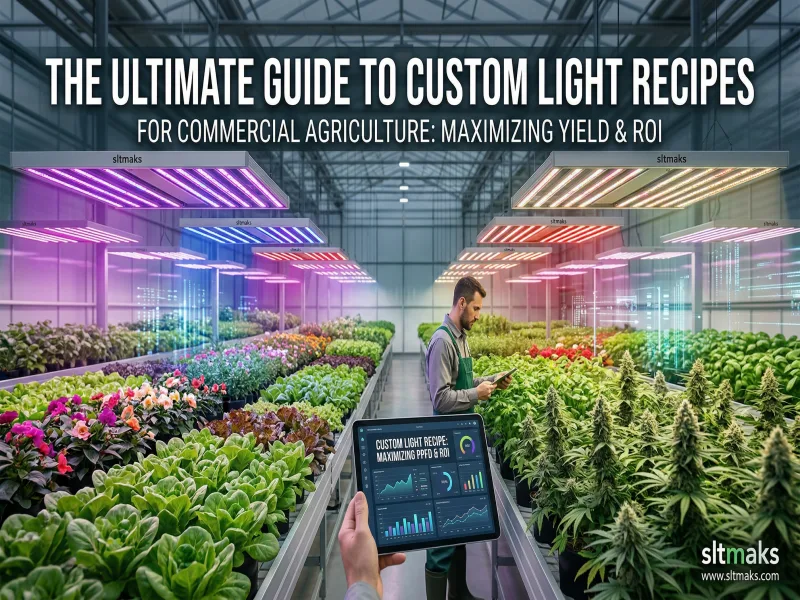
In the competitive landscape of controlled environment agriculture (CEA), lighting is no longer just about basic illumination; it is a highly precise agricultural input. For commercial greenhouses, vertical farms, and large-scale cannabis cultivation facilities, deploying the right lighting strategy is the difference between marginal survival and market dominance.
Custom light recipe innovations now help specialty crops grow better and more efficiently than ever before. Programmable LED systems let growers change the color, brightness, and timing of light for each specific crop. This flexible lighting helps crops increase photosynthetic rates and achieve superior morphological quality.
As a premier commercial LED grow light manufacturer, SLTMAKS understands the exact engineering and agronomic requirements of large-scale facilities. This comprehensive guide explores the deep science of customizable spectrums, the financial impact of precision lighting on commercial operations, and how integrating dynamic LED solutions from a trusted B2B partner can transform your cultivation profitability.
Table of Contents
The Agronomic Science Behind Custom Light Recipes
A custom light recipe is a scientifically formulated plan for using different colors (spectrums), strengths (intensities), and times (photoperiods) of light. Growers use it to help each crop achieve its maximum genetic potential. Understanding how plants respond to specific wavelengths is the foundation of precision cultivation.
Decoding the Photosynthetically Active Radiation (PAR) Spectrum
Light is very important for specialty crop production, and growers use custom light recipes to precisely control spectrum, intensity, and timing. Each part helps plants grow and develop in its own unique way. The spectrum specifically refers to the color of the light.
- Blue light (400-500 nm): Crucial for the vegetative stage, blue light helps seedlings grow strong and stay short. It stops stems from getting too long and makes leaves thicker. Furthermore, blue light helps plants make more vitamins and anthocyanins.
- Red light (600-700 nm): The primary driver of photosynthesis. Red light makes stems longer and helps plants grow and make more sugar. It makes plants bigger and helps leaves expand during the vegetative stage. Red light helps plants stay short and flower well, which ultimately gives more fruit.
- Green light (500-600 nm): Often misunderstood, green light penetrates deep into the plant canopy. Green light helps plants make more dry matter and sugar. It ensures light reaches all leaves and makes growth even across the crop.
- Far-red light (700-850 nm): Operating just outside the visible PAR range, far-red light triggers the Emerson effect. Far-red light makes cells stretch and helps plants flower. This helps some plants flower much faster.
- Ultraviolet (UV) light (10-400 nm): UV light induces a stress response that makes plants produce more pigment and other defensive secondary compounds. UV LED light makes plants stronger and helps fight disease.
Managing Intensity and Photoperiod in Commercial Settings
Intensity shows how much light hits the plants. Commercial growers measure this in Photosynthetic Photon Flux Density (PPFD). High intensity, over 400 μmol/m²·s, helps plants grow bigger. Conversely, lower intensity helps some crops make more chlorophyll and carotenoids. Growers must change intensity to fit what each crop needs at different times.
Timing, or photoperiod, controls when plants transition from vegetative growth to flowering and making fruit. Good timing helps crops grow their best. For example, the right lighting times help crops get more yield and quality.
Advanced Cannabis Cultivation: Spectral Steering for Cannabinoids and Terpenes
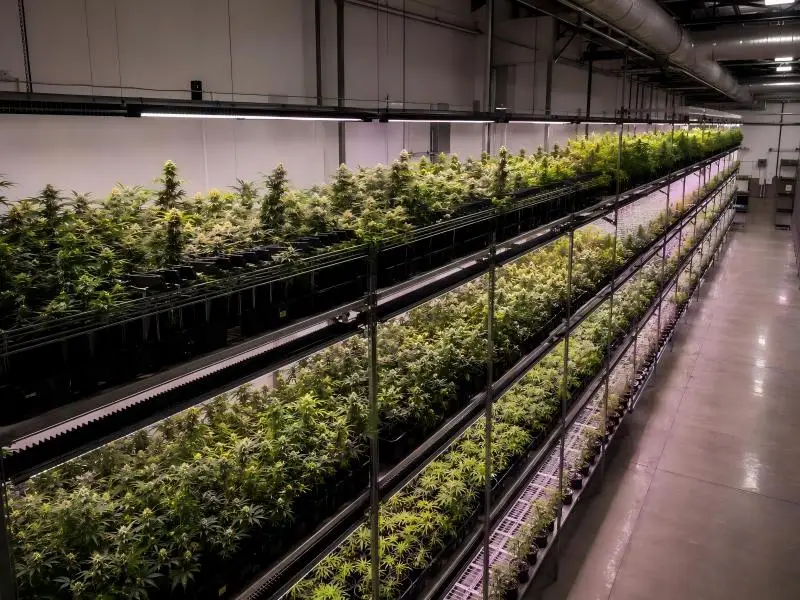
For multi-state operators (MSOs) and commercial cannabis cultivators, light is the primary driver of secondary metabolite production. A specialized cannabis lighting recipe lets growers strictly control light color, strength, and timing. This helps each cannabis plant grow as well as it can.
Maximizing Yield and Chemical Profiles
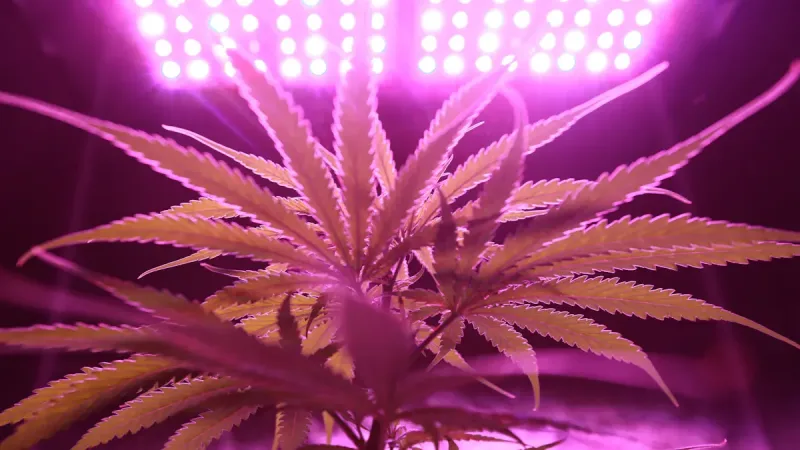
Custom light recipes fit the distinct needs of each cannabis strain. Growers change the light for every stage of growth; this makes flowers develop better and significantly increases resin and terpene amounts. As a result, growers get more yield and better quality with a customized cannabis lighting recipe.
Potency directly goes up because the right light boosts cannabinoid and terpene levels. Flowers become more uniform, and their smell gets stronger. By changing the cannabis lighting recipe for each specific type, growers can alter terpene profiles and make special, highly sought-after products. This level of control is vital for medical and recreational cannabis markets.
Cultivation Tip: Changing the cannabis lighting recipe during the late flowering stage by introducing specific UV or blue light stresses can boost terpene and resin production dramatically.
Precision Environmental Control
Cannabis thrives when lighting is perfectly matched to environmental inputs. To push maximum PPFD, growers must supplement with CO2. Facilities must raise CO2 to 800–1,200 ppm. This helps plants use the extra light to grow bigger and faster. Cultivators should use full spectrum LED grow lights, hang them at the right height, and tightly control heat to keep plants healthy under these intense conditions.
Commercial Greenhouse and Vertical Farming Applications
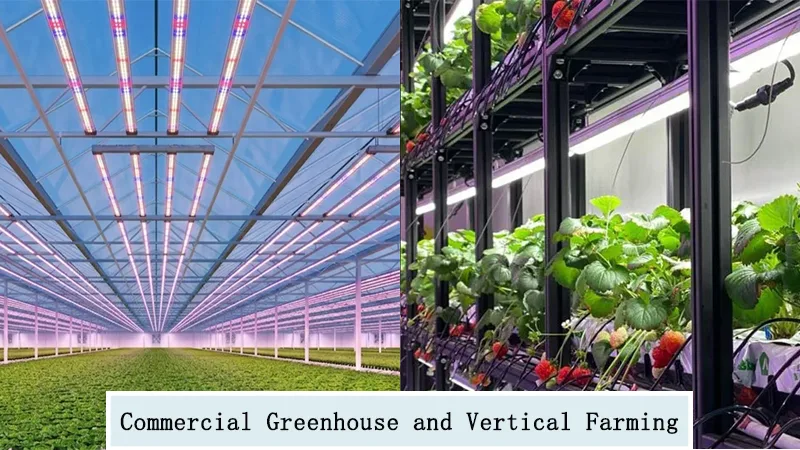
Custom light recipes are not just for cannabis; growers now use these sophisticated systems for many specialty crops.
Leafy Greens, Microgreens, and Herbs
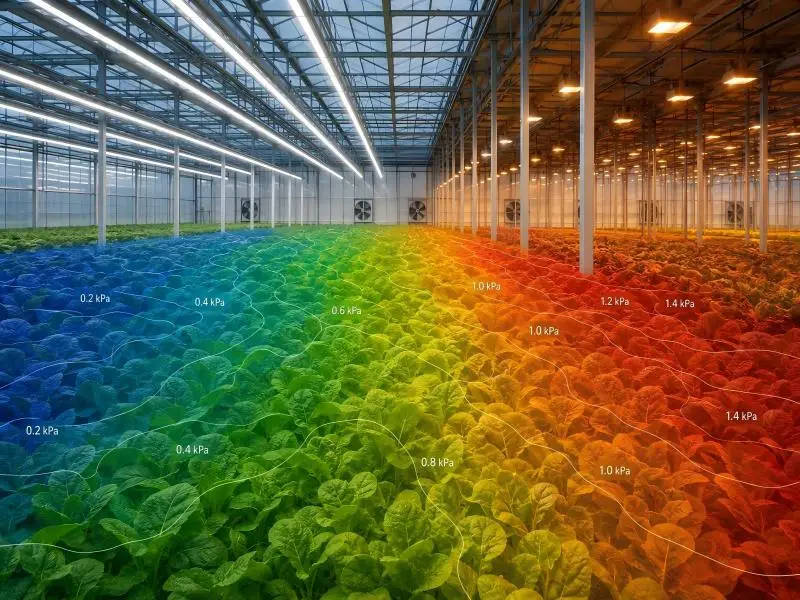
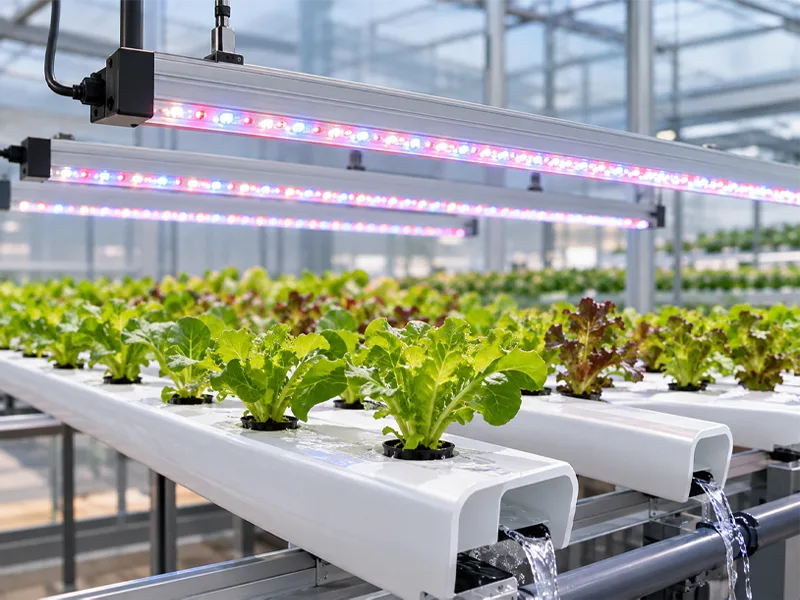
Custom light recipes have completely changed how leafy greens and microgreens are grown indoors. Growers now use special LED lights to get more crops and make them healthier. The research is conclusive:
- Flores et al. (2024) found that certain LED settings help crops grow better and make more good compounds.
- Islam et al. (2019) showed that a little salt stress combined with LED lights made wheat microgreens have more healthy compounds.
- Samuolienė et al. (2019) found that adding nutrients and using custom LED lights gave Brassicaceae microgreens more important nutrients.
- Ranjitha et al. (2023) showed that using LED lights before harvest made plants bigger and gave them more flavonoids, while using special lights after harvest kept them fresh.
Floriculture and Ornamental Crops
Custom LED lighting makes flowers and ornamental plants look better and be worth more on the wholesale market. Red and blue light specifically help roses and chrysanthemums grow and make more food. Studies on commercial roses show that custom LED lights help plants use more nutrients and grow better for longer periods. Furthermore, using other colors like purple, green, and far-red helps plants use more nitrogen and make more amino acids.
Engineering B2B Horticultural Lighting: The sltmaks Advantage
When sourcing industrial LED greenhouse lighting, facility directors must look beyond basic wattage. As a dedicated manufacturer, sltmaks engineers fixtures designed for the rigorous demands of commercial agriculture.
Why Customization Matters at Scale
Plants react to light in different ways, so one single recipe does not work for all. Advanced LED technologies let commercial growers change the spectrum for each distinct growth stage. Using the right spectrum and intensity ensures plants use light better. Customization also helps tightly balance spectrum and intensity, so crops do not lose yield during transitional phases. Custom light recipes let growers change plans dynamically as crops need.
Programmable and Dynamic LED Systems
Programmable LED systems have radically changed how commercial growers use light for specialty crops. These systems utilize smart controls to change the color, brightness, and timing of light. Growers can make specific recipes for each crop that perfectly fit what the plants need.
Tunable LED lighting allows facility managers to change the light color anytime. They can deploy more blue light when plants are young and switch to more red light when plants transition to flower. Dynamic LED lighting platforms let growers automatically adjust the light for each type of plant. These systems use advanced sensors to constantly check light and plant growth. The lighting changes in real time, so plants always get the absolute best light.
CAPEX, OPEX, and Maximizing Cultivation ROI
For B2B buyers, the decision to upgrade to advanced lighting systems is fundamentally an economic one. Lighting represents a massive part of indoor farm operational expenses, typically about 25-30%.
Unprecedented Energy Efficiency
Switching from legacy High-Pressure Sodium (HPS) to LED lighting helps save massive amounts of energy. LEDs create significantly more light for each unit of electricity consumed. Modern LED systems give 2.5-3.0 micromoles per joule, whereas outdated HPS systems only give 1.7-2.1 micromoles per joule. This necessary switch cuts electricity costs by 30-40%.
LED systems use less energy and can cut energy costs by 40%. This helps large-scale growers save money and simultaneously get more crops. Advanced LED greenhouse lighting systems are very efficient, reaching up to 4.1 μmol/J. This means less energy is wasted as heat and more usable light goes directly to the plants. Dynamic control saves energy and cuts down on waste, so commercial farms work better and are much better for the environment.
Reducing Ancillary HVAC and Water Costs
The benefits of custom light recipes extend to broad resource management. Water use drops drastically, by up to 95%, because LEDs make very little radiant heat compared to HPS. Hydroponic LED grow lights specifically help facilities save up to 90% water. Because the thermal load is reduced, HVAC infrastructure requires less CAPEX to install and less OPEX to run. Growers use only the exact energy, light, and nutrients needed, ensuring that nothing is wasted.
Calculating the Payback Period
Figuring out the exact return on investment for custom lighting needs several steps. Equipment costs must include both running and fixing the lights, and growers use careful estimates from market data to find accurate payback times. However, the math is compelling: yield goes up by 10% to 50% with advanced lighting systems. Combined with lower maintenance costs because LEDs last longer and need fewer replacements, growers who buy energy-saving lighting get their initial investment back faster and earn more over the lifecycle of the facility.
System Integration: Data, AI, and Automation
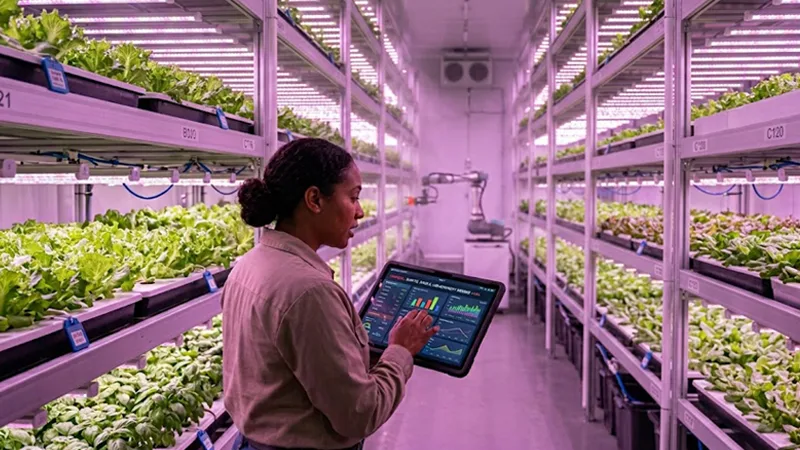
The modern commercial farm operates on data. Data-driven growing lets farm managers watch plants and act fast, which makes work easier and helps them earn more money.
The Role of IoT and AI
Artificial intelligence and automation make precision cultivation work significantly better. AI-powered systems constantly collect data from sensors placed around the farm. These sensors diligently check light, temperature, humidity, and soil moisture. The centralized control system uses this data to automatically change LED greenhouse lighting and other critical controls.
AI-integrated smart LED systems give unprecedented real-time control. These dynamic systems change light output based on continuous feedback from the environment, which helps plants grow better and lowers operating costs. Dynamic LED lighting systems use AI to change the color and brightness precisely based on real-time feedback.
Workflow Automation for Scale
Automation tools make daily farm jobs much easier and faster. Automated systems reliably change light color and strength for each crop zone. This means drastically less manual work for people and far fewer costly mistakes. Sensors check what plants need every hour, and the system autonomously changes the light recipe using that sensor data.
Automation and programmable LED greenhouse lighting systems help effectively manage exceptionally big farms. Growers using custom light recipes report significantly easier work and less manual labor overall.
Partner with sltmaks for Industrial Lighting Solutions
The commercial horticultural lighting market requires robust, reliable, and highly efficient hardware backed by deep manufacturing expertise. Buying programmable LED technology helps large-scale farms meet strict market needs. A custom light recipe lets any farm get exceptionally good results every single time, no matter how big or small they are.
As your dedicated manufacturing partner, SLTMAKS provides the B2B horticultural lighting solutions required to scale your operations safely, maximize your canopy yields, and drive down your cost per gram or cost per head.
Ready to upgrade your commercial facility’s lighting infrastructure?
FAQ
What is a custom light recipe?
A custom light recipe is a plan for using different colors, strengths, and times of light. Growers use it to help each crop grow better. Programmable LED systems make these recipes easy to use.
How do custom light recipes increase profits?
Custom light recipes help crops grow faster and healthier. Growers get more yield and better quality. This means they can sell more and waste less. Energy savings also lower costs.
Are custom light recipes only for indoor farms?
No. Greenhouses, vertical farms, and even some outdoor growers use custom light recipes. Programmable LEDs work in many places. Growers can adjust light for any crop or space.