Introduction: The Delicate Balance of Greenhouse Lighting
In the rapidly evolving landscape of modern commercial horticulture, achieving consistent, year-round crop production is the ultimate goal for greenhouse operators and commercial farmers. While natural sunlight remains the most cost-effective and fundamental energy source for photosynthesis, its inherent unpredictability presents a significant challenge. Seasonal changes, unpredictable weather patterns, geographical limitations, and even the structural shading of the greenhouse itself can result in suboptimal light conditions. To bridge this gap, the adoption of LED supplemental lighting has become not just an option but a critical necessity for maintaining high yields and superior crop quality.
However, a common and costly misconception in commercial cultivation is the belief that “more light is always better.” Driven by the desire to maximize production, some growers indiscriminately increase the intensity and duration of their supplemental lighting, failing to account for the dynamic nature of the sunlight already entering the greenhouse. This uncalibrated approach can push plants beyond their physiological limits, triggering a detrimental phenomenon known as photoinhibition.
Photoinhibition is a silent killer of commercial profits. It occurs when the light energy absorbed by a plant’s leaves exceeds its capacity to process that energy through photosynthesis. Instead of fueling growth, this excess energy damages the photosynthetic machinery, leading to stunted development, reduced yields, and compromised crop quality. Furthermore, running high-intensity lights when they are not biologically necessary results in astronomical and wasted electricity costs, directly eroding the bottom line.
The key to unlocking maximum agricultural profitability lies not in overpowering the sun, but in working harmoniously with it. This comprehensive guide will delve deep into the scientific principles of photoinhibition, exploring its causes and consequences in a commercial setting. More importantly, we will outline the scientific methods and advanced control strategies required to achieve the perfect integration of natural sunlight and LED supplemental lighting. As a professional manufacturer of commercial plant grow lights, SLTMAKS is dedicated to providing growers with the knowledge and cutting-edge technology needed to optimize light environments, ensure energy efficiency, and cultivate healthier, more productive crops.
Table of Contents
Understanding Photoinhibition: The Invisible Threat in Commercial Cultivation
To effectively prevent photoinhibition, it is essential to understand the intricate biological mechanisms that govern this process. Photosynthesis is a complex biochemical process driven by two primary protein complexes located in the thylakoid membranes of chloroplasts: Photosystem I (PSI) and Photosystem II (PSII). PSII is the first link in the photosynthetic chain and is particularly vulnerable to light-induced damage.
1. The Science Behind the Damage
When a plant is exposed to light, the chlorophyll pigments in PSII absorb photons. Under optimal conditions, this energy is efficiently transferred through an electron transport chain, ultimately converting carbon dioxide and water into glucose and oxygen. However, the capacity of this electron transport chain is finite.
When the influx of light energy (photons) surpasses the rate at which the plant can utilize it for carbon fixation, an energy bottleneck occurs. The excess excitation energy reacts with oxygen within the chloroplast, generating highly reactive and toxic molecules known as Reactive Oxygen Species (ROS), such as singlet oxygen and hydrogen peroxide. These ROS are highly destructive; they rapidly attack and degrade the D1 protein, a core structural component of PSII. When the rate of D1 protein damage exceeds the plant’s ability to repair and synthesize new D1 proteins, the overall efficiency of PSII plummets. This reduction in photosynthetic efficiency is the defining characteristic of photoinhibition.
2. Dynamic vs. Chronic Photoinhibition
In botanical science, photoinhibition is generally categorized into two distinct types, each with different implications for commercial growers:
Dynamic photoinhibition (Photoprotection): Dynamic photoinhibition is essentially a plant’s built-in defense mechanism—a biological pressure relief valve. When exposed to temporarily high light levels (such as a bright midday sun breaking through clouds), plants can safely dissipate excess absorbed light energy as heat through a process called Non-Photochemical Quenching (NPQ). During dynamic photoinhibition, the measured efficiency of photosynthesis drops, but the actual physical structure of the photosystems remains largely intact. Once the excessive light stress is removed (e.g., a cloud covers the sun, or supplemental lights are dimmed), the plant typically recovers its full photosynthetic capacity within minutes to a few hours. While it temporarily slows growth, it does not cause long-term damage.
Chronic photoinhibition (Photodamage): Chronic photoinhibition is the scenario that commercial growers must aggressively avoid. It occurs when plants are subjected to severe, prolonged light stress—often a result of mismanaged LED supplemental lighting compounding intense natural sunlight. In this state, the photoprotective mechanisms (like NPQ) are completely overwhelmed. The excessive ROS production causes severe physical degradation of the PSII reaction centers. Recovery from chronic photoinhibition is slow, energy-intensive, and sometimes impossible, requiring the plant to synthesize entirely new proteins and rebuild cellular structures over days or even weeks.
3. The Commercial Cost of Photoinhibition
For a commercial greenhouse operation, chronic photoinhibition translates directly into measurable financial losses across multiple fronts:
- Wasted electrical energy: If plants are in a state of photoinhibition, they are biologically incapable of utilizing additional light. Every kilowatt-hour of electricity spent powering LED supplemental lighting during this period is entirely wasted, inflating operational costs without providing any return on investment (ROI).
- Yield reduction: Damaged photosynthetic machinery means less carbon fixation, which directly correlates to reduced biomass accumulation, smaller fruit sizes, and ultimately, a lower total harvest weight.
- Compromised quality: Light stress can alter the metabolic pathways of the plant. In some crops, this leads to undesirable morphological changes (such as leaf curling, bleaching, or tip burn) and negatively impacts the concentration of valuable secondary metabolites (such as terpenes, vitamins, or essential oils), reducing the market value of the final product.
- Increased susceptibility to pathogens: Plants expending massive amounts of cellular energy to repair photodamage are inherently weaker and have compromised immune systems, making them far more susceptible to secondary infections from fungi, bacteria, and pests.
The Crucial Role of LED Supplemental Lighting in Modern Greenhouses
Historically, High-Pressure Sodium (HPS) lamps were the industry standard for greenhouse supplemental lighting. However, the paradigm has shifted dramatically. HPS lights, while effective at producing intense light, emit a fixed, suboptimal spectrum heavily skewed towards yellow and orange, and they radiate massive amounts of heat (infrared radiation) directly onto the plant canopy. This intense radiant heat is a major contributing factor to heat stress and exacerbates the risk of photoinhibition when combined with natural sunlight.
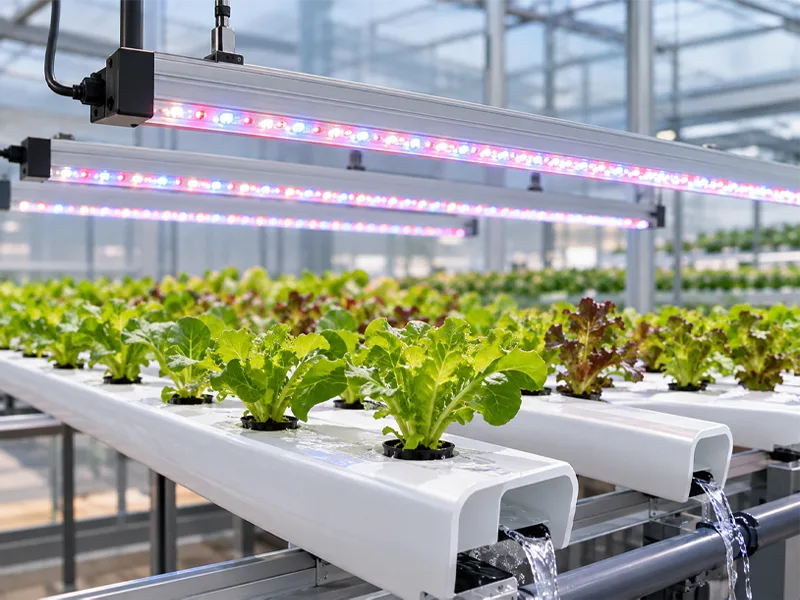
Today, advanced LED supplemental lighting represents the pinnacle of horticultural illumination technology. Companies like SLTMAKS engineer LED fixtures that are not merely “lights,” but highly precise agronomic tools designed to maximize plant performance while meticulously mitigating stress factors.
1. Spectral Customization and Precision
Unlike the blunt instrument of HPS lighting, LEDs offer unparalleled spectral control. Different wavelengths of light drive different physiological responses in plants.
- Red and blue light: These are the most efficiently absorbed wavelengths for driving photosynthesis. By optimizing the ratio of red to blue light, high-quality LED supplemental lighting can stimulate robust vegetative growth and dense flowering without bombarding the plant with unnecessary wavelengths that only contribute to excess energy accumulation and potential photoinhibition.
- Broad spectrum (white) light: Many modern commercial LED fixtures utilize a broad-spectrum approach that mimics the sun, providing a balanced light environment that supports healthy plant morphology and improves the working environment for greenhouse staff, making crop inspection easier and more accurate.
- Far-red light integration: Advanced fixtures are increasingly incorporating far-red wavelengths. While minimally active in standard photosynthesis, far-red light triggers the Emerson Enhancement Effect when combined with red light, synergistically boosting the overall photosynthetic rate. Furthermore, strategically applied far-red light can influence photomorphogenic responses like stem elongation, leaf expansion, and flowering time.
By delivering a targeted, highly assimilable spectrum, SLTMAKS LED fixtures ensure that a higher percentage of the emitted photons are actively utilized for growth, reducing the pool of “wasted” energy that could otherwise trigger photoinhibition.
2. Exceptional Energy Efficiency and Thermal Management
The most significant operational advantage of LED supplemental lighting is its remarkable energy efficiency. High-quality LEDs convert a much larger portion of electrical energy into Photosynthetically Active Radiation (PAR) compared to legacy lighting technologies. This high efficacy (measured in µmol/J) means growers can achieve the target light intensity while consuming drastically less electricity.
Equally important in the context of avoiding photoinhibition is thermal management. LEDs run significantly cooler than HPS lamps. Because they emit very little forward radiant heat (infrared), they can be positioned much closer to the plant canopy without causing thermal stress. High leaf temperatures significantly increase a plant’s vulnerability to photoinhibition. By decoupling light intensity from radiant heat load, LED lighting allows for safe, high-intensity supplemental illumination without pushing the plant into a stress-induced physiological shutdown.
3. Dimmability and Instant Control
One of the most critical features of commercial LED supplemental lighting for integrating with natural sunlight is instant, linear dimmability. HPS lights have long warm-up and cool-down periods and cannot be easily or efficiently dimmed based on real-time environmental changes. In contrast, modern LED drivers can seamlessly adjust the light output from 0% to 100% instantaneously. This capability is the absolute foundation for implementing the dynamic, responsive lighting strategies required to avoid photoinhibition and maximize energy savings.
Scientific Methods for the Perfect Integration of Natural Sunlight and LED Supplemental Lighting
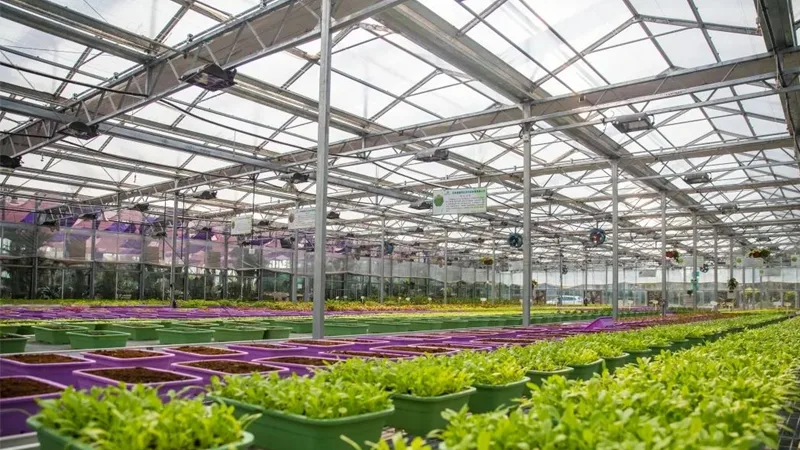
Achieving the “perfect integration” requires moving away from static lighting schedules (e.g., simply turning lights on from 6 AM to 6 PM) and adopting a dynamic, data-driven approach. The goal is to establish a seamless collaboration between the sun and the artificial lights, where the LEDs only fill the precise gaps left by natural conditions.
1. Mastering Daily Light Integral (DLI) Management
The cornerstone of modern greenhouse lighting strategy is the Daily Light Integral (DLI). DLI measures the total cumulative number of photosynthetically active photons delivered to a specific area over 24 hours. It is expressed in moles of light per square meter per day (mol/m²/d).
Think of DLI as a plant’s daily “calorie” intake. Every crop has an optimal DLI range for maximum yield and quality (e.g., tomatoes might require 20-30 mol/m²/d, while lettuce may only need 12-17 mol/m²/d).
To avoid photoinhibition and optimize integration:
- Establish the baseline: Growers must continuously measure the natural DLI provided by the sun using accurate quantum sensors positioned at the canopy level.
- Calculate the deficit: By subtracting the natural DLI from the crop’s target optimal DLI, the grower determines the exact supplemental DLI required from the LED fixtures.
- Strategic delivery: The LED supplemental lighting should only be deployed to meet this specific deficit. If a bright, cloudless summer day provides 25 mol/m²/d naturally, and the crop’s target is 25, the supplemental lights should remain completely off, saving 100% of the potential energy cost and preventing light saturation.
2. Dynamic Light Thresholds and Automated Dimming Control
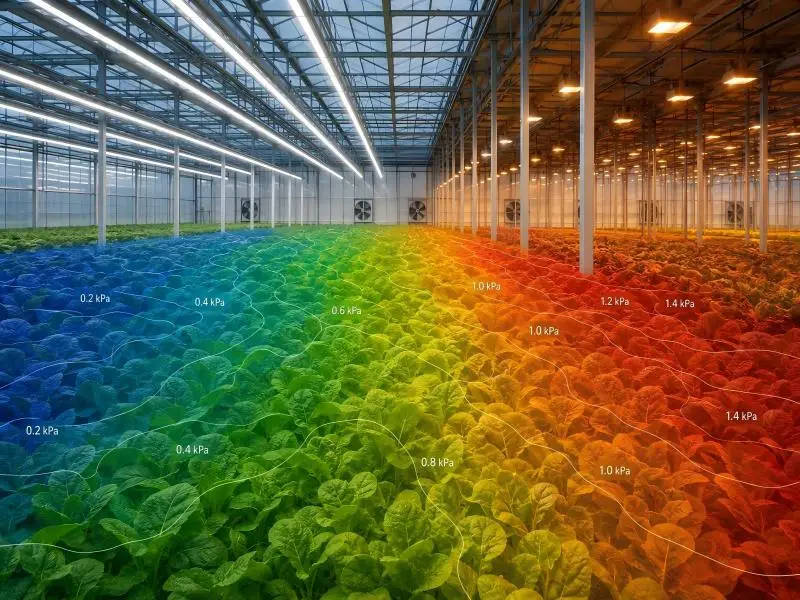
Managing DLI is about the daily total, but avoiding dynamic photoinhibition requires managing real-time Photosynthetic Photon Flux Density (PPFD)—the instantaneous intensity of light hitting the plants, measured in µmol/m²/s.
Integrating natural sunlight requires a sophisticated environmental control system linked to a network of PAR (Photosynthetically Active Radiation) sensors scattered throughout the greenhouse.
- Setting the maximum PPFD threshold: Agronomists establish a maximum safe PPFD limit for the specific crop and its current growth stage. Exceeding this instantaneous limit is what triggers the rapid onset of photoinhibition.
- Real-time modulating: As the sun rises and its intensity increases, the control system continuously monitors the combined PPFD (Sun + LEDs). If the natural sunlight alone approaches the maximum safe threshold, the system automatically and smoothly dims the LED supplemental lighting.
- Cloud cover compensation: Conversely, if a thick cloud suddenly obscures the sun, causing a rapid drop in natural PPFD, the system instantly ramps up the LED intensity to maintain a steady, optimal rate of photosynthesis without interruption.
This automated, minute-by-minute adjustment ensures the plants are always operating in the “Goldilocks zone” of lighting—never too little to stall growth, and never too much to cause photoinhibition.
3. Photoperiod Seamless Transitions: The “Sunrise and Sunset” Effect
Sudden, drastic changes in light intensity can cause significant stress to plants, forcing them to rapidly scramble their physiological defenses, which consumes valuable energy. Simply switching high-intensity commercial grow lights on or off at full power creates an unnatural shock.
Advanced integration strategies utilize the dimming capabilities of LED supplemental lighting to create seamless transitions that mimic natural diurnal cycles.
- Simulated sunrise: In the early morning, before natural sunlight reaches functional levels, the LED lights turn on at a very low intensity and gradually ramp up over 30 to 60 minutes. This gently “wakes up” the photosynthetic machinery, allowing stomata to open and enzyme activity to increase gradually, perfectly preparing the plant to utilize the incoming natural sunlight efficiently.
- Simulated sunset: Similarly, at the end of the day, if supplemental light is needed to reach the target DLI, the lights should gradually dim down rather than shutting off abruptly, mimicking the natural fading of twilight.
4. Optimizing Canopy Light Distribution: Top-Lighting vs. Inter-canopy Lighting
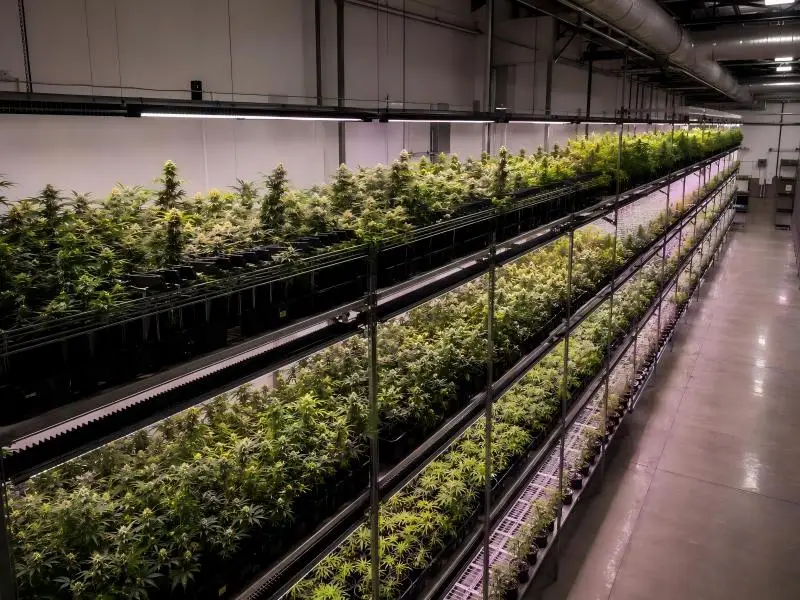
In dense, high-wire crops like vine tomatoes, cucumbers, or commercial cannabis, natural sunlight primarily hits the top of the canopy. The upper leaves can easily become light-saturated and susceptible to photoinhibition, while the lower and middle leaves reside in deep shade, contributing very little to the plant’s overall growth and sometimes even acting as a parasitic energy drain.
To perfectly integrate supplemental light, we must address spatial distribution.
- Top-lighting: Traditional LED fixtures are mounted above the crop. While necessary, relying solely on top-lighting to penetrate a dense canopy often requires pushing the intensity so high that the top leaves suffer photoinhibition.
- Inter-canopy (Intracanopy) lighting: The scientific solution is the strategic deployment of inter-canopy LED modules. These specialized fixtures are hung vertically within the rows, illuminating the middle and lower foliage.
By utilizing inter-canopy LED supplemental lighting, growers can distribute the total required DLI across a much larger surface area of the plant’s leaves. This drastically reduces the light pressure (PPFD) on the vulnerable top canopy, virtually eliminating the risk of localized photoinhibition, while simultaneously activating the dormant lower leaves to contribute heavily to overall photosynthesis and yield.
Comprehensive Environmental Control: The Holistic Approach to Avoiding Photoinhibition
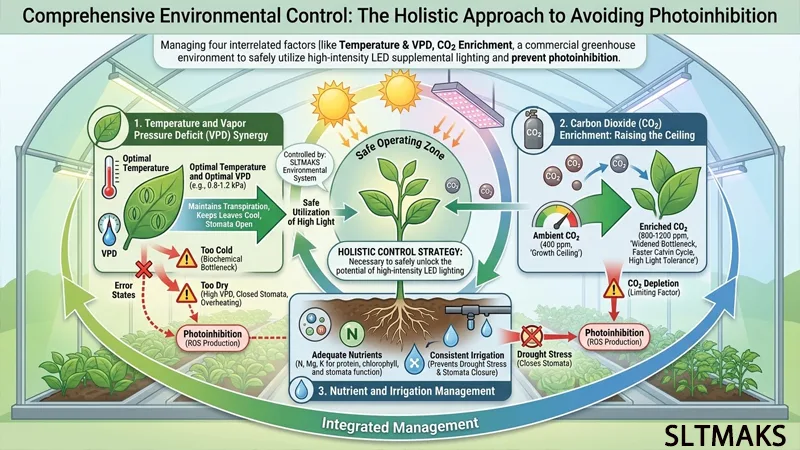
It is a critical error in commercial agriculture to view lighting in isolation. A plant’s ability to utilize high-intensity light (and thus resist photoinhibition) is entirely dependent on the corresponding status of other vital environmental parameters. SLTMAKS emphasizes to all our B2B partners that maximizing the benefits of LED supplemental lighting requires a holistic environmental control strategy.
1. Temperature and Vapor Pressure Deficit (VPD) Synergy
Light drives photosynthesis, but temperature regulates the speed of the biochemical reactions involved. If light intensity (natural + supplemental) is exceptionally high, but the ambient temperature is too low, the enzymatic reactions (specifically the Calvin-Benson cycle) cannot keep up with the rate of electron transport from the photosystems. This bottleneck rapidly leads to ROS production and photoinhibition.
Conversely, extremely high temperatures can cause heat stress, which denatures proteins and also shuts down photosynthesis.
Crucially, growers must manage the Vapor Pressure Deficit (VPD). VPD is the difference between the amount of moisture in the air and how much moisture the air can hold when it is saturated.
- Optimal VPD: Maintains active transpiration. Transpiration is the plant’s cooling mechanism; water evaporating from the leaves dissipates heat. When a plant is transpiring effectively, it can safely handle significantly higher light intensities because the leaves are kept cool.
- High VPD (dry air): Forces the plant to close its stomata to conserve water. Closed stomata halt CO2 intake, immediately stopping photosynthesis. If intense light continues to hit a leaf with closed stomata, severe photoinhibition is almost instantaneous.
Therefore, when integrating high-intensity LED supplemental lighting with strong natural sunlight, the greenhouse climate control system must actively manage temperature and maintain a precise VPD to ensure stomata remain open and cooling transpiration continues uninterrupted.
2. Carbon Dioxide (CO2) Enrichment: Raising the Ceiling
Carbon dioxide is the fundamental building block of plant mass. In a heavily planted commercial greenhouse, under intense light (sun + LEDs), the plants will rapidly deplete the ambient CO2 in the air.
As CO2 levels drop, carbon fixation slows down. If the light intensity remains high, but CO2 is the limiting factor, the energy absorbed by the chloroplasts has nowhere to go, inevitably triggering photoinhibition.
To maximize the utility of LED supplemental lighting and safeguard against light stress, CO2 enrichment is paramount. By artificially raising the atmospheric CO2 concentration in the greenhouse (typically from the ambient 400 ppm up to 800 – 1200 ppm, depending on the crop and ventilation rates), growers effectively “widen the bottleneck.” Higher CO2 availability allows the Calvin cycle to run much faster, safely utilizing higher levels of light energy, boosting growth rates tremendously, and significantly elevating the threshold at which photoinhibition occurs.
3. Nutrient and Irrigation Management
A plant’s resilience to environmental stress, including intense light, is deeply tied to its nutritional status. Nitrogen is essential for synthesizing the proteins in the photosynthetic apparatus, including the D1 protein that is constantly repaired during mild light stress. Magnesium is the central atom of the chlorophyll molecule. Potassium plays a critical role in regulating stomatal opening and closing.
Furthermore, adequate irrigation is necessary to support the transpiration stream. If a plant experiences even mild drought stress, it will close its stomata to survive, making any high-intensity LED supplemental lighting highly dangerous and liable to cause rapid photoinhibition. Perfect integration requires that water and nutrient delivery are perfectly synchronized with the lighting strategy.
Commercial Cases and ROI: The SLTMAKS Advantage
Theoretical science must translate into tangible commercial results. At SLTMAKS, we don’t just manufacture lights; we engineer comprehensive lighting solutions designed to solve real-world problems for B2B growers and maximize their Return on Investment (ROI).
Real-World Application: The Modern Tomato Greenhouse
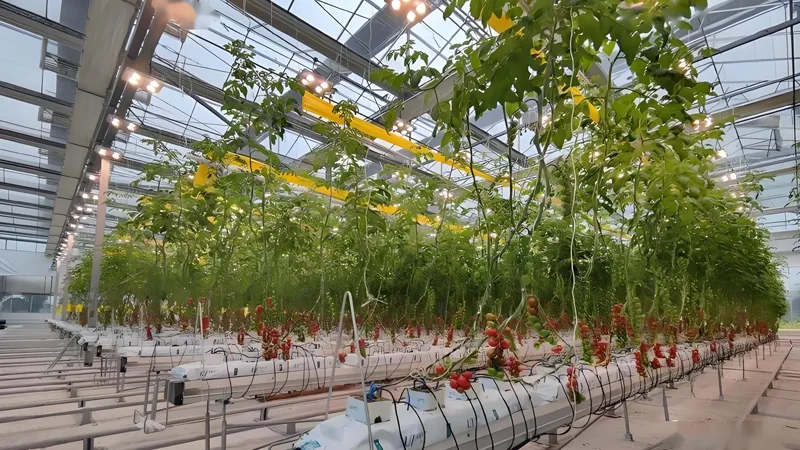
Consider a large-scale commercial tomato greenhouse facility operating in a temperate climate with highly variable spring and autumn weather. Historically, relying on legacy HPS systems and manual control, the facility struggled with two major issues: skyrocketing energy bills during shoulder seasons when lights were left on during sudden sunny periods, and noticeable yield drops due to upper-canopy photoinhibition during peak summer months.
By partnering with a professional commercial plant grow light manufacturer like SLTMAKS, the facility underwent a complete lighting retrofit and strategy overhaul.
The SLTMAKS solution:
- Hardware upgrade: Replacement of 1000W HPS fixtures with SLTMAKS highly efficient, broad-spectrum, dimmable LED supplemental lighting top-lights, complemented by targeted SLTMAKS inter-canopy LED modules.
- Smart integration: Integration of the LED drivers with the facility’s central climate control system, linked to a network of PAR sensors measuring real-time natural sunlight.
- Algorithmic control: Implementation of a dynamic DLI tracking algorithm. The system was programmed to automatically dim the top-lights in direct response to rising natural sunlight, ensuring the canopy never exceeded the scientifically established maximum safe PPFD threshold, thereby eliminating the risk of photoinhibition. The inter-canopy lights maintained a steady, lower intensity to ensure consistent lower-plant productivity.
The commercial results (ROI):
- Energy savings: By eliminating wasteful lighting during periods of sufficient natural sunlight through automated dimming, the facility reduced its supplemental lighting electrical consumption by over 35% annually.
- Yield increase: By preventing upper-canopy photoinhibition and activating the lower canopy with inter-lighting, total harvestable yield increased by 18%.
- Improved quality: The reduction in thermal stress (previously caused by HPS) and the optimized LED spectrum resulted in more uniform fruit sizing and a measurable increase in Brix (sugar) content, allowing the produce to command a premium market price.
As a dedicated professional manufacturer, SLTMAKS understands that every commercial facility is unique. Our engineering and agronomy teams work closely with our B2B clients to provide customized lighting layouts, exact DLI calculations, and ROI projections, ensuring that the integration of our LED supplemental lighting systems delivers maximum agronomic and financial benefit.
Conclusion and Call to Action
The era of static, uncalibrated greenhouse lighting is over. To remain competitive, profitable, and sustainable, modern commercial growers must adopt a highly scientific approach to environmental control. The perfect integration of natural sunlight and LED supplemental lighting is not merely about adding light; it is about intelligent, dynamic, and responsive light management.
By understanding the physiological dangers of photoinhibition, implementing precise DLI and real-time PPFD controls, and ensuring that temperature, VPD, and CO2 are perfectly synchronized, growers can harness the full power of both the sun and advanced LED technology. This synergy results in unprecedented energy savings, profound increases in crop yield, and superior, consistent plant quality.
Ready to optimize your commercial greenhouse and protect your crops from the hidden costs of photoinhibition? Do not let outdated lighting strategies limit your operational potential. As a leading professional plant grow light manufacturer, SLTMAKS is ready to be your partner in agricultural innovation.
Visit https://www.sltmaks.com/ today to explore our comprehensive range of high-efficiency, commercial-grade LED supplemental lighting solutions and smart control systems. Contact our team of expert agronomists and lighting engineers for a free, customized DLI assessment, a tailored lighting layout, and a detailed ROI analysis for your specific facility. Let SLTMAKS illuminate the path to your most profitable harvest yet.
FAQ
What is photoinhibition in plants?
Photoinhibition occurs when plants absorb more light energy than their photosynthetic systems can process. This excess energy damages cellular structures, reducing photosynthetic efficiency and ultimately lowering crop yields.
How do you combine LED supplemental lighting with natural sunlight?
The most effective method is using smart, dimmable LED fixtures integrated with light sensors. The system automatically adjusts the LED intensity in real-time to fill the exact light deficit left by natural sunlight, preventing overexposure.
What are the signs of light stress in greenhouse crops?
Common visible signs of light stress and chronic photoinhibition include leaf bleaching (yellowing or whitening), upward leaf curling, stunted growth, and burned leaf tips.
Why is DLI (Daily Light Integral) important for LED lighting?
DLI measures the total amount of photosynthetically active light a plant receives over 24 hours. Tracking DLI allows growers to run their LED supplemental lighting only when necessary to hit daily targets, maximizing growth while minimizing energy costs.
Are LED grow lights better than HPS for avoiding heat stress?
Yes. Unlike traditional HPS lamps, LED grow lights emit very little forward radiant heat (infrared). This allows growers to deliver high-intensity light close to the canopy without overheating the plants or exacerbating photoinhibition.