If you are serious about indoor growing in 2025—whether it’s leafy greens, herbs, fruiting crops, or houseplants—the quality of your lighting will make or break your results. The best LED grow lights today deliver higher yields, better quality, and dramatically lower power consumption than old HPS or CFL fixtures. At the same time, the market is flooded with options, confusing specs, and big marketing promises.
This 2025 buyer’s guide from SLTMAKS is designed to cut through the noise. We’ll explain the key lighting concepts in simple terms, show you how to compare fixtures, and share our top picks for different grow spaces and crop types. Along the way, we’ll reference independent university research and third-party certification programs so you can trust the numbers behind your investment.
By the end of this guide, you’ll know exactly how to choose the best LED grow lights for your goals—and how SLTMAKS fixtures can help you grow stronger, healthier plants with less energy and less guesswork.
Table of Contents
What Do “Best LED Grow Lights” Really Mean in 2025?
Balancing Yield, Quality, and Energy Cost
In 2025, “best” is no longer just about maximum wattage. Modern growers care about:
- Yield per square meter
- Quality (color, oil content, flavor, morphology)
- Energy efficiency (µmol/J)
- Reliability and lifespan
Research from universities and organizations like NASA has shown that targeted LED spectra can boost plant biomass and reduce power consumption compared to traditional lamps, especially when PPFD is optimized at the canopy level.
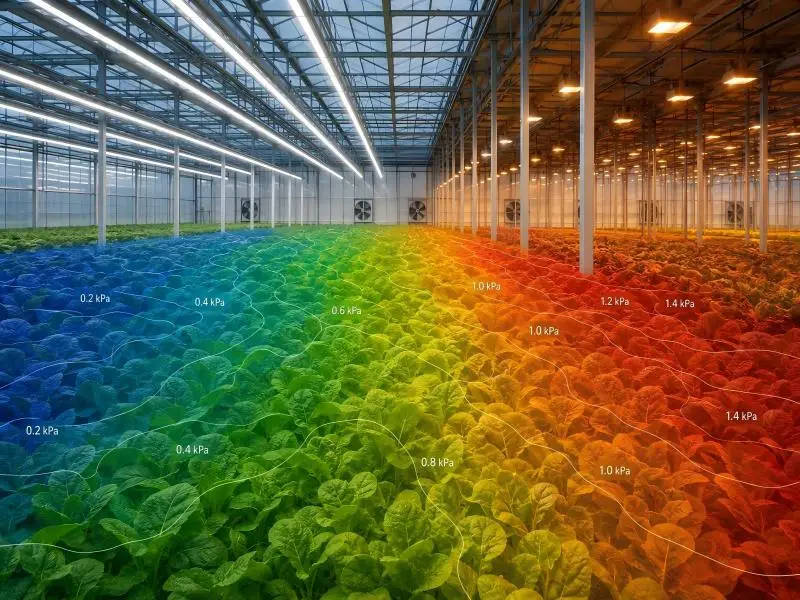
The best LED grow lights deliver high photosynthetic photon flux (PPF) and uniform PPFD across your canopy, while using as little electricity as possible.
Matching Light to Plant Type and Grow Space
Even the highest-end fixture can disappoint if it’s not matched to your plants and grow space. Leafy greens, seedlings, and fruiting crops all have different light requirements. Controlled-environment agriculture research shows that many crops respond best when you target a specific daily light integral (DLI) rather than just “bright” light.
So the best LED grow light for:
- A 2×2 ft tent of leafy greens is not the same as
- A 4×4 ft high-PPFD fruiting crop or
- A shelf of houseplants in your living room.
In this guide, we’ll help you match the right LED to your actual use case.
Essential Grow Light Science (Explained Simply)
PAR, PPF, and PPFD — How Much Useful Light Your Plants Get
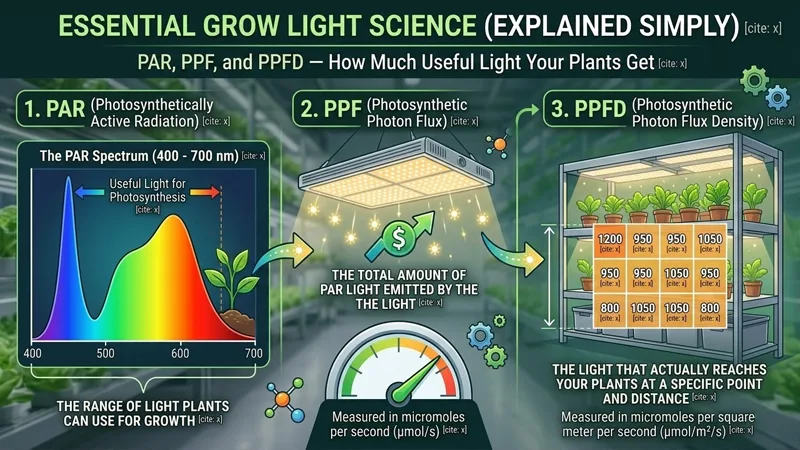
Plants don’t “see” light the way we do. They mainly use wavelengths between roughly 400–700 nm, called Photosynthetically Active Radiation (PAR).
Key terms:
- PPF (Photosynthetic Photon Flux) – total amount of PAR light a fixture emits per second (µmol/s).
- PPFD (Photosynthetic Photon Flux Density) – PAR light reaching a given area of your canopy (µmol/m²/s).
Extension publications from Oklahoma State University and others note that many crops perform well when canopy PPFD falls in the 400–800 µmol/m²/s range during the main photoperiod, depending on species and stage.
As a simple rule of thumb:
- Seedlings & low-light plants: ~200–400 µmol/m²/s
- Leafy greens & herbs: ~300–600 µmol/m²/s
- Fruiting crops / high-light species: ~600–900+ µmol/m²/s
The best LED grow lights let you hit these PPFD targets evenly across your entire grow area.
Authoritative resource:
For a deeper explanation of PAR, PPF, and PPFD, see the OSU Extension fact sheet on LED grow lights.
Daily Light Integral (DLI) — Your Plant’s Daily Light Budget
PPFD tells you “how bright” the light is at each moment. DLI (Daily Light Integral) tells you how much PAR a plant receives over an entire day, expressed in mol/m²/day.
University and greenhouse research shows:
- Many ornamental crops are happy around 8–12 mol/m²/day.
- Fruiting vegetables often need 20–25 mol/m²/day for best yields.
To reach a target DLI, you can increase PPFD, extend photoperiod (hours of light), or both. The best LED grow lights make it easy to dial in intensity with dimming and to maintain stable PPFD as plants grow.
Useful tool:
The University of Florida offers a DLI calculator app that lets you explore different PPFD and photoperiod combinations.
Spectrum — Why “Full-Spectrum” LEDs Work So Well
Classic HPS lamps emit mostly yellow-orange light. Modern full-spectrum LED grow lights blend blue, green, red, and sometimes far-red and UV to better match plant photoreceptors.
Studies on greenhouse crops, leafy greens, and hops show that:
- A moderate share of blue light (around 5–20% of PPF) helps control stretch and produces more compact, robust plants.
- Red + blue drive photosynthesis efficiently, while green helps light penetrate deeper into dense canopies.
- Carefully adding far-red can influence leaf expansion and flowering time in some crops.
SLTMAKS designs its spectra based on peer-reviewed horticultural research, not just marketing buzzwords, so you get full-spectrum LEDs that actually support vigorous growth and high-quality harvests.
Efficacy (µmol/J) — How Efficient Your Light Really Is
When comparing the best LED grow lights, efficacy is crucial. It’s usually expressed as photosynthetic photon efficacy (PPE) in µmol/J, meaning how many useful photons you get per joule of electricity.
The DesignLights Consortium (DLC) Horticultural Technical Requirements set minimum PPE thresholds for products to qualify on their QPL. Earlier versions required around 1.9 µmol/J, and newer specifications increase this baseline, with many modern fixtures now exceeding 2.3 µmol/J and some reaching above 3.0 µmol/J.
Higher efficacy means:
- More growth per watt
- Lower electricity bills
- Less heat to manage
SLTMAKS targets high PPE values across our product line so you can compete with the best LED grow lights on the market—not just on paper, but in real-world grow rooms and greenhouses.
Authoritative resource:
Learn more about horticultural efficacy and DLC requirements in the DesignLights Consortium’s.
Main Types of LED Grow Lights and Where They Shine
Bar-Style LED Grow Lights
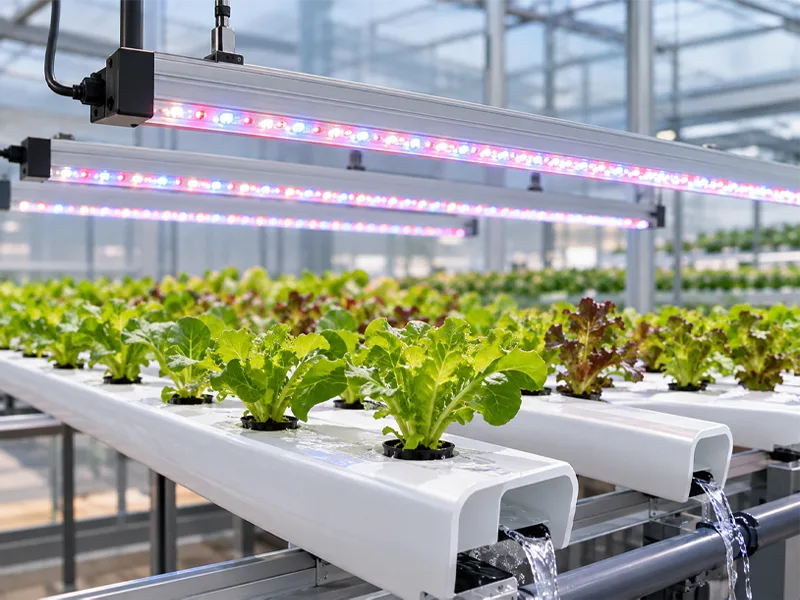
Bar-style fixtures are now the gold standard for many serious growers. Multiple slim bars are spaced across a frame to deliver very uniform PPFD with minimal hot spots.
Best for:
- 2×2, 3×3, 4×4 ft grow tents
- Commercial benches and rolling tables
- Vertical farming racks
Because of their open design, bar lights run cooler and are easier to position close to the canopy. Many of the best LED grow lights in commercial greenhouses today use this format.
Quantum Boards and LED Panels
Quantum boards and dense LED panels mount hundreds of diodes on a flat board. They are compact, easy to install, and often more affordable than bar lights.
Best for:
- Small to mid-size grow tents
- Growers who want a simple, single-fixture solution
They usually provide good intensity, though edge uniformity may be slightly lower than high-end bar systems.
LED Grow Light Bulbs and Strips
Not everyone wants a full grow tent. Many growers simply want the best LED grow lights for houseplants or seedling trays.
Bulbs and strips are perfect when you:
- Need to supplement window light for houseplants
- Start seedlings on a shelf or in a small rack
- Add extra light above a specific plant corner
Extension guides note that LED bulbs can successfully support indoor plant growth when intensity and duration are adequate.
COB and Spot LEDs
COB (Chip-on-Board) and other spotlights concentrate lots of light into a smaller beam.
Best for:
- Highlighting individual specimen plants
- Deep, narrow grow spaces
- Applications where you need high PPFD in a limited footprint
However, they can create hot spots if not hung and dimmed properly, so they are better suited for experienced growers.
How to Choose the Best LED Grow Lights for Your Setup
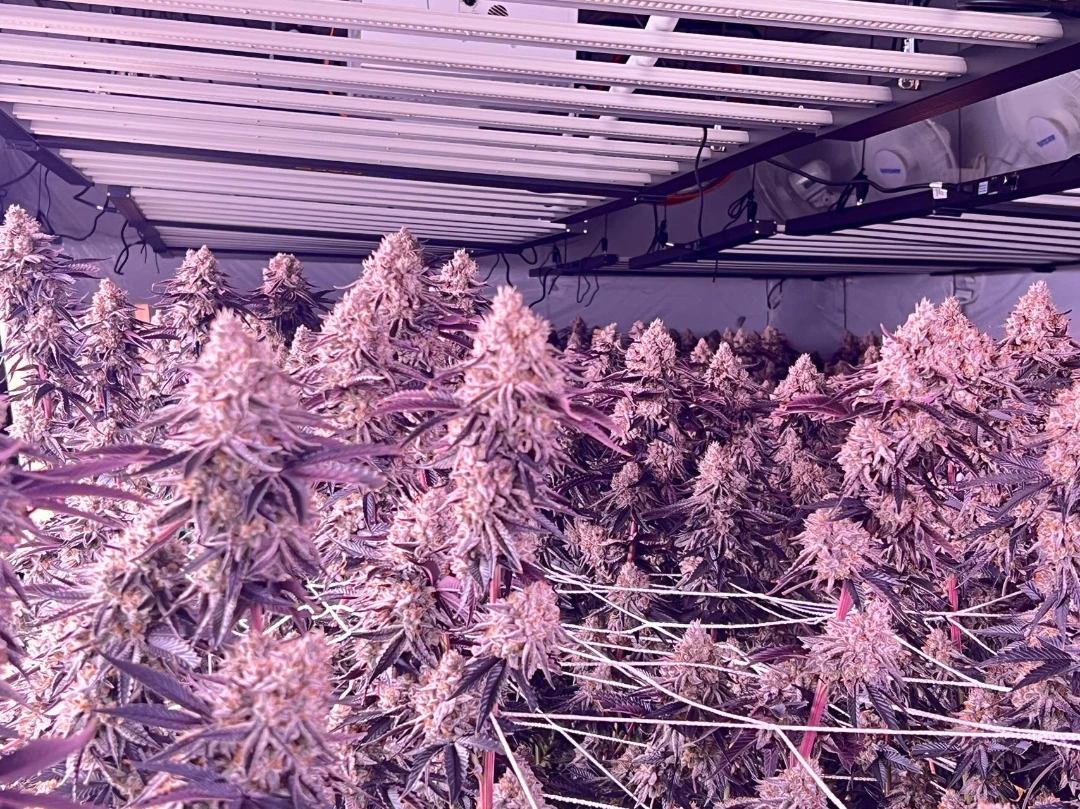
Step 1 – Define Your Grow Area
Start by measuring the exact footprint of your grow space:
- Tent sizes: 2×2, 3×3, 4×4, etc.
- Shelving: shelf depth and width
- Greenhouse benches: length and width
Most LED grow light manufacturers list a recommended “core coverage” area at certain PPFD levels. For high-light crops, aim for coverage that supports at least 600–800 µmol/m²/s at the canopy level over most of the area.
Step 2 – Decide What You’re Growing
Low to moderate-light plants (some herbs, leafy greens, many houseplants) require lower PPFD and DLI than high-light crops (tomatoes, peppers, cannabis, strawberries).
Ask yourself:
- Are you mostly growing lettuce and leafy greens?
- Do you want fruiting vegetables or long-day crops?
- Is this mainly a houseplant collection?
Choosing the best LED grow lights for your situation means matching fixture output and dimming range to your plant list.
Step 3 – Calculate How Much Light You Need
Use PPFD and DLI as your guide:
- Pick a target DLI for your crop (e.g., 12–15 mol/m²/day for leafy greens, 20–25 for fruiting crops).
- Decide how many hours of light per day you will provide (e.g., 14–18 hours).
- Calculate the PPFD needed to hit that DLI—or use a DLI calculator such as the University of Florida’s app.
Once you know your target PPFD, you can select fixtures that deliver that intensity over your grow area.
Step 4 – Check Build Quality, Cooling, and Controls
The best LED grow lights are not only powerful; they are also well-engineered:
- Heatsinks & thermal design – keep LED junction temperatures low for long life.
- Dimmable drivers – let you adjust intensity for seedlings vs flowering.
- Ingress protection (IP rating) – important in humid grow tents and greenhouses.
- Smart controls – timers, sunrise/sunset simulation, and group control for larger setups.
Commercial grow operations and advanced hobbyists increasingly rely on networked controls to fine-tune lighting schedules and intensity across zones.
Step 5 – Compare Real Specs, Not Just Marketing Claims
When you’re shopping for the best LED grow lights, be cautious of:
- Overstated “equivalent wattage” claims
- Missing or vague PPFD maps
- No mention of tested PPE (µmol/J)
Look for manufacturers that provide:
- Independent test reports
- Clear PPFD charts at realistic hang heights
- References to third-party standards or DLC qualification
SLTMAKS uses lab-verified data and realistic PPFD maps so you can plan your grow with confidence, not guesswork.
2025 Top Picks from SLTMAKS LED Grow Lights
(Model names can be adapted to your product line; here we describe typical use-case-based solutions.)
Best LED Grow Light for 2×2 ft / 60×60 cm Grow Tents
For compact grow tents, you want a fixture that:
- Delivers 400–700 µmol/m²/s across a 2×2 ft area
- Uses around 100–150 W of power with high efficacy
- Runs cool and quiet
A SLTMAKS 150W full-spectrum bar or panel is ideal here. Hanging at 30–40 cm above the canopy with dimming, it can support seedlings at low power and flowering herbs or compact fruiting crops at higher intensity.
Key benefits:
- Optimized full spectrum with balanced blue/green/red and tasteful far-red for compact, healthy morphology.
- Slim design fits perfectly into small tents without blocking airflow.
- Built-in dimmer lets you start soft with young plants and increase PPFD as they mature.
Best LED Grow Light for 3×3–4×4 ft High-Yield Grows
For serious yields in 3×3 or 4×4 ft tents, you need a high-output bar-style LED with excellent uniformity.
A SLTMAKS 320–480W bar light is designed to:
- Deliver 600–900+ µmol/m²/s across a 3×3 or 4×4 ft canopy at suitable hanging heights
- Achieve PPE values competitive with top DLC-listed horticultural fixtures.
- Include 0–100% dimming, daisy-chain control, and optional external controllers
This type of fixture is perfect for:
- High-value fruiting crops
- Dense plant spacing
- Growers who want consistent, repeatable harvests with pro-level light distribution
Best LED Grow Lights for Houseplants and Seedlings
Not everyone wants industrial-level output. Many growers just need the best LED grow lights for indoor plants that keep foliage lush and seedlings sturdy all year.
SLTMAKS offers:
- T5-style LED bars for shelves and racks
- Clip-on lamps for small plant corners
- Flexible LED strips for custom installations
Extension publications on houseplant lighting confirm that LED strips and bulbs can effectively support foliage plants when you provide sufficient intensity and duration.
Benefits for home growers:
- Neutral-white or warm-white full-spectrum light that looks good in living spaces
- Very low heat and low power draw
- Easy to scale by adding more bars or strips
Best Commercial LED Grow Lights for Racks and Greenhouses
For vertical farms and greenhouse operations, light uniformity, PPE, and control are critical. SLTMAKS commercial lines are engineered to:
- Reach PPE levels aligned with modern DLC horticultural standards for high efficiency
- Integrate with smart controllers for multi-zone dimming and scheduling
- Offer spectra tuned for leafy greens, herbs, or fruiting crops based on current research
These are the best LED grow lights when you need reliability across hundreds or thousands of fixtures, predictable ROI, and compatibility with utility rebate programs that often rely on DLC-listed performance.
Example Lighting Layouts and PPFD Targets
Sample Layout for a 3×3 ft Tent
Goal: Fruiting crop with DLI ~20–25 mol/m²/day. hortamericas.com+1
- Use one SLTMAKS 320–350W bar light centered in the tent.
- Hang at ~35–45 cm from the canopy for ~600–800 µmol/m²/s average PPFD.
- Run lights for 16–18 hours/day and adjust the dimmer to keep leaves healthy (no bleaching).
Regular PPFD mapping with a PAR meter lets you fine-tune hanging height and dimming for your specific tent, reflective walls, and plant arrangement.
Sample Layout for a Shelf of Houseplants
Goal: Keep assorted houseplants compact and colorful year-round.
- Install one or two 20–40W LED bars 20–30 cm above plants.
- Aim for 200–400 µmol/m²/s at the canopy and 12–14 hours/day.
- Use neutral-white full-spectrum LEDs so foliage looks natural in your room.
This setup is ideal for pothos, philodendron, small ficus, succulents (with higher PPFD), and many tropical species.
Sample Layout for a 4-Tier Vertical Rack
Goal: Continuous production of leafy greens/microgreens.
- Mount 40–80W SLTMAKS bar lights on each tier, 15–25 cm above trays.
- Target 250–450 µmol/m²/s for leafy greens and microgreens.
- Run 16–18 hours/day to hit the desired DLI while keeping energy costs under control.
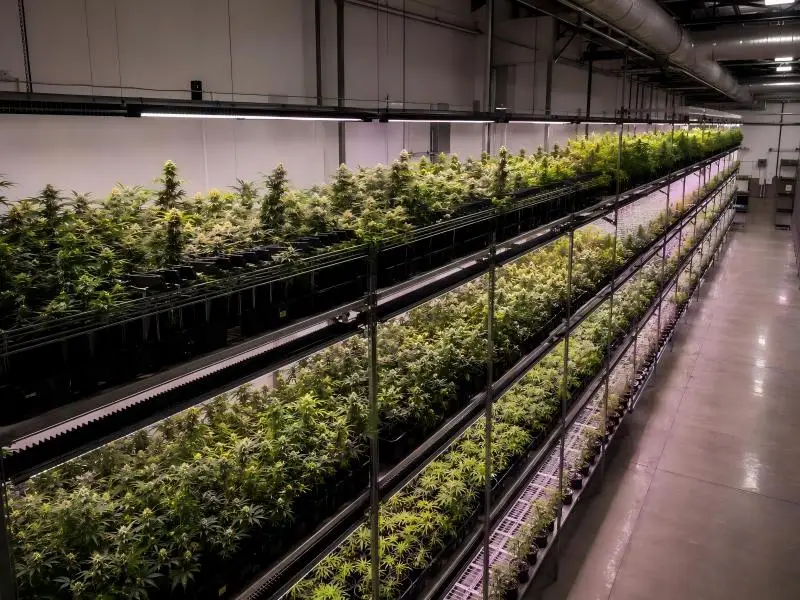
High-efficiency LEDs are particularly valuable in vertical farms, where heat management and electricity costs determine profitability.
Frequently Asked Questions About the Best LED Grow Lights
Are LED grow lights really better than HPS?
Multiple studies have shown that modern LED grow lights can match or exceed HPS yields while reducing energy consumption and allowing more precise spectral control.
LEDs also produce less radiant heat, making climate control easier—especially in small tents and vertical farms.
How close should the best LED grow lights be to plants?
There is no single distance that works for every fixture. You should:
- Check the manufacturer’s PPFD maps at different hanging heights.
- Start higher and gradually lower or increase dimming while watching plant responses.
NASA and university research often adjust lamp height weekly to maintain target PPFD at the top of the canopy, which is a good practice to copy.
Can I use regular LED bulbs instead of specialized grow lights?
Yes—but with limitations. Standard LED bulbs can support some houseplants and seedlings if you provide enough intensity and hours. However, purpose-built grow lights offer better spectra, higher PPFD, and better coverage for dense planting.
How do I know if a light is truly one of the “best LED grow lights”?
Look for:
- High PPE (µmol/J) with documented test data
- Honest PPFD maps over realistic coverage areas
- Good thermal design and a reputable driver
- Positive reviews from real growers
- References to DLC or other third-party standards for commercial fixtures
Why Growers Worldwide Choose SLTMAKS
R&D Driven by Real Growth Data
At SLTMAKS, we don’t just assemble LED grow lights—we design them based on real crop trials, readings from PAR meters, and modern horticultural research. Our engineers study independent sources such as university extension publications and DLC technical requirements to ensure each new generation outperforms the last.
Customized Solutions for Different Crops and Projects
Whether you’re:
- A hobbyist with a single 2×2 tent
- A greenhouse grower looking for supplemental light
- A vertical farm building multi-tier systems
SLTMAKS can help you choose or customize the best LED grow lights for your exact DLI targets, crop list, and climate.
Support, Warranty, and Global Logistics
Our commitment doesn’t stop at the sale. SLTMAKS provides:
- Pre-sales consultation on PPFD and layout
- After-sales technical support
- Reliable warranties on LEDs and drivers
- Logistics options, including regional warehouses for faster delivery to key markets
We aim to be your long-term lighting partner, not just another supplier.
Final Thoughts: Turn Light into a Reliable Advantage
The best LED grow lights in 2025 are powerful, efficient tools that can transform any indoor or greenhouse project—if you choose wisely. When you understand PAR, PPFD, DLI, spectrum, and efficacy, marketing slogans become simple numbers you can evaluate objectively.
Use this guide to:
- Define your grow space and crops.
- Set realistic PPFD and DLI targets.
- Compare fixtures based on data, not hype.
When you’re ready to upgrade or design a new project, talk to the SLTMAKS team. Together, we’ll select or customize LED grow light solutions that help you grow stronger plants, higher yields, and a more profitable future—harvest after harvest.
FAQ
What are LED grow lights?
LED grow lights are special light bulbs designed to help plants grow indoors by providing the right kind of light they need. They are energy-efficient and can produce bright light that helps plants grow better than traditional lights. This technology is great for growing flowers, vegetables, and other plants at home.
How do LED grow lights help plants?
LED grow lights emit specific wavelengths of light that plants use for photosynthesis, which is how they make their food. This means they can help plants grow healthier and faster. The right type of LED grow light can increase plant yields, improve taste, and reduce energy costs.
Why should I choose LED grow lights over other types?
LED grow lights use less electricity compared to traditional lights like HPS or CFL. They last longer, produce less heat, and offer more control over light quality. This makes them a better choice for indoor gardening, especially for those who want efficient and effective plant growth.
How far should my LED grow light be from the plants?
The distance of your LED grow light from plants depends on how strong the light is. Generally, it’s a good idea to start with the light a bit high above the plants and then lower it gradually while watching how the plants respond. This helps prevent them from getting too much light and getting burned.
Can I use normal LED bulbs for growing plants?
While normal LED bulbs can help some plants grow, they are not as effective as specialized grow lights. Standard bulbs may not provide the exact wavelengths plants need for optimal growth. Specialized grow lights are designed to provide this spectrum and are more efficient for plant growth.
What should I look for in a good LED grow light?
When choosing an LED grow light, look for high efficacy, meaning it provides a lot of light for the electricity it uses. Also check for good PPFD (Photosynthetic Photon Flux Density) coverage, solid construction, and positive reviews from other users. It’s important to choose lights that are suited for the type of plants you are growing.
How do I know if the grow light is suitable for my plants?
Make sure the LED grow light you choose matches the light requirements of your plants. Different plants have varying needs for light intensity, so check whether the light can provide enough PPFD for the specific types of plants you are growing, like herbs or fruiting vegetables.
What is the lifespan of LED grow lights?
LED grow lights are known for their long lifespan, typically lasting between 20,000 and 50,000 hours, depending on the quality and brand. This means that with good care, your LED lights can last for several years, making them a cost-effective choice for growing plants.
Are there any specific maintenance tips for LED grow lights?
To keep your LED grow lights in good condition, ensure they are clean and dust-free. Use a soft cloth to wipe them periodically. Also, check connections and settings regularly to make sure everything is functioning correctly. This will help extend the life of your lights and promote healthy plant growth.
How should I plan my grow space using LED lights?
Start by measuring your grow area and understanding the light needs of your plants. Then, choose LED grow lights that match your space size and plant types. Make sure there is even light coverage in your grow area to support healthy plant growth.