d other research organizations have published accessible plant lighting materials over time, and NASA’s technical resources can be a good entry point: https://ntrs.nasa.gov/
Table of Contents
Efficiency and Running Cost: What Your Power Meter Will Tell You

The “best” light is often the one you can run comfortably every day
A high-PPFD fixture is exciting, but your operating cost and heat load are what you live with daily. Efficient LEDs reduce the electricity required to hit your target DLI, and they reduce the heat that your ventilation or AC must remove. In many rooms, that translates to quieter operation, better humidity control, and fewer environmental swings.
If your local electricity cost is high, efficiency becomes even more valuable. Over a year of daily use, a more efficient fixture can materially reduce total cost of ownership.
Heat management is part of lighting performance
Even efficient lights produce heat, and that heat changes your grow environment. Better thermal design keeps LED junction temperatures lower, which helps maintain output and long-term stability. It also reduces the chance of driver stress and premature component aging.
If you want a credible, energy-focused perspective on LED technology and efficiency, the U.S. Department of Energy’s SSL resources are helpful: https://www.energy.gov/eere/ssl/solid-state-lighting
A quick way to think about ROI
If you’re choosing between two fixtures in the same coverage class, consider the difference in efficiency and how many hours per day you run the lights. Over time, small differences in wattage add up, especially in larger rooms. Better efficiency also buys you headroom when you expand, because your circuit capacity and HVAC limits don’t grow as easily as your ambition.
For many indoor growers, the real ROI is not just dollars. It’s stability, less troubleshooting, and more predictable harvest quality.
Build Quality Checklist That Separates “Good” From “Best”
Driver quality and stability matter more than most people think
The driver is the electrical heart of the fixture. A stable driver helps ensure consistent output, smooth dimming, and long service life. Cheap drivers can cause flicker, output instability, or early failure, and these problems are especially painful when you’re mid-cycle.
When evaluating a fixture, look for clear information about driver design, heat management, and warranty support. Even if the LEDs are excellent, a weak driver can limit real-world performance.
Thermal design protects output and longevity
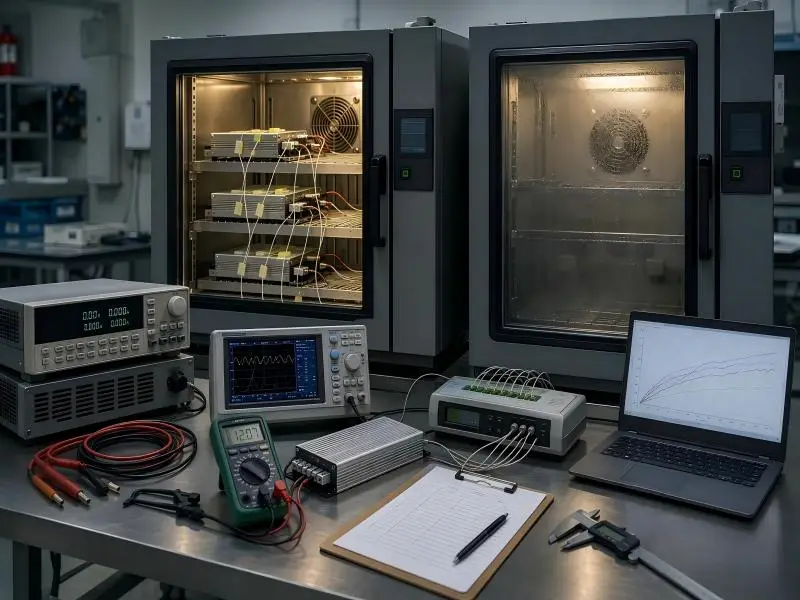
Fanless designs can be very reliable when heat sinking is done properly. The goal is to keep temperatures stable under continuous operation, because LEDs and drivers both last longer when they operate within comfortable thermal limits. A well-designed fixture spreads heat across the frame and keeps hot spots under control.
If you’re comparing products, don’t ignore physical build cues. Solid construction, clean wiring, and thoughtful cable management usually correlate with better long-term reliability.
Serviceability and warranty are part of value
The best full spectrum LED grow lights are not only bright on day one—they stay consistent over time and are backed by support. A clear warranty, accessible customer service, and reliable replacement processes reduce downtime risk. That matters for hobby growers and it matters even more for commercial projects where timing is money.
As a general reference on lighting product quality programs and evaluation, DLC resources can help you understand what reputable qualification frameworks look like in horticulture: https://www.designlights.org/resources/
Common Mistakes When Shopping for “Best Full Spectrum LED Grow Lights” Online
Believing “equivalent watt” labels without context
Marketing labels often exaggerate comparisons to older technologies. The only meaningful numbers are the fixture’s real power draw, its photon output, and how it distributes those photons across your canopy. If a product avoids giving measurable information, treat it carefully.
A better habit is to ask: “Will this fixture deliver uniform PPFD across my canopy at the hanging height my room allows?” That question protects you from most hype.
Ignoring coverage uniformity
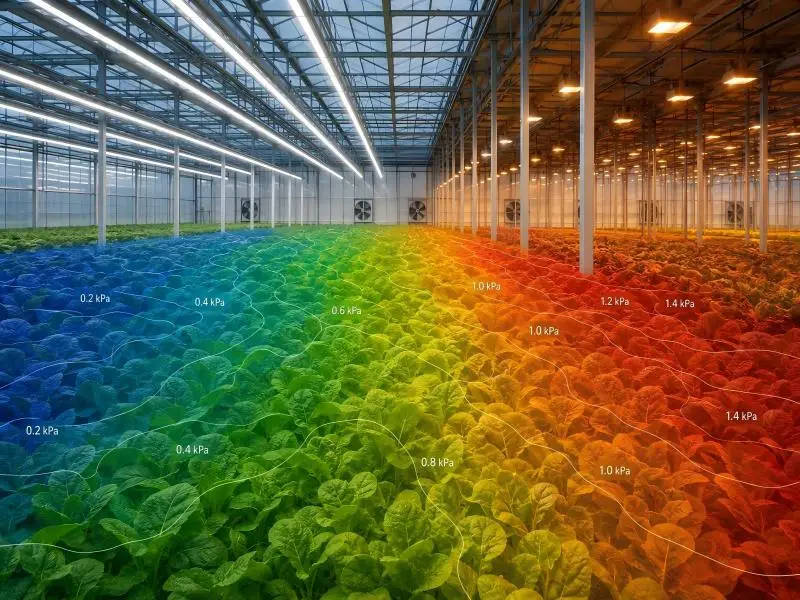
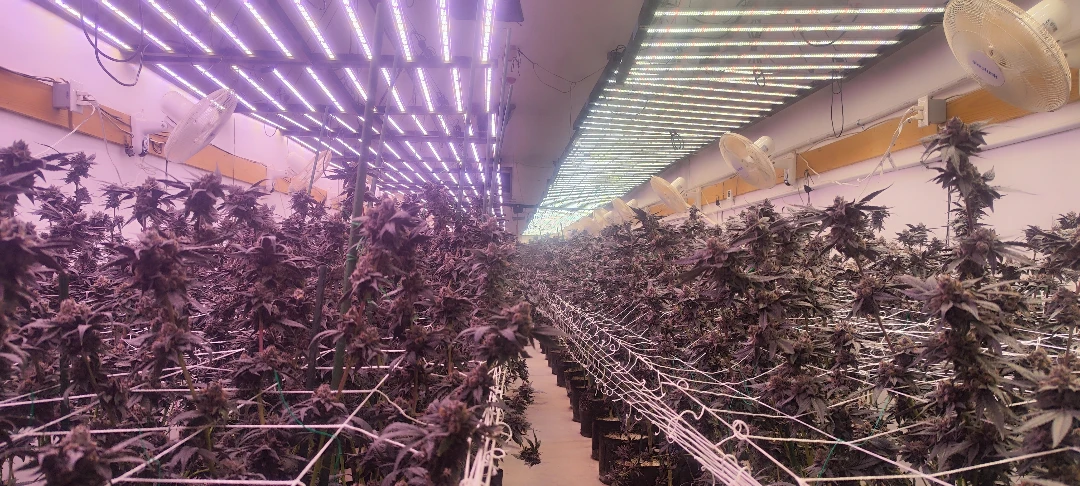
Many growers focus on maximum PPFD, but uneven distribution causes uneven plants. You’ll spend more time training, rotating, or compensating with feeding differences, and the harvest may not finish evenly. Uniformity is one of the biggest reasons bar-style fixtures have become so popular.
If you want consistent results, your canopy should not have extreme peaks and valleys of intensity. Even plants are easier plants.
Trying to fix environmental problems with more light
More light increases photosynthetic demand, which increases the plant’s need for CO₂, nutrients, and correct temperature ranges. If your environment is not stable, pushing higher PPFD can actually reduce performance. Many “light problems” are really temperature, VPD, or watering problems that appear after you raise intensity too fast.
A balanced approach—light, climate, and nutrition working together—wins almost every time.
Why SLTMAKS Full Spectrum LEDs Fit Indoor Growers

Designed around practical indoor performance
At SLTMAKS, we focus on what indoor growers actually need: strong, uniform PPFD, efficient photon delivery, and control features that make dialing in easier. A full spectrum that’s comfortable to work under and effective across growth stages is part of that design philosophy. The result is lighting that supports healthy vegetative growth and productive flowering without forcing you into guesswork.
We also think “best” should mean repeatable. That’s why we emphasize stable components, consistent build quality, and clear guidance on coverage and use.
Support that helps you get results, not just a shipment
Even a great fixture needs correct setup. We help indoor growers choose the right footprint class and the right approach to hanging height and dimming, so the light matches the crop stage and the room conditions. When you know your canopy size and your goals, we can recommend a practical configuration instead of a one-size-fits-all answer.
If you’re planning a larger project, we can also support layout planning and scaling decisions. Indoor growing gets easier when your lighting plan is coherent from the start.
Fast fulfillment options for key markets
For many customers, shipping speed matters as much as specs, especially when you’re building a room on a deadline. SLTMAKS supports practical fulfillment options for customers who want reliable delivery and straightforward communication. If you’re targeting a specific timeline, it’s always worth choosing a supplier that can support you beyond the spec sheet.
To learn more about our full spectrum solutions, visit: https://www.sltmaks.com/
FAQ: Best Full Spectrum LED Grow Lights
Are full spectrum LEDs good for all indoor plants?
Full spectrum LEDs are a strong all-around choice because they provide broad wavelengths that support a wide range of crops. They also tend to be more visually comfortable than narrow-band “blurple” lights, which makes scouting and plant care easier. The key is still intensity and coverage, because even the best spectrum won’t help if PPFD is too low or too uneven.
Different plants and growth stages prefer different DLI targets, so the “best” setup is usually one you can dim and adjust. With proper control, full spectrum LEDs work well for herbs, leafy greens, houseplants, and fruiting crops alike.
How do I know if a light is actually “full spectrum”?
A true full spectrum grow light typically provides a broad emission across the visible range, often from a white LED base, and may include additional deep red. Product pages often show a spectrum chart, but the more useful proof is whether the fixture provides measurable guidance like PPFD maps and realistic coverage recommendations.
If the spectrum chart looks unusually “spiky” or the claims avoid measurable intensity information, look deeper. The best brands explain not only spectrum, but also how intensity and uniformity are achieved for the target footprint.
How high should I hang a full spectrum LED grow light?
Hanging height depends on the fixture design, the canopy footprint, and the growth stage. Many growers start higher for seedlings and early veg, then lower the light or increase dimming as plants mature. The safest method is to increase intensity gradually while watching plant response, because every room’s reflectivity and ventilation changes the real outcome.
If your fixture provides a PPFD map at specific heights, use that as a starting point. Then adjust in small steps until you reach a stable growth rhythm without stress signs.
Should I choose a board-style light or a bar-style light?
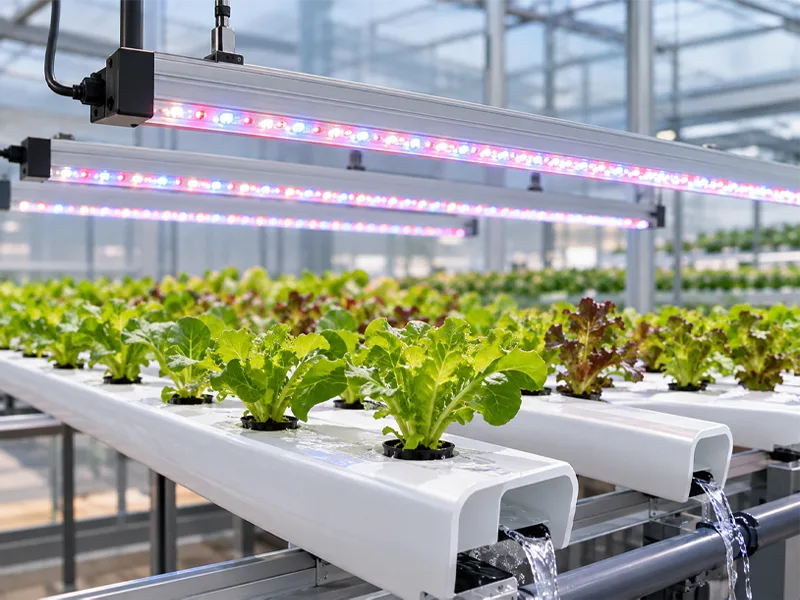
Board-style fixtures can be excellent for smaller footprints and simpler setups, especially when the canopy area is limited. Bar-style fixtures often excel in larger footprints because they spread light more evenly and reduce center hot spots. Many growers prefer bars for 4×4 and larger canopies because uniformity improves consistency and simplifies training.
The best choice depends on your space constraints and whether you can hang the light high enough for good spread. If your room has limited vertical clearance, a design optimized for uniformity at lower heights can make a big difference.
Do I need extra CO₂ with high-performance LEDs?
You don’t “need” CO₂ for good results, but higher PPFD increases photosynthetic potential, and CO₂ can become the next limiting factor. Many growers focus first on stable temperature, humidity, and nutrition, because those fundamentals deliver big gains without added complexity. Once your environment is stable, CO₂ can be a meaningful performance tool at higher intensities.
The main point is balance. More light pushes the whole system, so your environment needs to keep up.
Choose “Best” by Fit, Not by Hype
The best full spectrum LED grow lights are the ones that fit your canopy size, deliver uniform PPFD, provide practical control, and stay reliable cycle after cycle. When you choose based on footprint, intensity targets, and build quality, you avoid the most common mistakes and you get results faster. Full spectrum LEDs are powerful tools, and with the right setup, they make indoor growing more predictable and more rewarding.
If you want help matching a full spectrum fixture to your indoor space, SLTMAKS can recommend an option based on your canopy size and goals. Explore our solutions here: https://www.sltmaks.com/