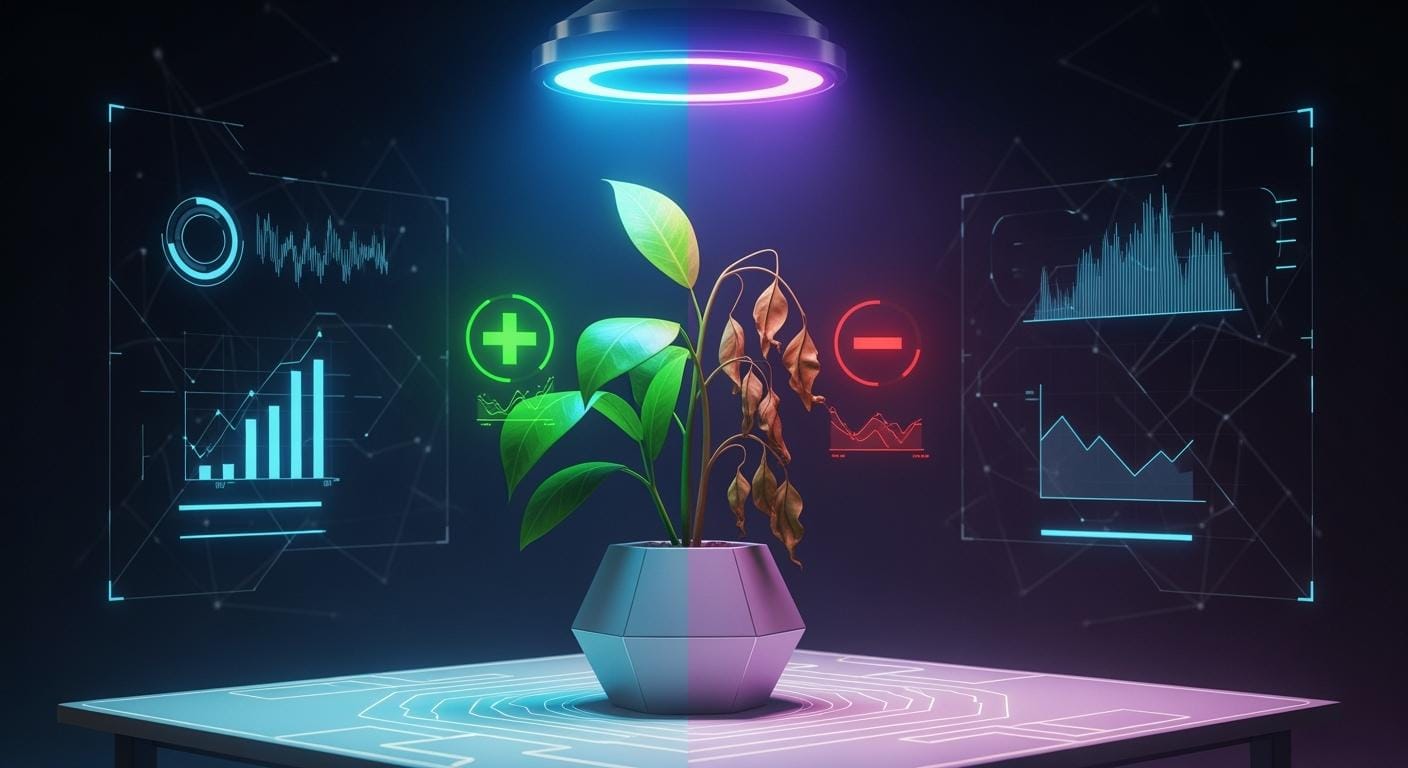
You’re probably wondering if a uv light lamp for plants will boost your indoor plants or cause problems. The answer isn’t one-size-fits-all. UVA and UVB can actually help your plants grow stronger, look better, and resist stress, while UVC can damage them. If you pick the right lamp and match it to your plant’s needs, uv lights for indoor plants can make a big difference. SLTMAKS gives you options that support healthy growth, but you still need to pay attention to your setup and plant type.
Table of Contents
Key Takeaways
UV light can help plants grow by boosting photosynthesis. This makes plants healthier and stronger. Using UV light lets plants take in more nutrients. This gives fruits and vegetables better taste and more nutrition. UV-B light can stop fungus from growing. It can also keep away pests. This makes your indoor garden healthier and easier to care for. You must put UV lights in the right place and use them at the right time. Start with short times and slowly use more. This helps stop plant stress. Safety matters a lot. Keep yourself and pets away from direct UV light. This keeps skin and eyes safe from harm. Pick LED grow lights that save energy and have UV features. These lights last long and cost less to use. Watch your plants for stress, like yellow leaves. Change the light if you see problems. SLTMAKS LED grow lights are a good choice. They give all the light plants need. Your plants will do well even if there is not much natural light.
Benefits of UV Light Lamps for Plants
Enhanced Growth and Health
Stimulates Photosynthesis
You want your indoor plants to do well. A uv light lamp for plants helps them grow by starting photosynthesis. UV-A and UV-B light give plants energy. This energy helps them make food and get stronger. Studies show that using UV light the right way makes roots bigger. Plants also get more branches and bigger harvests. Your plants will look brighter and healthier.
Here’s a quick look at how different types of ultraviolet light affect photosynthesis and plant growth:
| Type of UV Light | Wavelength (nm) | Role in Plant Growth |
|---|---|---|
| UV-A | 315-400 | Promotes photosynthesis and enhances pigments |
| UV-B | 280-315 | Stimulates protective compounds and improves flavor/nutritional value |
| UV-C | 100-280 | Harmful, used for sterilization, can damage plant tissues if overexposed |
SLTMAKS led grow lights use smart technology. They give your plants the right kind of light. This helps your plants grow faster and better. Even if you do not have much sunlight, your plants can still do well.
Improves Nutrient Absorption
Ultraviolet light does more than help with photosynthesis. It also helps plants take in more nutrients. When you use grow lights with UV, plants get more minerals and vitamins from the soil. This makes stems stronger and leaves greener. Plants become healthier overall. UV-B light helps plants make more antioxidants and good compounds. Your fruits and vegetables taste better and are healthier. You will get bigger and better harvests with less work.
- UV light helps plants become stronger and healthier, even in tough places.
- It makes plants better at using nutrients and fighting stress.
- UV light helps plants make special compounds that improve taste, smell, and nutrition.
Disease and Pest Resistance
Reduces Fungal Growth
No one likes plant diseases. Ultraviolet light can help stop them. Using a uv light lamp for plants lowers the chance of fungus. UV-B light helps plants build thicker walls and protective stuff. This makes it harder for fungus to hurt them. You will worry less about mold and enjoy your plants more.
Deters Pests
Pests can mess up your indoor garden. UV light helps plants protect themselves. With UV-B grow lights, plants make chemicals that bugs do not like. Research shows UV-B light can help plants grow more and stay safe from bugs. You get healthier plants and fewer pests with the right light.
- UV-B light makes plants less tasty to bugs and helps them grow more.
- UV-B is a good kind of stress that makes plants stronger.
- Plants make special compounds to fight bugs and sickness, and the environment can change how much they make.
Supplementing Natural Light Indoors
Supports Low-Light Spaces
Do you have a room with little or no sunlight? You can still grow plants indoors. UV light from led grow lights helps when sunlight is not enough. Your plants get the energy they need, even in dark rooms. SLTMAKS grow lights copy the sun’s light, so your plants do not miss out.
| Benefit | Description |
|---|---|
| Improved Plant Quality | Controlled UV exposure stimulates growth and development, leading to higher yields and superior quality. |
| Enhanced Secondary Metabolite Production | UVB exposure increases production of beneficial compounds like terpenes and antioxidants, enhancing flavor and nutritional value. |
| Strengthened Plant Defense Systems | UV light encourages thicker cell walls and protective compounds, improving resistance to pests and diseases. |
| Improved Nutrient Absorption | Enhances the ability to absorb essential nutrients, resulting in stronger and healthier plants. |
Extends Growing Seasons
You do not have to wait for summer to see your plants grow. Led grow lights let you grow plants all year. UV light keeps plants growing, even when it is cold or cloudy. SLTMAKS led grow lights save energy and help your plants. You can have fresh herbs, vegetables, and flowers anytime.
- UV light helps roots grow bigger and plants make more branches and fruit.
- UV light makes flowers better and helps plants fight stress and sickness.
- UV-A light helps plants use light better for photosynthesis.
Tip: If you want your indoor garden to do its best, try SLTMAKS led grow lights. They give full-spectrum light, save energy, stay cool, and are easy to use. Your plants will love them!
Downsides of UV Lights for Indoor Plants
You want your plants to thrive, but ultraviolet light can bring some challenges. Let’s look at the risks and how you can keep your indoor garden safe.
Risk of Plant Damage
Leaf Burn and Stress
If you use too much ultraviolet light, your plants can get stressed. You might see leaves turning yellow or brown. This is called leaf burn. Plants sometimes lose their shine and look tired. When ultraviolet light hits plants for too long, it can cause real problems.
Here’s a table showing common types of plant damage from too much ultraviolet light:
| Type of Damage/Response | Description |
|---|---|
| Oxidative Stress | High doses of ultraviolet light can lead to oxidative stress in plants. |
| Inactivation of Photosynthetic Activities | Too much ultraviolet light can slow down photosynthesis. |
| DNA Damage | High levels of ultraviolet light can harm the plant’s DNA. |
| Morphological Changes | Plants may grow thicker leaves, shorter stems, and more branches as a response. |
You might notice leaf burn and stunted growth if you use ultraviolet light lamps for long periods. Here’s what studies found:
| Effect | Description |
|---|---|
| Leaf Burn | Plants exposed to ultraviolet light can show yellow patches and lose their green color. |
| Stunted Growth | Ultraviolet light can slow down stem and leaf growth. |
| Photosynthesis Reduction | Plants may make less food, leading to weaker growth. |
Stunted Growth from Overexposure
Too much ultraviolet light can stunt your plants. You may see smaller leaves and shorter stems. Plants sometimes stop growing as fast. If you notice these signs, you should adjust your lighting setup. SLTMAKS grow lights use advanced technology to balance light levels, helping you avoid these problems.
Safety for People and Pets
UV Exposure Risks
Ultraviolet light can affect you and your pets. Direct exposure can cause skin irritation, burns, and eye problems. Some lamps make ozone, which can bother your lungs. Kids, older adults, and pets are more sensitive.
Here are some safety tips experts recommend:
- Avoid direct exposure to ultraviolet light. Keep lamps out of reach.
- Use timers or sensors so lamps only run when no one is in the room.
- Post warnings near lamps to remind everyone about the risks.
- Remove pets before turning on ultraviolet light lamps.
- Wait 15 to 30 minutes after turning off the lamp before letting pets back in.
Eye and Skin Safety
You should protect your eyes and skin when working near ultraviolet light. Wear goggles and long sleeves. Stay at least three feet away from the lamps. Limit your time near the lights. Pets can get skin burns and eye damage even faster than people. Short-haired pets, birds, and reptiles need extra care.
- Skin irritation and burns can happen after short exposure.
- Eye damage may cause tearing and long-term problems like cataracts.
- Ozone from some lamps can irritate your lungs.
Cost and Maintenance
Initial Investment
Ultraviolet light lamps can cost more than regular lights. You might pay up to $30 a month for some grow lights, depending on how much you use them. LED shop lights usually cost less, around $3 a month. Ultraviolet light lamps use less energy and make less heat, but the upfront cost is higher.
| Light Type | Average Monthly Cost | Notes |
|---|---|---|
| LED Shop Lights | ~$3 | Good for saving money and energy. |
| Other Grow Lights | Up to $30 or more | Costs depend on wattage and usage. |
Lamp Lifespan and Upkeep
You want lights that last a long time. LED grow lights, like those from SLTMAKS, can last over 50,000 hours. They need less maintenance and fewer replacements. Traditional ultraviolet light lamps usually last 10,000 to 20,000 hours and need more care.
| Light Type | Lifespan (Hours) | Maintenance Requirements |
|---|---|---|
| LED Grow Lights | 50,000 – 100,000 | Low, infrequent replacements |
| Traditional Lights | 10,000 – 20,000 | High, frequent replacements needed |
Tip: Choose LED grow lights with safety features and long lifespans. You’ll save money and keep your plants, family, and pets safe.
SLTMAKS grow lights use advanced cooling and safety systems. You get reliable performance and less worry about maintenance or safety.
Choosing the Right Grow Lights for Indoor Plants
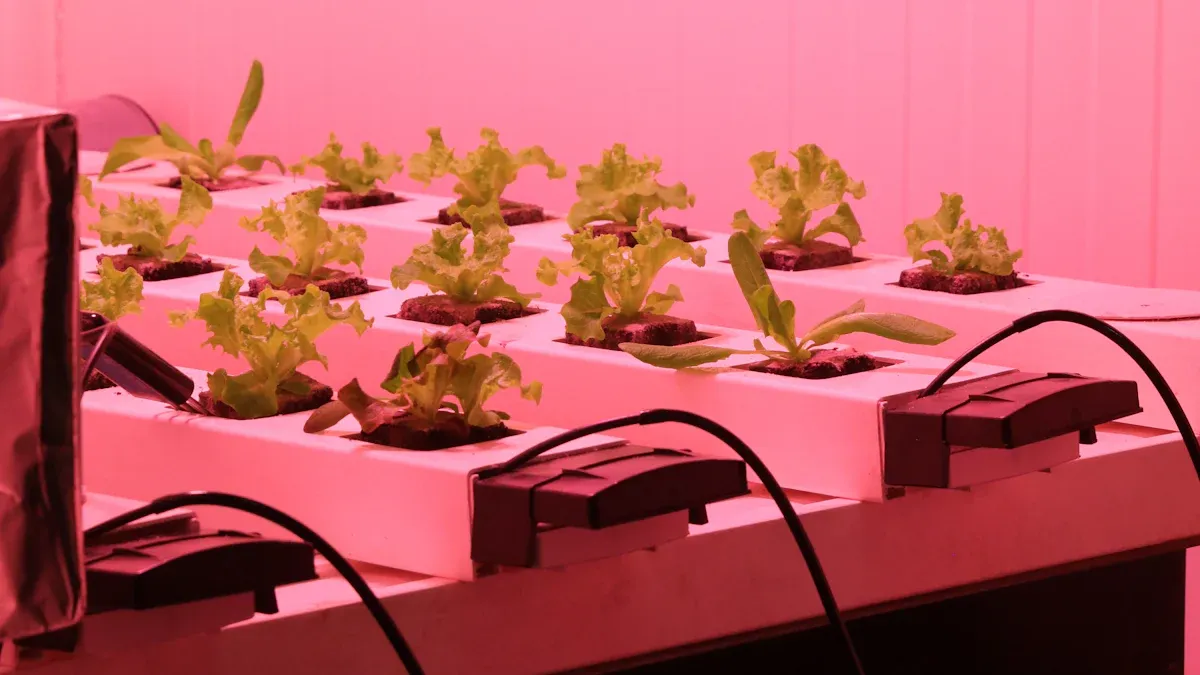
You want your indoor garden to thrive, so picking the right grow lights matters. Let’s break down your options and see how you can get the best results for your plants.
Types of Grow Lights
UV, LED, and Full Spectrum
Grow lights come in many types. You might see ultraviolet light lamps, basic led grow lights, and full-spectrum models. Each type has its own strengths. Ultraviolet light can boost flower and fruit production, but you need to use it carefully. LED grow lights use less energy and produce less heat. Full-spectrum grow lights give your plants a range of wavelengths and benefit every stage of growth.
Here’s a quick table to help you compare:
| Aspect | Normal LEDs | Full-Spectrum LEDs |
|---|---|---|
| Spectral Distributing | Specific wavelengths | Full quality spectrum, UV to IR |
| Energy Efficiency | Efficient, may need extras | High efficiency, lower costs |
| Growth Stages | Basic support | All stages, better results |
SLTMAKS STG-1000W-D Series Overview
If you want a top choice, check out the SLTMAKS STG-1000W-D Series 10Bar LED Grow Light. This model uses Samsung full spectrum white light, 660nm red, 395nm ultraviolet light, and 730nm IR. You get high power for hemp and cannabis, energy savings, instant start, and no flickering. The SOSEN UL/CUL driver gives you wide voltage options. The heat sink keeps things cool. You can install it easily and see bigger harvests.
| Feature | Description |
|---|---|
| Light Configuration | Samsung full spectrum + red + ultraviolet light + IR |
| Power Output | High, for hemp and cannabis |
| Energy Efficiency | Saves energy, long life |
| Driver | SOSEN UL/CUL |
| Input Voltage | AC100-277V, dimmable |
| Heat Dissipation | Best heat sink |
| Installation | Easy setup |
| Output Increase | Boosts hemp yield |
Best Practices for Use
Placement and Duration
You want your grow lights to work well. Place led grow lights 12-18 inches above your plants. Start with 2 hours of ultraviolet light split into two sessions. Increase by 15 minutes every two days if your plants look healthy. Most plants do best with 8-10 hours of light each day. Use a timer to keep a steady schedule.
Tip: Watch your plants for signs of stress. Adjust the light if you see yellow leaves or slow growth.
Monitoring Plant Response
You need to check how your plants react to grow lights. Use spectrometers to measure the light spectrum. Dynamic lighting control lets you change intensity and duration. Some systems even monitor temperature, humidity, and CO2. These tools help you keep your plants healthy and growing strong.
| Method | Description |
|---|---|
| UV Light Systems | Programmable UV/IR control for plant needs |
| Spectrometers | Measure UVA spectrum for best results |
| Dynamic Lighting Control | Adjusts light for growth stages |
Alternatives to UV Lamps
LED and Full Spectrum Options
Led grow lights and full-spectrum models offer great results. They use less energy, last longer, and cover more area. You can adjust the spectrum to fit your plants. These grow lights are safer and easier to use than ultraviolet light lamps.
| Aspect | UV Grow Lights | LED Grow Lights |
|---|---|---|
| Light Spectrum | Mainly ultraviolet | Visible, sometimes UV/IR |
| Energy Efficiency | Lower | Higher |
| Heat Output | More | Less |
| Lifespan | Shorter | Longer |
| Cost | Higher | Lower |
| Coverage | Limited | Broad |
| Flexibility | Less | More |
| Safety | Needs care | Safer |
| Plant Growth | Boosts flowers/fruits | Supports all stages |
Maximizing Natural Light
Natural sunlight is always best if you have it. Most plants need at least 3 to 4 hours of sun each day. Many vegetables want up to 12 hours. If your space gets good sunlight, use it. If not, grow lights help you control the environment and keep your plants happy.
Note: More light means better growth. Use natural light when you can, but grow lights fill the gap in dark rooms.
You can create a thriving indoor garden with the right grow lights, smart placement, and careful monitoring. SLTMAKS led grow lights give you the power to grow strong plants anywhere.
Are UV Light Lamps a Good Investment?
Weighing Pros and Cons
You want to make sure your money goes to the right place. When you look at a uv light lamp for plants, you need to think about what you get and what you risk. UV lamps can help your plants grow bigger roots, more branches, and heavier harvests. They also boost resins and oils, which means your plants look and taste better. You get stronger plants that fight off stress and disease. UV light even destroys harmful microorganisms and speeds up seed germination.
Take a look at this table to see what matters most:
| Factor | Description |
|---|---|
| Benefits of UV Light | Increases resins and oils, promotes bigger roots and harvests, boosts plant defense, destroys harmful microorganisms, speeds up germination. |
| Safety Considerations | UV light can harm humans; you need to use protection. Proper use keeps your plants safe. |
| Optimal Usage | You only need a little UV light—about 1 watt per square foot works for most indoor gardens. |
You need to balance these benefits with safety and cost. If you use UV lamps the right way, you get healthy plants and better yields.
When to Use UV Lights
Not every plant needs a uv light lamp for plants. Some plants love extra UV, especially if you want more flavor, color, or nutrition. UVB exposure helps your plants make more terpenes, flavonoids, and antioxidants. These compounds improve taste and health. UV light also helps plants build thicker cell walls and protective compounds, so pests stay away. You see stronger stems and greener leaves.
Here’s a table showing when UV lamps work best:
| Benefit | Description |
|---|---|
| Enhanced Secondary Metabolite Production | UVB increases terpenes, flavonoids, and antioxidants, making plants tastier and healthier. |
| Strengthened Plant Defense Systems | UV light helps plants resist pests by building thicker walls and protective compounds. |
| Improved Nutrient Absorption | UV light boosts nutrient uptake, especially phosphorus, for healthier growth. |
If you grow hemp, cannabis, or fruiting plants indoors, UV lamps can make a big difference. You get better yields and stronger plants. If you grow leafy greens or herbs, you might not need as much UV.
Tip: Always watch your plants. If you see signs of stress, adjust your lighting setup.
SLTMAKS Value and Warranty
You want peace of mind when you buy grow lights. SLTMAKS gives you that. The brand stands out for its focus on sustainability and customer happiness. You get advanced LED grow lights that save energy and last longer. SLTMAKS offers a 3-year warranty, so you know your investment is protected. Customers rate SLTMAKS highly, with many giving perfect scores for reliability and results.
| Customer Satisfaction Rating | Warranty Terms |
|---|---|
| 5.0 (149 reviews) | 3-Year |
SLTMAKS delivers fast shipping through local distributors in Europe and North America. You get eco-friendly products that help your plants thrive, even in spaces with no sunlight. The company uses top-quality Samsung diodes and patented safety features. You can trust SLTMAKS to bring greenery to places the sun never saw.
Note: If you want strong, healthy plants and a worry-free experience, SLTMAKS LED grow lights are a smart investment.
You’ve seen that UV light lamps can help your plants grow stronger, fight off pests, and boost flavor. Too much UV, especially UV-C, can hurt your plants. Experts say you should match the light to your plant type and growth stage. Here’s what you can do:
- Check what your plants need.
- Measure your space.
- Pick energy-efficient LED lights.
- Place lights above your plants and adjust the distance.
SLTMAKS LED grow lights give you safe, reliable, and sustainable results for any indoor garden.
| UV Type | Good For Plants? | What To Watch For |
|---|---|---|
| UV-A | Yes | Enhances growth |
| UV-B | Yes (small dose) | Boosts defense |
| UV-C | No | Can damage plants |
Want healthy plants year-round? Try SLTMAKS and bring greenery to places the sun never saw! 🌱
FAQ
Can UV light lamps replace sunlight for indoor plants?
You can use UV light lamps to help your plants grow when sunlight is not enough. These lamps give your plants energy, but natural sunlight works best if you have it.
How long should I run my UV grow lights each day?
Most indoor plants do well with 8 to 10 hours of light daily. You can use a timer to keep a steady schedule and avoid overexposure.
Are UV light lamps safe for pets and kids?
You should keep UV lamps out of reach. Direct exposure can hurt eyes and skin. Always turn off the lamps before letting pets or kids into the room.
What types of plants benefit most from UV light?
Plants like hemp, cannabis, and fruiting vegetables love extra UV light. You see better yields, stronger stems, and richer flavors with these types.
Do LED grow lights from SLTMAKS include UV light?
Yes! SLTMAKS LED grow lights offer full-spectrum light, including UV, red, and IR. Your plants get the right mix for healthy growth and bigger harvests.
How do I know if my plant gets too much UV light?
You might see yellow or brown spots, slow growth, or tired-looking leaves. If you notice these signs, move the lamp farther away or reduce the time.
Can I use UV light lamps in any room?
You can use UV light lamps in basements, windowless rooms, or any space with little sunlight. SLTMAKS grow lights work well in all indoor environments.
What makes SLTMAKS LED grow lights different?
SLTMAKS uses advanced Samsung diodes and smart cooling systems. You get energy savings, long life, and a 3-year warranty. Your plants thrive, and you save money.