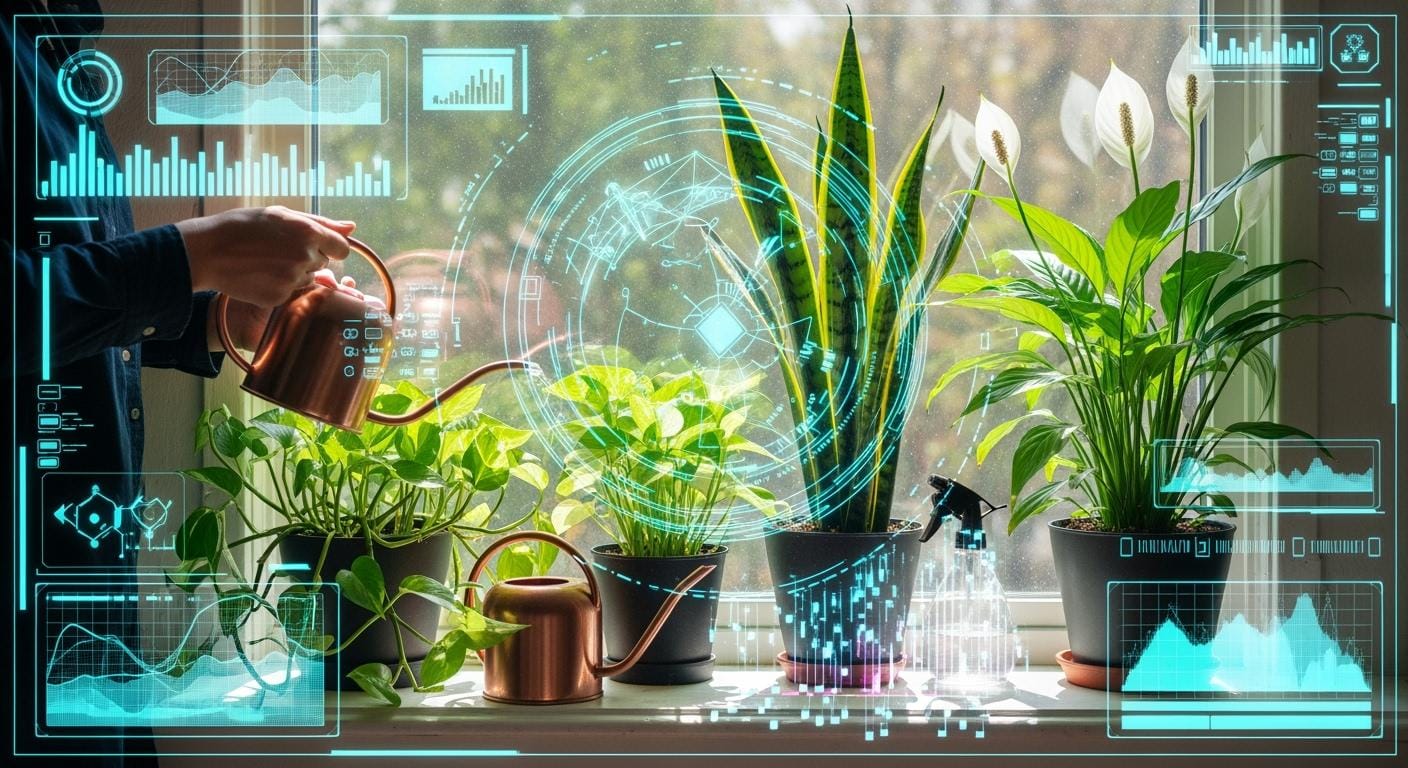
Growing a healthy plant indoors can be simple and fun. You join about 85% of households in the U.S. that enjoy at least one houseplant at home. Many plants do well in low-light areas when you give them the right care. Scientists have shown that picking the right soil and using a full spectrum led grow light can help your plants thrive, even far from a sunny window. With a LED grow light from SLTMAKS, growing plants indoors becomes easy and rewarding.
Table of Contents
Key Takeaways
- Choose indoor plants based on the light and space in your home. Match plants to their light needs for better growth.
- Select low-maintenance plants like Snake Plants and ZZ Plants if you have a busy schedule. They require less care and water.
- Use SLTMAKS LED Grow Lights to provide the right light for your plants, especially in low-light areas. This helps them thrive.
- Water your plants only when the top inch of soil feels dry. Overwatering can harm your plants more than underwatering.
- Check humidity levels for your plants. Use a humidifier or mist them to keep the humidity between 30% and 60% for optimal growth.
- Repot your plants when you see roots coming out of the pot or if the soil dries out too quickly. Fresh soil helps them grow.
- Regularly check your plants for signs of stress, like yellow leaves or drooping. Early detection helps you fix problems quickly.
- Keep your indoor plants clean by wiping dust off their leaves. Clean leaves absorb more light and stay healthier.
Choosing Indoor Plants for Your Space
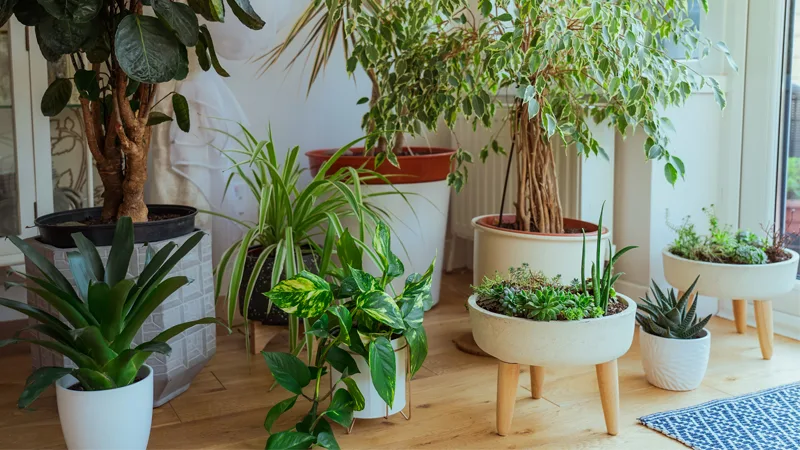
Picking the right indoor plants for your home makes a big difference. You want your plants to fit your space, your light, and your lifestyle. Let’s break down how you can choose the best ones for you.
Assessing Light and Environment
Matching Plant to Room
Start by looking at how much natural light each room gets. Some indoor plants love bright sunlight, while others do better in shade. Here’s a quick guide to help you match your plant to your room:
| Light Requirement Group | Description |
|---|---|
| Low Light | Great for north-facing windows or spots away from windows. These indoor plants can survive in shade but grow better with a bit more light. |
| Medium/Bright Indirect | Perfect for east-facing windows or rooms with filtered sunlight. Place these indoor plants a few feet from a sunny window. |
| Bright/High Light | Best for south or southwest-facing windows with lots of direct sun. These indoor plants need the most light. |
You also want to think about temperature and humidity. Indoor plants help keep your home cooler and more comfortable. Some, like Ficus and Epipremnum, even add moisture to the air, which feels great in dry seasons.
Best Low-Maintenance Choices
If you want indoor plants that are easy to care for, you have lots of options. Some plants need very little attention and still look great. Here are a few favorites:
- Pothos (Devil’s Ivy): Grows fast and handles many light levels.
- Spider Plant: Makes baby plants and likes medium to bright light.
- Snake Plant: Survives in almost any light and needs little water.
- ZZ Plant: Shiny leaves, grows in low light, and needs little care.
- Cast Iron Plant: Tough and perfect for low-light spots.
- Rubber Plant: Easy to grow and has big, dark leaves.
- Baby Rubber Plant: Glossy leaves and simple care.
- Haworthia (Zebra Plant): Small, needs little water, and loves bright spots.
Lifestyle and Care Needs
Plants for Busy Schedules
You might not have much time for plant care. That’s okay! Some indoor plants almost take care of themselves. Snake Plant, ZZ Plant, and Cast Iron Plant all need little water and can go weeks without attention. Pothos and Spider Plant also forgive you if you forget to water them sometimes.
Tip: Set a reminder on your phone to check your indoor plants once a week. This helps you spot any problems early.
Pet-Friendly Options
If you have pets, you want to keep them safe. Some indoor plants can upset your dog or cat’s stomach if they chew on them. For example, Aloe Vera, Philodendron, Pothos, Dieffenbachia, Snake Plant, and ZZ Plant can cause mild to serious tummy troubles for pets. Always check if a plant is safe before you bring it home. Books like “The Comprehensive Guide to Toxic Plants” and “Pet Safety at Home” give great advice on which indoor plants work best for pet owners.
Choosing the right indoor plants for your space means thinking about light, care needs, and your family—including pets. With the right choices, you can enjoy a green, healthy home with very little stress.
Lighting for Indoor Plants
Light is the most important factor for healthy indoor plants. Without enough light, your plants cannot make food or grow strong. You might notice slow growth, pale leaves, or even droopy stems if your plants do not get what they need. Let’s look at how you can meet your plants’ light requirements and help them thrive in any space.
Natural vs. Artificial Light
Understanding Light Levels
Plants use light to make energy. Natural sunlight is very powerful, reaching up to 10,000 footcandles on a bright day. Most homes do not get this much bright light indoors. Some rooms have only a little sunlight, especially in winter or in windowless spaces. Plants usually need no more than 16 hours of light each day. You can use a mix of sunlight and artificial light to meet this need.
- Natural light gives the best quality for plant growth.
- Artificial light can fill in the gaps, especially in dark corners or during cloudy days.
- Some plants need bright light all day, while others do well with less.
Signs of Light Issues
You can spot light problems by watching your plants. Here are some signs:
- Leaves turn yellow or pale.
- Stems grow long and thin, reaching for light.
- Growth slows down or stops.
- Leaves drop off or look weak.
If you see these signs, your plant may need more bright light. Try moving it closer to a window or adding a grow light.
Using SLTMAKS LED Grow Lights

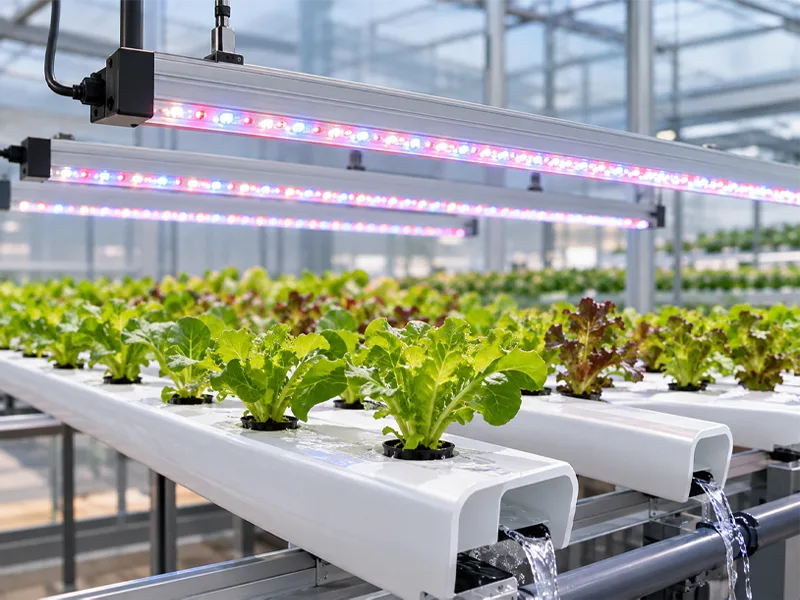
SLTMAKS LED Grow Lights make indoor gardening easy, even in rooms with no sunlight. These lights copy the sun’s spectrum, giving your plants the bright light they crave. The STG-800W-F Series is a top choice for anyone who wants strong, healthy plants all year.
Benefits of STG-800W-F Series
Check out what makes the STG-800W-F Series special:
| Feature | Description |
|---|---|
| Pro-Grade Full Spectrum | Uses Samsung diodes to give sun-like light, boosting yield and quality while saving energy |
| Advanced Cooling & Durability | Has a solid aluminum heat sink for quiet running and a long life |
| Certified Safe & Patented Tech | Holds ETL and CE certifications for safety and top performance |
- These lights use less power than many others, so you save on electricity.
- Lab tests show high PAR output and efficiency.
- Customers rate them above 4.5 out of 5, showing strong satisfaction.
Installation and Placement Tips
You can set up your SLTMAKS LED Grow Light in just a few steps:
- Hang the light above your plants, about 6 inches above the top leaves.
- Use the dimming feature to adjust the brightness for each plant.
- Run the light for 12 to 16 hours each day, depending on your plant’s needs.
- Make sure the light covers all your plants for even growth.
Tip: Rotate your plants every week so each side gets the same amount of bright light.
With the right light, you can grow lush, green plants anywhere. SLTMAKS helps you bring bright light to places the sun never saw, making indoor gardening simple and fun.
Watering Indoor Plants
You want your indoor plants to grow strong and healthy. The way you water them matters just as much as the amount of light they get. Let’s break down how you can master watering and keep your plants happy.
How Much and How Often
Every plant needs a different amount of water. Some like their soil moist, while others prefer it dry. You can use this table to check how often you should water some popular indoor plants:
| Plant Species | Watering Frequency (Summer) | Watering Frequency (Winter) |
|---|---|---|
| Ficus benjamina | More frequent than Snake Plant | N/A |
| Snake Plant | Once a month | Once every 2 months |
| Peace Lily | Regularly, if dry | N/A |
| Pink Aglaonema | Every 7-9 days | Every 14 days |
You might notice that Snake Plant needs very little water, while Peace Lily likes regular water when the soil feels dry. Always check the soil before you add water.
Checking Soil Moisture
Stick your finger into the soil about an inch deep. If the soil feels dry, your plant needs water. If it feels damp, wait a few days. You can also use a moisture meter for a quick check. Plants like Pink Aglaonema and Peace Lily show droopy leaves when they need water.
Avoiding Overwatering
Giving your plants too much water can hurt them. Horticultural research shows that overwatering causes several problems:
- Roots lose oxygen when water fills the soil pores.
- Fungi grow in wet soil, leading to root rot.
- Waterlogged soil washes away nutrients, causing deficiencies.
- Damaged roots cannot absorb water or nutrients, so growth slows down.
You want to let the soil dry out between waterings. Most indoor plants prefer less water rather than too much.
Watering Methods
You can choose different ways to give your plants water. Each method has its own pros and cons.
| Watering Method | Advantages | Disadvantages |
|---|---|---|
| Tap Water | Easy to use; readily available; suitable for most plants. | May contain chemicals; potential mineral buildup in soil. |
| Distilled Water | Pure water without impurities; ideal for sensitive plants. | Expensive; requires trips to the store; generates plastic waste. |
| Rainwater | Natural and sustainable; beneficial for plants. | Not reliable in drought; requires collection effort. |
| Tank Water | Nutrient-rich; promotes plant health. | Risk of nutrient buildup; only suitable for healthy tanks. |
Bottom vs. Top Watering
You can water your plants from the top or the bottom. Bottom watering keeps peat-based mixes loose and airy. It helps prevent soil compression. You fill a tray with water and let the pot soak for about 10-15 minutes. Don’t leave the pot in water too long, or you risk overwatering. Top watering is quick and lets you flush out salts, but it can compact the soil if you pour water too fast.
- Bottom watering helps keep the soil aerated.
- It prevents overwatering if you watch the time.
- Both methods give similar water distribution, so choose what works best for you.
Best Water Temperature
Plants like water that feels room temperature. Cold water can shock the roots, and hot water can damage them. Fill your watering can and let it sit for a few hours before you use it. This helps the water reach the right temperature.
Tip: Use a clean watering can and fresh water every time. This keeps your plants healthy and prevents disease.
You can master watering by checking soil moisture, choosing the right method, and using water at the right temperature. Your plants will thank you with lush leaves and steady growth.
Soil and Drainage for Growing Plants Indoors
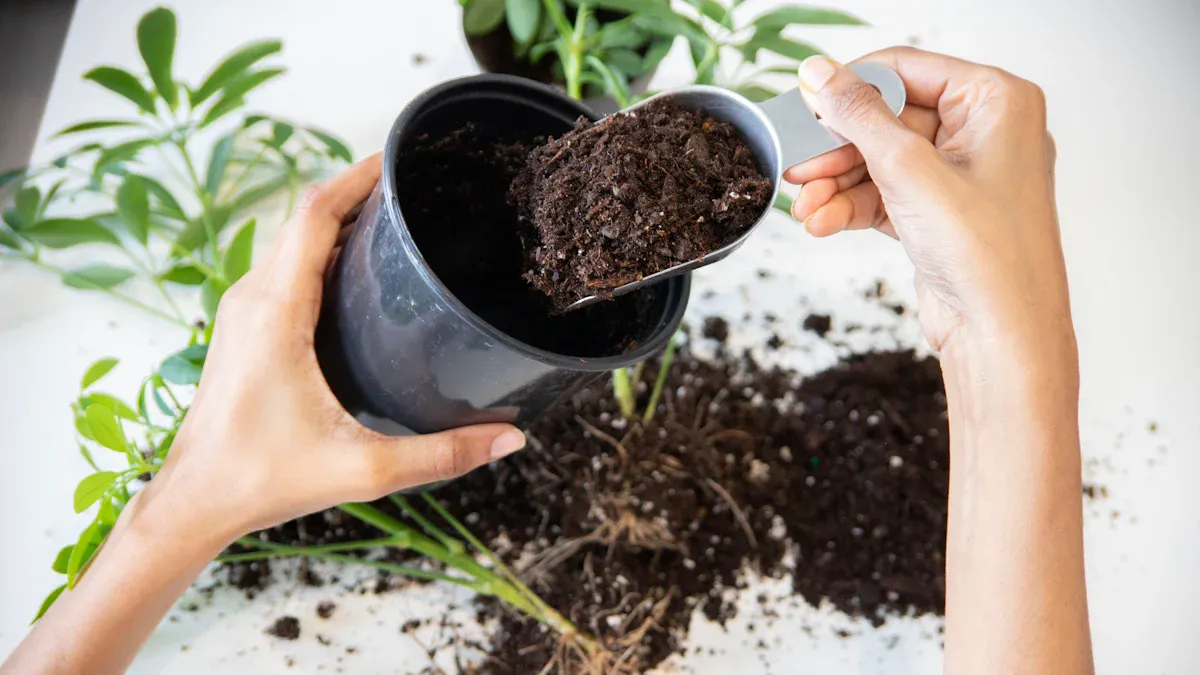
Getting your soil and drainage right makes a huge difference for your indoor plants. When you pick the right soil and set up good drainage, your plants grow stronger, avoid root rot, and look their best.
Choosing Potting Mix
You want to start with a high-quality potting mix. The best soil for indoor plants supports the plant, holds nutrients, lets water and air move through, and keeps moisture without getting soggy. Good soil also stays free from pests and diseases, so your plants stay healthy.
Soil Types for Different Plants
Not all soil works for every plant. You need to match the soil to your plant’s needs. Here’s a quick table to help you choose:
| Type of Plant | Recommended Soil Mix |
|---|---|
| Flowering House Plants | 1 part garden loam or potting soil, 1 part sand or perlite or vermiculite, 1 part peat moss |
| Foliage Plants | 1 part garden loam or potting soil, 1 part sand or 2 parts peat moss |
| Bromeliads | 2 parts peat moss, 1 part perlite, 1 part fir bark |
You can find many soil mixes at the store, but you can also mix your own. Most mixes use organic materials like peat moss, composted bark, or coconut coir. These help the soil hold water and nutrients. Inorganic parts like perlite or vermiculite keep the soil loose and help with drainage. Some soil mixes add slow-release fertilizers or organic amendments, so your plants get a steady supply of food.
- Peat moss or coconut coir: Holds water and keeps soil airy.
- Perlite or vermiculite: Improves drainage and helps roots breathe.
- Composted organic matter: Feeds your plants and supports good microbes.
When to Repot
You should check your plant’s soil every few months. If you see roots poking out of the pot or the soil dries out too fast, it’s time to repot. Pick a pot that’s one size bigger and fill it with fresh soil. Repotting gives your plant more room and new soil to grow in.
Tip: Always use clean pots and fresh soil when you repot. This keeps pests and diseases away.
Ensuring Good Drainage
Good drainage keeps your plant’s roots healthy. If water sits in the soil too long, roots can rot, and your plant may die.
Pots with Drainage Holes
Always use pots with drainage holes. These holes let extra water escape, so the soil doesn’t get waterlogged. If your pot doesn’t have holes, you can drill some or use a different pot. Avoid putting gravel at the bottom of the pot. Gravel doesn’t help with drainage and can trap water in the soil.
Using Pebble Trays
Pebble trays help you boost humidity for your plants. Fill a tray with pebbles and water, then set your pot on top. The water evaporates and raises humidity, but the pot sits above the water, so the soil stays dry at the bottom. This keeps roots safe from rot.
- Drainage holes stop water from building up in the soil.
- Pebble trays add humidity without soaking the soil.
You can keep your indoor plants happy by picking the right soil, checking when to repot, and making sure your pots drain well. Healthy soil and good drainage mean healthy, thriving plants!
Feeding and Fertilizing Indoor Plants
You want your indoor plants to be strong and healthy. Indoor plants need you to give them nutrients. Outdoor plants get nutrients from the soil outside. Indoor plants only get what you provide. Let’s learn how to fertilize your plants and keep them happy.
Fertilizer Basics
Plants need many nutrients to grow well. Fertilizer gives these nutrients to your plants. Here are the most important ones:
- Carbon, hydrogen, and oxygen help plants build up.
- Nitrogen, phosphorus, and potassium are key nutrients. Nitrogen helps leaves grow. Phosphorus helps flowers bloom. Potassium makes stems strong.
- Calcium, magnesium, and sulfur are also needed. Fertilizer gives these nutrients.
- Iron, zinc, molybdenum, boron, copper, manganese, and chlorine are micronutrients. Fertilizer gives these in small amounts.
When to Feed
You should fertilize more often in spring and summer. Plants grow faster during these months. Fertilize every two to three months or use diluted fertilizer each time you water. In winter, plants rest. You do not need to fertilize them.
Tip: Watch your plant’s growth. If you see new leaves or flowers, it’s time to fertilize.
Signs of Overfeeding
You can give too much fertilizer. Look for these signs:
- Leaves turn brown or yellow.
- Roots look burned or weak.
- Growth slows down.
- White crust forms on the soil.
If you see these problems, stop fertilizing and flush the soil with water. Fertilize just enough to help your plant, not hurt it.
Choosing Fertilizer
You have different ways to fertilize indoor plants. You can use liquid fertilizer, slow-release fertilizer, or organic fertilizer. Each type works differently.
Liquid vs. Slow-Release
Here’s a table to help you choose:
| Fertilizer Type | Characteristics | Best For |
|---|---|---|
| Slow-release | Releases nutrients slowly over weeks or months; good for long-term feeding. | Lawns, garden beds, perennials. |
| Liquid | Gives nutrients fast; good for fixing problems and quick growth. | Vegetables, flowering annuals, container plants. |
Use liquid fertilizer for quick results. Use slow-release fertilizer for steady feeding. Both types help, but you pick what your plant needs.
Organic Options
You can use organic or synthetic fertilizer. Organic fertilizer releases nutrients slowly and helps the soil. Synthetic fertilizer gives nutrients fast and helps plants grow quickly. Use organic fertilizer if you want a greener choice. Use synthetic fertilizer if you want fast results.
- Organic fertilizer is better for the environment.
- Synthetic fertilizer can burn plants if you use too much.
Note: Always read the label before you fertilize. Use the right amount for your plant.
You can fertilize your indoor plants and help them grow. Pick the way that fits your plant and your style. When you fertilize the right way, your plants will have healthy leaves and bright flowers.
Humidity and Temperature for Indoor Plants
Keeping your indoor plants happy means paying attention to both humidity and temperature. When you get these two things right, your plants will reward you with lush leaves and steady growth. Let’s look at some easy ways to create the perfect environment.
Managing Humidity
Most indoor plants come from places with steady moisture in the air. If your home feels dry, your plants might struggle. You can help them by raising the humidity around them.
Easy Ways to Increase Humidity
You have several simple tricks to boost humidity for your plants:
- Get a humidifier. This tool adds moisture to the air, especially helpful in winter when heaters dry things out.
- Mist your plants. Spray water on the leaves every few days to give them a quick moisture boost.
- Make some pebble trays. Fill a tray with pebbles and water, then set your plant pot on top. As the water evaporates, it raises the humidity right around your plant.
- Give your plants a bath or shower. Place them in the bathroom while you shower, or rinse them off gently. The steam and water help increase humidity.
- Create a terrarium. This glass container traps moisture and keeps the air damp for plants that love extra humidity.
- Huddle your plants together. Grouping plants makes a small area with higher humidity, since each plant releases moisture.
Tip: Most indoor plants thrive when humidity stays between 30% and 60%. If you see brown leaf tips or crispy edges, your air might be too dry.
Grouping Plants
When you group your plants, you create a mini jungle. Each plant gives off moisture, so together they make the air around them more humid. Place your plants close, but leave enough space for good ventilation. This helps prevent mold and keeps your plants healthy.
Temperature Tips
Plants need the right warmth to grow well. If your home gets too hot or too cold, your plants might slow down or show signs of stress.
Avoiding Drafts
Keep your plants away from cold drafts and sudden temperature changes. Don’t put them near doors that open often or windows that let in chilly air. Warmth helps your plants stay strong, but too much heat from a heater can dry them out. Make sure your plants get steady warmth and good ventilation for the best results.
Seasonal Adjustments
Most indoor plants like temperatures between 60°F and 80°F during the day. At night, a slight drop is fine, but don’t let it get too cold. Flowering plants such as African violets and Rex begonias do best with daytime warmth and cooler nights, but not below 55°F. If you notice leaves turning yellow or wilting, check the temperature. Big swings in warmth can stress your plants and slow their growth.
Note: Temperature affects how your plants use energy. Too much warmth can damage them, while too little slows them down. Keep your room in the comfort zone, and your plants will thank you.
You can create a cozy home for your plants by watching humidity, giving steady warmth, and making sure there’s enough ventilation. When you get these basics right, your indoor garden will look its best all year.
Ongoing Care and Troubleshooting
Keeping your indoor plants healthy means checking on them often and knowing how to fix problems fast. When you pay attention to your plants, you spot trouble early and keep them looking their best.
Regular Plant Checks
You want to make plant care a habit. Here’s a simple routine you can follow every week:
- Check the light in each spot to make sure your plants get what they need.
- Feed your plants during the growing season, but don’t overdo it.
- Repot in spring if you see roots poking out or the plant looks crowded.
- Raise humidity for tropical plants by misting or using a humidifier.
- Wipe dust off leaves so your plants can breathe and soak up light.
- Trim dead or yellow leaves to keep plants tidy and healthy.
- Move your plants as the seasons change to give them the best light.
- Watch for pests and treat them right away.
Tip: Set a reminder on your phone for a weekly plant check. This helps you catch problems before they get worse.
Spotting Problems Early
You can spot trouble by looking for these signs:
- Wilting leaves often mean watering issues.
- Browning or yellowing leaves show stress from watering, light, or nutrients.
- Leaf drop can happen if you change watering or light too much, or if pests show up.
- Stunted growth points to poor light, not enough food, or crowded roots.
- Sticky residue, webbing, or odd spots may mean pests.
When you notice these conditions, act quickly. Fixing small issues early keeps your plants strong.
Pruning and Cleaning
Pruning helps your plants grow better. Cut off dead or damaged leaves with clean scissors. This keeps your plant healthy and looking neat. Wipe leaves with a damp cloth to remove dust. Clean leaves can soak up more light and fight off pests. If you see crowded stems, trim them to let air move through the plant. Good airflow helps prevent mold and other bad conditions.
Common Issues
Even with good care, you might face some common problems. Knowing what to look for and how to fix it makes plant care less stressful.
Pests and Solutions
Here’s a quick guide to the most common pests and how to handle them:
| Issue | Description | Solution |
|---|---|---|
| Aphids | Tiny bugs on leaves cause stunted growth and twisted leaves. | Spray with water or use indoor insecticide. |
| Fungus Gnats | Small flies that feed on roots and old soil. | Use soap and water spray, sticky traps, or potato pieces in the soil. |
| Spider Mites | Hard to see, cause yellow leaves and webbing. | Wipe with dish soap or rubbing alcohol. |
| Whiteflies | Soft bugs that suck sap cause yellow leaves. | Treat with neem oil or insecticidal soap. |
| Thrips | Small bugs that suck plant juices cause twisted leaves. | Prune bad leaves and use insecticidal soap. |
| Powdery Mildew | White powder on leaves. | Remove bad leaves and spray with a baking soda solution. |
| Root Rot | Soft, black roots from too much water. | Let soil dry out, repot with fresh mix if needed. |
| Gray Mold | Brown spots that turn gray and fuzzy. | Lower humidity, boost airflow, use fungicide if needed. |
| Leaf Spots | Tiny spots that lead to leaf drop. | Remove bad leaves, improve airflow, and keep leaves dry. |
Note: Always check new plants for pests before bringing them home. This keeps your other plants safe.
Reviving Droopy Plants
Sometimes your plant looks sad or droopy. Don’t worry! You can bring it back with a few simple steps:
- Look for yellow, wilted leaves or brown spots to find the problem.
- Change your watering routine. Make sure you don’t give too much or too little water. Check that the pot drains well.
- If roots look mushy or black, repot your plant with fresh soil.
- Watch for pests and move the plant if it gets too much direct sun.
When you pay attention to these conditions, your plants bounce back fast. Regular care and quick action keep your indoor garden green and happy.
You can boost your houseplant growth right now. Start by checking the light in your indoor space. Move your houseplant closer to a window or add more light with a grow light. Try watering your houseplant only when the soil feels dry. Pick one easy change for your indoor garden. Watch your houseplant respond to better light and care. Growing plants indoors gets easier with each step.
If you use SLTMAKS LED Grow Lights, your houseplant will thrive even in low light. You can turn any indoor spot into a houseplant haven. Keep growing plants indoors and enjoy a healthy houseplant collection. Remember, every houseplant loves the right light. You can succeed at growing plants indoors with the right tools and a little patience. Your indoor houseplant journey starts with light and care. Keep growing plants indoors and watch your houseplant shine.
FAQ
How often should you water indoor plants?
You should check the soil before watering. Most indoor plants like water when the top inch feels dry. Some need water every week, while others, like snake plants, need it less often.
Can you grow plants in rooms with no sunlight?
Yes! You can use SLTMAKS LED Grow Lights to give your plants the light they need. These lights copy the sun’s spectrum, so your plants grow strong even in dark spaces.
What is the best soil for indoor plants?
Choose a high-quality potting mix. Look for soil that holds moisture but drains well. Mixes with peat moss, perlite, or coconut coir work great for most houseplants.
How do you know if your plant needs more light?
Watch for pale leaves, slow growth, or stems reaching toward windows. These signs mean your plant wants more light. Move it closer to a window or add a grow light.
Are SLTMAKS LED Grow Lights safe for pets?
Yes! SLTMAKS LED Grow Lights have safety certifications like ETL and CE. You can use them around pets without worry. Always keep cords and fixtures out of reach.
How do you boost humidity for indoor plants?
Try misting your plants, using pebble trays, or grouping them together. You can also use a humidifier. These tricks help your plants stay healthy in dry air.
When should you repot your indoor plant?
Repot when you see roots poking out of the pot or the soil dries out too fast. Spring is the best time to give your plant fresh soil and more room.
What is the best temperature for indoor plants?
Most indoor plants like temperatures between 60°F and 80°F during the day. Keep them away from cold drafts and heaters. Steady warmth helps your plants grow better.